

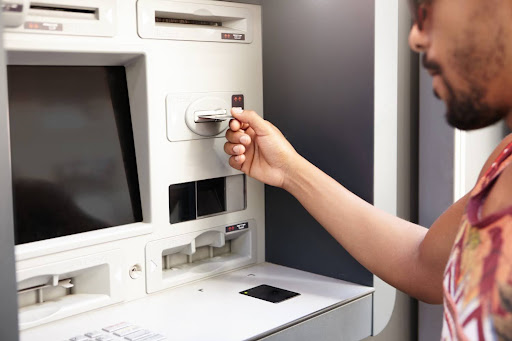
There's a gap between owning an ATM and actually understanding how it gets paid, and that gap trips up more first-time owners than you'd expect. Every withdrawal a customer makes has to travel through a chain of verification, authorization, and settlement before any money actually moves, and ATM machine processing is the term for that entire behind-the-scenes journey. Knowing how it works isn't just technical trivia, it directly affects how quickly you see revenue, how fees get calculated, and what happens when something goes wrong mid-transaction.
Following a Transaction From Start to Finish
When a customer inserts their card and requests cash, the machine sends that request to a processor, which then routes it to the appropriate bank network for verification. The bank checks the account for sufficient funds, approves or declines the request, and sends a response back through the same chain, all within a matter of seconds. Once approved, the machine dispenses cash, and the transaction moves into settlement, where funds are actually transferred between the relevant financial institutions.
Where Processors Fit Into the Picture
Processors act as the middlemen coordinating this entire exchange. They maintain the connections to various bank networks, handle the technical routing of each request, and often manage the reporting that owners rely on to track machine performance. Without a processor handling this coordination, individual ATM owners would have no practical way to connect directly with the dozens of banking networks a machine needs to communicate with.
Fees Tied to the Processing Chain
Several types of fees typically show up as part of ATM machine processing, and understanding them helps owners anticipate actual take-home revenue rather than being surprised later. These commonly include:
Interchange fees paid to the cardholder's bank
Network fees charged by the specific banking network used
Processor fees for handling the transaction routing
Surcharge fees, which the ATM owner sets and typically keeps as revenue
The surcharge is usually where owner profit comes from, while the other fees are distributed among the various parties involved in completing the transaction.
What Happens When a Transaction Fails
Not every transaction goes through cleanly. Declined requests, connectivity interruptions, or dispensing errors can all disrupt the process partway through. A reliable processing setup handles these situations gracefully, reversing any partial charges and logging the failure so it can be reviewed later. Owners working with an unreliable processor often notice these hiccups more frequently, which can frustrate customers and quietly chip away at trust in the machine.
Settlement Timing and What It Means for Revenue
Funds from transactions don't typically land in an owner's account instantly. Settlement, the actual movement of money between banks, usually happens on a set schedule, often daily or within a couple of business days. Understanding this timing helps owners manage cash flow expectations rather than assuming revenue will appear the moment a customer walks away from the machine.
Choosing a Processor Worth Trusting
Not all processors offer the same reliability, reporting detail, or fee transparency. Some provide real-time transaction dashboards, while others offer only basic monthly summaries. Owners comparing options should pay close attention to uptime history, clarity around fee breakdowns, and how quickly support responds when something needs troubleshooting.
Conclusion
Getting a handle on how machine processing actually works puts owners in a much better position to manage their equipment profitably and troubleshoot issues when they arise. From transaction routing to settlement timing, each piece plays a role in how smoothly the machine operates day to day. Pairing a solid understanding of processing with dependable ATM machine services rounds out the picture, helping owners keep their equipment running reliably long after the initial setup is complete.
Comments
Log in or sign up to join the conversation.