

𝐌𝐚𝐫𝐤𝐞𝐭 𝐎𝐯𝐞𝐫𝐯𝐢𝐞𝐰 According to TechSci Research report, the Tyre Recycling Market is closely linked with the Global Tyre Recycling Market, which will grow from USD 7.66 Billion in 2025 to USD 9.49 Billion by 2031 at a CAGR of 3.63%. The global market focuses on the industrial collection and reprocessing of end-of-life tyres (ELTs) into reusable materials such as rubber granulate, steel, and textile fibres, or for energy recovery.
Growing emphasis on circular economy models and stringent environmental regulations to reduce landfill usage and illegal dumping are key factors supporting sustained demand for tyre recycling solutions.
In India, tyre recycling activity aligns with these global trends as tighter waste management norms and rising vehicle ownership intensify pressure to manage ELTs responsibly. As industries seek secondary raw materials to reduce reliance on virgin inputs and lower carbon footprints, the Tyre Recycling Market is poised to benefit from the same structural drivers shaping global growth.
𝐈𝐧𝐝𝐮𝐬𝐭𝐫𝐲 𝐇𝐢𝐠𝐡𝐥𝐢𝐠𝐡𝐭𝐬
Global market size: USD 7.66 Billion (2025) to USD 9.49 Billion (2031) at 3.63% CAGR.
Fastest growing segment: Rubber, driven by rising use of reclaimed rubber in value-added applications.
Dominant region: Asia Pacific, supported by expanding automotive sectors and higher vehicle ownership rates.
End-of-life tyres volume: 3.9 million tonnes generated across Europe in 2024, highlighting the scale of material requiring management.
These highlights show a market underpinned by regulatory enforcement, growing material flows of ELTs, and strong regional dynamics in Asia Pacific.
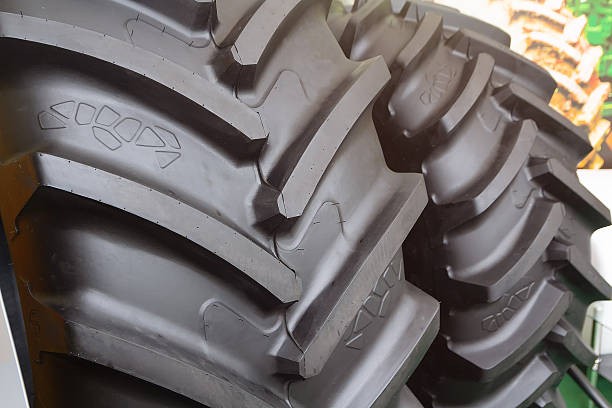
𝐆𝐋𝐎𝐁𝐀𝐋 𝐓𝐘𝐑𝐄 𝐑𝐄𝐂𝐘𝐂𝐋𝐈𝐍𝐆 𝐌𝐀𝐑𝐊𝐄𝐓 𝐁𝐘 𝐒𝐈𝐙𝐄, 𝐒𝐇𝐀𝐑𝐄 & 𝐅𝐎𝐑𝐄𝐂𝐀𝐒𝐓 2031 | 𝐓𝐄𝐂𝐇𝐒𝐂𝐈 𝐑𝐄𝐒𝐄𝐀𝐑𝐂𝐇
𝐊𝐞𝐲 𝐌𝐚𝐫𝐤𝐞𝐭 𝐃𝐫𝐢𝐯𝐞𝐫𝐬
Rapid technological advancements in pyrolysis and devulcanization enable recovery of high-value materials like recovered carbon black and pyrolysis oil, moving the industry beyond low-value crumb rubber.
Construction of advanced facilities, such as the Uddevalla plant in Sweden designed to recycle about 35,000 tonnes of ELTs annually, demonstrates infrastructure investment in high-value regeneration.
Stringent environmental regulations and landfill bans compel nations to establish robust collection frameworks and end-use markets.
Extended Producer Responsibility (EPR) models hold manufacturers accountable for post-consumer tyre management, increasing recovery rates and creating stable feedstock for recyclers.
These drivers collectively push the Tyre Recycling Market from a disposal-oriented activity to a materials-centric, circular value chain.
𝐄𝐦𝐞𝐫𝐠𝐢𝐧𝐠 𝐓𝐫𝐞𝐧𝐝𝐬
Expansion of rubber‑modified asphalt in road infrastructure, using ground rubber to improve pavement durability and reduce noise, creates a high-volume, recurring demand sink for scrap tyres.
Between 2021 and 2023, consumption of ELTs in rubber‑modified asphalt increased by 17%, reaching 165,000 tons, underlining this application’s growth trajectory.
Integration of closed‑loop tyre‑to‑tyre recycling ecosystems focuses on producing recovered carbon black and renewable fuels specifically for new tyre manufacturing.
Large-scale investment, such as Circtec’s €150 million facility designed to recycle about 5% of Europe’s annual ELT generation, highlights the commercialisation of circular technologies.
These trends indicate a shift from downcycling and low‑value uses toward performance applications and true tyre‑to‑tyre circularity.
𝐆𝐫𝐨𝐰𝐭𝐡 𝐎𝐩𝐩𝐨𝐫𝐭𝐮𝐧𝐢𝐭𝐢𝐞𝐬
Scaling pyrolysis and devulcanization plants to supply recovered carbon black and tyre pyrolysis oil to automotive, chemicals, and materials industries.
Expanding rubber‑modified asphalt usage in road construction and maintenance programmes to absorb large ELT volumes.
Developing closed‑loop ecosystems where recycled outputs feed directly into new tyre production, increasing recycled content share.
Leveraging EPR frameworks and regulatory incentives in Asia Pacific to build collection networks and regional processing hubs, including India.
These opportunities enable investors and operators to align capacity expansion with high‑value applications and policy support.
𝐊𝐞𝐲 𝐂𝐡𝐚𝐥𝐥𝐞𝐧𝐠𝐞𝐬
High operational costs in reverse logistics, driven by bulky, low‑density tyres collected from fragmented sources such as garages and remote dealerships.
Inefficient volume‑to‑weight ratios in transport increase fuel and labour cost per tonne, often exceeding the commercial value of recovered rubber.
Logistics expenses make collection from outlying regions financially unviable, leaving potential feedstock unrecovered and limiting market coverage.
Despite 79% of U.S. ELTs being consumed by end‑use markets in 2023, the remaining share is constrained largely by prohibitive collection and transport costs.
Addressing these challenges is critical for expanding geographic reach, improving feedstock capture, and enhancing profitability.
𝐒𝐞𝐠𝐦𝐞𝐧𝐭𝐚𝐥 𝐈𝐧𝐬𝐢𝐠𝐡𝐭𝐬 ➝ 𝐁𝐲 𝐌𝐚𝐭𝐞𝐫𝐢𝐚𝐥 𝐒𝐞𝐠𝐦𝐞𝐧𝐭 (𝐚𝐬 𝐝𝐞𝐬𝐜𝐫𝐢𝐛𝐞𝐝)
Rubber (fastest growing segment).
Steel.
Textile fibres.
The Rubber segment is anticipated to see the most rapid expansion, driven by adoption of circular economy principles across automotive and construction industries. Reclaimed rubber is increasingly used in rubberised asphalt, moulded goods, and other value‑added products as a cost‑effective alternative to virgin materials, supported by sustainability initiatives promoted by sector associations.
𝐑𝐞𝐠𝐢𝐨𝐧𝐚𝐥 𝐈𝐧𝐬𝐢𝐠𝐡𝐭𝐬 Asia Pacific holds a dominant position in the Global Tyre Recycling Market, supported by expanding automotive sectors and rising vehicle ownership across emerging economies. Large volumes of ELTs generated in the region necessitate effective waste management strategies to mitigate environmental impact. Implementation of Extended Producer Responsibility guidelines by India’s Ministry of Environment, Forest and Climate Change compels manufacturers to ensure responsible disposal, accelerating recycling activity and infrastructure development.
For India, these regulatory measures and growing ELT volumes strengthen the foundation for a more structured tyre recycling industry.
𝐂𝐨𝐦𝐩𝐞𝐭𝐢𝐭𝐢𝐯𝐞 𝐀𝐧𝐚𝐥𝐲𝐬𝐢𝐬 (𝐌𝐚𝐫𝐤𝐞𝐭 𝐒𝐭𝐫𝐮𝐜𝐭𝐮𝐫𝐞, 𝐒𝐭𝐫𝐚𝐭𝐞𝐠𝐢𝐞𝐬, 𝐃𝐞𝐯𝐞𝐥𝐨𝐩𝐦𝐞𝐧𝐭𝐬, 𝐏𝐨𝐬𝐢𝐭𝐢𝐨𝐧𝐢𝐧𝐠)
➝ 𝐌𝐚𝐫𝐤𝐞𝐭 𝐒𝐭𝐫𝐮𝐜𝐭𝐮𝐫𝐞 The Global Tyre Recycling Market exhibits a multi‑player structure with specialised recyclers and integrated waste management companies. Competition centres on technology capability (pyrolysis, devulcanization), collection networks, regulatory compliance, and the ability to supply high‑quality recycled outputs.
➝ 𝐊𝐞𝐲 𝐌𝐚𝐫𝐤𝐞𝐭 𝐏𝐥𝐚𝐲𝐞𝐫𝐬 Davis Rubber Company Inc. | TIRE DISPOSAL & RECYCLING LLC | Tyre Recycling Solution SA | Liberty Tire Recycling LLC | Genan Holding A/S | ResourceCo Pty Ltd. | GRP LTD | Lehigh Technologies, Inc.
➝ 𝐑𝐞𝐜𝐞𝐧𝐭 𝐃𝐞𝐯𝐞𝐥𝐨𝐩𝐦𝐞𝐧𝐭𝐬 𝐚𝐧𝐝 𝐒𝐭𝐫𝐚𝐭𝐞𝐠𝐢𝐞𝐬
Liberty Tire Recycling’s collaboration with Walmart involves collecting ELTs from auto care centres and converting them into recycled consumer goods such as rubber mulch and garden edging, demonstrating a retail‑integrated closed‑loop model and diverting millions of tyres from landfills.
Bridgestone, Grupo BB&G, and Versalis formed a strategic partnership to use thermomechanical pyrolysis to convert ELTs into tyre pyrolysis oil, which Versalis processes into circular elastomers subsequently used by Bridgestone in new tyres, creating a tyre‑to‑tyre circular chain.
Circtec’s €150 million investment in a large‑scale pyrolysis facility in the Netherlands aims to process about 5% of Europe’s annual ELT generation and produce high‑grade renewable fuels and circular chemicals, reducing greenhouse gas emissions linked to conventional disposal and chemical production.
Michelin, Antin Infrastructure Partners, and Scandinavian Enviro Systems announced their first ELT recycling plant in Uddevalla, Sweden, with initial capacity of around 35,000 tonnes per year, focused on recovering valuable raw materials such as carbon black and oil and rolling out a network of plants across Europe.
These developments highlight strategic focus on circularity, high‑value outputs, and partnerships across tyre, recycling, and chemical sectors.
𝐅𝐮𝐭𝐮𝐫𝐞 𝐏𝐫𝐨𝐬𝐩𝐞𝐜𝐭𝐬 The Tyre Recycling Market outlook through 2031 is anchored in regulatory pressure, circular economy commitments, and advancing recycling technology. As high‑value applications like rubber‑modified asphalt and tyre‑to‑tyre recycling scale, demand for quality reclaimed rubber and recovered carbon black is expected to rise. Overcoming reverse‑logistics cost barriers, particularly in developing regions and rural areas, will be key to unlocking additional feedstock and expanding capacity.
For India, continued enforcement of EPR, infrastructure investment, and integration into Asia Pacific’s broader recycling ecosystem will shape the next phase of market development.
➝ 𝟏𝟎 𝐁𝐞𝐧𝐞𝐟𝐢𝐭𝐬 𝐨𝐟 𝐭𝐡𝐞 𝐓𝐞𝐜𝐡𝐒𝐜𝐢 𝐑𝐞𝐬𝐞𝐚𝐫𝐜𝐡 𝐑𝐞𝐩𝐨𝐫𝐭 𝐨𝐧 𝐈𝐧𝐝𝐢𝐚 𝐓𝐲𝐫𝐞 𝐑𝐞𝐜𝐲𝐜𝐥𝐢𝐧𝐠 𝐌𝐚𝐫𝐤𝐞𝐭
Quantified global market size and forecast trajectory (2025–2031) for strategic planning.
Clear identification of Rubber as the fastest‑growing segment and reasons for its expansion.
Insight into Asia Pacific’s dominance and the regulatory role of EPR in driving regional recycling activity.
Analysis of key drivers such as technological advancements in pyrolysis/devulcanization and stringent environmental regulations.
Evaluation of reverse‑logistics cost challenges and their impact on feedstock capture and profitability.
Coverage of major end‑use trends including rubber‑modified asphalt and closed‑loop tyre‑to‑tyre ecosystems.
Profiles of leading global recyclers and their strategic initiatives in circular economy projects.
Documentation of recent high‑impact partnerships and investments that signal future industry direction.
Assessment of sustainability benefits from high‑value recycling, including reduced landfill use and lower greenhouse gas emissions.
Actionable insights for stakeholders on where to invest in technology, infrastructure, and partnerships within the tyre recycling value chain.
𝐅𝐀𝐐𝐬: 𝐈𝐧𝐝𝐢𝐚 𝐓𝐲𝐫𝐞 𝐑𝐞𝐜𝐲𝐜𝐥𝐢𝐧𝐠 𝐌𝐚𝐫𝐤𝐞𝐭
𝐖𝐡𝐚𝐭 𝐢𝐬 𝐭𝐡𝐞 𝐠𝐥𝐨𝐛𝐚𝐥 𝐬𝐢𝐳𝐞 𝐚𝐧𝐝 𝐂𝐀𝐆𝐑 𝐨𝐟 𝐭𝐡𝐞 𝐆𝐥𝐨𝐛𝐚𝐥 𝐓𝐲𝐫𝐞 𝐑𝐞𝐜𝐲𝐜𝐥𝐢𝐧𝐠 𝐌𝐚𝐫𝐤𝐞𝐭? The Global Tyre Recycling Market is projected to grow from USD 7.66 Billion in 2025 to USD 9.49 Billion by 2031 at a CAGR of 3.63%.
𝐖𝐡𝐢𝐜𝐡 𝐬𝐞𝐠𝐦𝐞𝐧𝐭 𝐢𝐬 𝐠𝐫𝐨𝐰𝐢𝐧𝐠 𝐭𝐡𝐞 𝐟𝐚𝐬𝐭𝐞𝐬𝐭 𝐢𝐧 𝐭𝐡𝐢𝐬 𝐦𝐚𝐫𝐤𝐞𝐭? The Rubber segment is anticipated to witness the fastest growth, driven by its versatility in rubberised asphalt, moulded products, and other circular applications.
𝐖𝐡𝐲 𝐢𝐬 𝐫𝐞𝐯𝐞𝐫𝐬𝐞 𝐥𝐨𝐠𝐢𝐬𝐭𝐢𝐜𝐬 𝐚 𝐦𝐚𝐣𝐨𝐫 𝐜𝐡𝐚𝐥𝐥𝐞𝐧𝐠𝐞 𝐢𝐧 𝐭𝐲𝐫𝐞 𝐫𝐞𝐜𝐲𝐜𝐥𝐢𝐧𝐠? Collecting bulky, low‑density tyres from dispersed sources leads to high fuel and labour costs per tonne, often exceeding the commercial value of recovered materials and limiting viable collection from remote regions.
𝐖𝐡𝐢𝐜𝐡 𝐫𝐞𝐠𝐢𝐨𝐧 𝐡𝐨𝐥𝐝𝐬 𝐭𝐡𝐞 𝐥𝐚𝐫𝐠𝐞𝐬𝐭 𝐬𝐡𝐚𝐫𝐞 𝐢𝐧 𝐭𝐡𝐞 𝐆𝐥𝐨𝐛𝐚𝐥 𝐓𝐲𝐫𝐞 𝐑𝐞𝐜𝐲𝐜𝐥𝐢𝐧𝐠 𝐌𝐚𝐫𝐤𝐞𝐭? Asia Pacific is the largest regional market, driven by high vehicle ownership, significant ELT generation, and regulatory frameworks such as EPR guidelines in India.
Comments
Log in or sign up to join the conversation.