
Explore various types of end mill cutters used in CNC machining for roughing, finishing, contouring, and precision industrial applications.
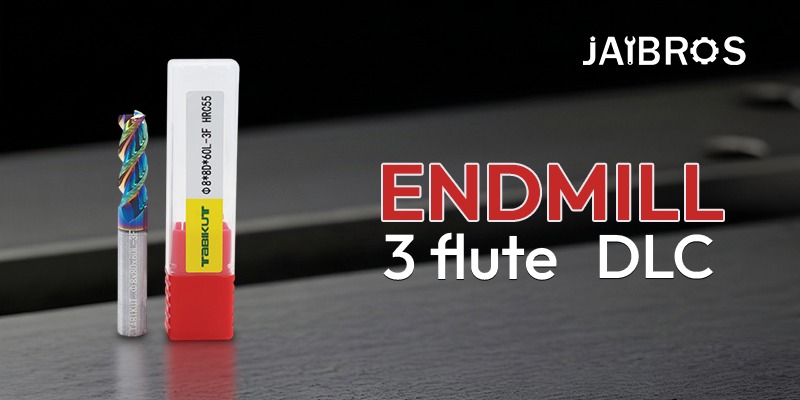
Different Types of End Mill Cutters Used in CNC Machining
Modern manufacturing industries depend on precision machining for producing accurate industrial components. CNC machining systems are widely used in sectors like automotive, aerospace, metal fabrication, and mold manufacturing because they provide consistent production quality and reduce manual errors. Different cutting solutions are used to perform drilling, profiling, slotting, contouring, and finishing operations according to industrial requirements.
Selecting the correct cutting equipment is important for achieving better productivity and surface finishing. Every cutter design is created for a specific machining purpose and material type. A properly selected end mill improves cutting stability, reduces vibration, and increases machining accuracy. Industries also focus on flute design, cutter coatings, and cutting geometry to improve operational efficiency in modern machining environments.
1. Importance of Cutters in CNC Machining
Machining operations require reliable cutting systems for maintaining production quality and dimensional accuracy. Different cutters help industries perform smooth cutting operations while reducing heat generation and excessive wear.
Main Benefits
Better machining precision
Improved surface finish
Reduced vibration during cutting
Faster production speed
Better chip removal
Increased cutter durability
Different materials such as aluminum, steel, brass, and titanium require different cutter geometries for effective machining performance.
2. Flat End Cutters
Flat cutters are among the most commonly used machining cutters in industrial manufacturing. These cutters have a flat cutting surface that helps create square edges, flat-bottom slots, and smooth profiles. Industries use them for side milling, slotting, and general-purpose cutting applications.
A flat end mill cutter performs efficiently in roughing and finishing operations where clean edges and accurate cuts are required. These cutters are widely used in automotive and metal fabrication industries because of their versatility and strong cutting performance.
Features
Flat cutting tip
Suitable for slotting operations
Creates sharp corners
Useful for general machining work
Available in different flute styles
3. Ball Nose Cutters
Ball nose cutters are designed with rounded cutting edges that help produce curved profiles and smooth contours. These cutters are highly useful in mold manufacturing, die industries, and 3D machining applications where smooth finishing is required.
A ball nose end mill is commonly preferred for detailed machining operations because it reduces visible cutter marks on curved surfaces. Industries manufacturing aerospace parts and industrial molds often use these cutters for contour machining tasks.
Advantages
Smooth curved finishing
Better contour machining
Reduced cutter marks
Ideal for 3D profiles
Useful in mold manufacturing
4. Corner Radius Cutters
Corner radius cutters combine the advantages of flat and rounded-edge cutters. These cutters contain slightly rounded corners that improve cutter strength and reduce edge chipping during machining operations.
These cutters are suitable for heavy-duty machining because they reduce stress concentration while cutting harder materials. A high-quality end mill tool improves machining stability and reduces the risk of sudden cutter failure during industrial production.
Common Applications
High-speed machining
Heavy material removal
Aerospace industries
Mold and die manufacturing
Industrial component machining
5. Roughing Cutters
Roughing cutters are specially designed for aggressive material removal during the initial stages of machining. These cutters include serrated cutting edges that break chips into smaller pieces and improve chip evacuation.
A roughing end mill cutter helps industries remove large amounts of material quickly while reducing cutting pressure on machines. These cutters are commonly used for machining harder metals and large industrial components.
Key Benefits
Faster material removal
Reduced cutting resistance
Better chip control
Improved machining efficiency
Lower machine load
6. Finishing Cutters
Finishing cutters are used after rough machining operations to improve surface finish and dimensional accuracy. These cutters usually contain multiple flutes that provide cleaner and smoother cuts.
A precision end mill is highly effective for final finishing operations where appearance and accuracy are important. Industries manufacturing medical equipment and precision components often depend on finishing cutters for high-quality results.
Features
Better surface finish
Reduced vibration
Improved cutting accuracy
Suitable for final machining stages
Smooth cutting performance
7. Tapered Cutters
Tapered cutters are designed with gradually reducing diameters that improve cutter rigidity during deep machining operations. These cutters are commonly used in engraving, mold cavities, and detailed industrial machining tasks.
The tapered structure minimizes cutter deflection and improves strength during cutting operations. Industries prefer these cutters for precision work where detailed machining accuracy is required.
Advantages
Better rigidity
Reduced cutter deflection
Suitable for deep cutting
Strong cutting performance
Useful for engraving work
8. Multi-Flute Cutters
Multi-flute cutters contain multiple cutting edges that improve cutting efficiency and provide smoother surface finishing. These cutters are commonly used in high-speed machining applications and softer industrial materials.
A properly selected end mill tool improves cutting stability and chip evacuation during machining operations. Manufacturers choose flute count according to material hardness, machining speed, and finishing requirements.
Benefits
Faster machining speed
Better surface quality
Reduced vibration
Improved productivity
Enhanced cutting stability
9. Factors to Consider When Choosing Milling Cutters
Industries must evaluate several machining conditions before selecting cutters for CNC applications. The correct cutter selection improves production quality and reduces operational costs.
Important Factors
Material type
Cutting speed
Machine capability
Required surface finish
Depth of cut
Coolant usage
Production quantity
Using the proper cnc tool setup also helps industries improve machining performance and reduce unnecessary wear during production processes.
10. Role of Coatings in Cutter Performance
Modern machining industries use coated cutters to improve durability and cutting efficiency. Cutter coatings help reduce friction, heat generation, and wear during high-speed machining operations.
Common Coatings
Titanium Nitride (TiN)
Titanium Aluminum Nitride (TiAlN)
Diamond coatings
Chromium Nitride coatings
These coatings improve cutter life and help industries achieve better machining performance while working with harder materials.
11. Maintenance Tips for Milling Cutters
Proper maintenance is important for improving cutter life and machining efficiency. Industries should regularly inspect cutters to identify wear and cutting damage before machining quality is affected.
Maintenance Tips
Clean cutters after use
Store in dry conditions
Use proper coolant
Avoid excessive cutting speed
Replace worn cutters on time
Check vibration regularly
Proper maintenance of every cnc tool setup also helps industries reduce downtime and improve productivity during machining operations.
Conclusion
Various types of cutters are vital in enhancing the efficiency and performance of machined processes. Flat cutter, ball nose cutter, roughing cutter, tapered cutter, and finishing cutter are examples of cutters that have various applications within the industry based on their specific roles during machining processes. The choice of an appropriate type of cutter will assist companies to obtain better surface finish, high speeds in production, and longevity of cutters. Appropriate maintenance, correct coating of the cutter, and accurate machining conditions will lead to better machining performance.Jaibros recognizes the need for quality machining services and reliable cutting tools within the industry.
FAQs
1. Why are different milling cutters used in CNC machining?
Different cutters are used for various machining tasks such as roughing, contouring, finishing, and slotting operations.
2. Which cutter is suitable for curved surface machining?
Ball nose cutters are commonly used for curved surfaces and contour machining applications.
3. Why are coated cutters important?
Coated cutters reduce friction, improve heat resistance, and increase cutter durability during machining operations.
4. What is the benefit of roughing cutters?
Roughing cutters remove large amounts of material quickly and improve machining efficiency.
5. What factors should be checked before selecting a cutter?
Material type, machine capability, cutting speed, and required surface finish are important factors during cutter selection.
Comments
Log in or sign up to join the conversation.