

Choosing the right GCSE Science course is one of the biggest decisions many students make before starting Key Stage 4. Parents often wonder which option will give their child the best chance of achieving high grades, while students worry about choosing a course that is either too difficult or not challenging enough. If you are feeling uncertain, you are not alone.
Many students also struggle with GCSE motivation because they are unsure whether they have chosen the right science pathway. The truth is that there is no single answer that suits everyone. The best choice depends on your strengths, future goals, and learning style.
This guide explains the difference between Triple Science vs Combined Science, how Core Science GCSE fits into the picture, and whether studying Double Science GCSE or Triple Science can help improve your grades.
Understanding GCSE Science Options
Before comparing the different science pathways, it helps to understand what each one includes.
Most schools in England offer one of these science options:
Combined Science
Triple Science
Single Science GCSE in some specialist settings
Although the names sound similar, the courses have different structures and learning expectations.
What Is Combined Science?
Combined Science teaches Biology, Chemistry, and Physics together in one course. Students study all three sciences but receive two GCSE grades instead of three.
Many schools refer to this as Double Science GCSE because students earn the equivalent of two GCSE qualifications.
The course covers essential scientific knowledge while keeping the workload manageable for most students.
Combined Science is suitable for students who:
Enjoy science but also want to focus on other GCSE subjects
Prefer a balanced workload
Do not necessarily plan to study science at A Level
Want a broad understanding of scientific concepts
What Is Triple Science?
Triple Science allows students to study Biology, Chemistry, and Physics as separate GCSE subjects.
Instead of receiving two GCSE grades, students receive three separate GCSE qualifications.
The course contains additional topics and greater depth compared with Combined Science. Students spend more classroom time studying science and complete more detailed practical work.
Triple Science is often recommended for students who:
Enjoy science lessons
Achieve strong science results
May study science subjects at A Level
Are interested in careers such as medicine, engineering, pharmacy, veterinary science, or research
Triple Science vs Combined Science
The question of Triple Science vs Combined Science is not about which course is better. It is about which course is the better fit for each student.
Here are some important differences.
Quick Comparison Table
Aspect | Triple Science vs Combined Science GCSE | Combined Science (Double Science GCSE) |
|---|---|---|
Subjects Studied | Biology, Chemistry, Physics (studied separately) | Biology, Chemistry, Physics (studied together) |
GCSE Grades Awarded | 3 separate grades | 2 combined grades |
Number of Exam Papers | 6 papers (2 per subject) | 6 papers (shared content across subjects) |
Content Depth | More detailed, builds on core science GCSE foundations | Core concepts only, less in-depth |
Related Pathway | Often follows on from core science and single science GCSE study | Alternative to studying sciences individually |
Weekly Study Time | Higher, more lesson hours needed | Moderate, more manageable workload |
Best Suited For | Students aiming for A Level sciences, medicine, engineering | Students wanting a well-rounded science understanding |
Difficulty Level | Not harder, but more content to revise | Not easier, but content is condensed |
Staying on Track | Requires strong GCSE motivation and consistent revision | Also needs steady GCSE motivation to manage all three sciences |
University Acceptance | Widely accepted, sometimes preferred for science degrees | Accepted by most universities and colleges |
Number of GCSE Qualifications
Combined Science awards two GCSE grades.
Triple Science awards three separate GCSE grades.
Course Content
Triple Science includes extra topics and explores scientific ideas in greater detail.
Combined Science covers the same core areas but with fewer advanced topics.
Lesson Time
Triple Science usually requires more teaching time each week.
Combined Science leaves more time for other GCSE subjects.
Exam Preparation
Students studying Triple Science often revise more material because each science has its own qualification.
Combined Science students still need to revise Biology, Chemistry, and Physics, but the overall content is slightly smaller.
Does Triple Science Actually Boost Your Grades?
Many people believe that Triple Science automatically leads to better grades. This is one of the biggest misconceptions.
Higher grades come from:
Regular revision
Good study habits
Understanding concepts
Practising exam questions
Staying motivated throughout the year
A student who works consistently in Combined Science can often achieve higher grades than someone taking Triple Science without putting in enough effort.
Choosing a course that matches your ability is usually more important than choosing the course that sounds more impressive.
Is Double Science GCSE Easier?
Many students ask whether Double Science GCSE is easier than Triple Science.
The answer is yes in terms of workload, but not necessarily in terms of exams.
Combined Science still requires students to understand important scientific ideas, apply knowledge, and answer challenging questions.
The difference is that Triple Science includes additional content and greater detail.
Students should not think of Combined Science as an easy option. It is simply a different course designed for different learning needs.
What Is Core Science GCSE?
The term Core Science GCSE is often used by parents and students when talking about the main science topics studied during secondary school.
Although qualification names have changed over the years, people still use the phrase Core Science GCSE to describe the essential Biology, Chemistry, and Physics knowledge that forms the foundation of GCSE science learning.
These topics include:
Cells and living organisms
Chemical reactions
Electricity
Energy
Forces
Ecology
The periodic table
Genetics
Whether you study Combined Science or Triple Science, these core topics remain extremely important.
What About Single Science GCSE?
Some students also hear the phrase Single Science GCSE.
A Single Science GCSE usually refers to studying only one science subject, such as Biology, Chemistry, or Physics, rather than completing the standard Combined or Triple Science pathway.
This option is less common in most mainstream schools but may be available in certain educational settings or for specific learning programmes.
Students considering this pathway should speak with their school before making decisions.
Which Students Should Choose Triple Science?
Triple Science is often suitable for students who:
Enjoy solving scientific problems
Perform well in science assessments
Are willing to revise regularly
Enjoy practical investigations
Plan to continue science after GCSE
Students who genuinely enjoy science usually find the additional topics interesting rather than overwhelming.
Which Students Should Choose Combined Science?
Combined Science is an excellent choice for many students.
It may suit learners who:
Want a balanced GCSE timetable
Have strengths across many different subjects
Prefer managing a slightly smaller science workload
Are still undecided about future career plans
Choosing Combined Science does not prevent students from achieving excellent GCSE results.
Many students continue successfully to A Levels after studying Combined Science, depending on their grades and school entry requirements.
Does Your Choice Affect University Applications?
Universities mainly focus on your later qualifications, especially A Levels.
However, students planning careers in medicine, dentistry, engineering, or scientific research often benefit from studying Triple Science because it provides a stronger foundation before sixth form.
That does not mean Combined Science limits future opportunities.
Strong GCSE grades, excellent A Level results, and consistent academic performance matter much more.
How GCSE Motivation Affects Science Results
No matter which science pathway you choose, success depends heavily on GCSE motivation.
Students often begin Year 10 feeling enthusiastic but lose confidence when topics become more challenging.
Some common reasons include:
Falling behind in revision
Comparing themselves with classmates
Feeling overwhelmed by exam pressure
Trying to memorise instead of understanding concepts
Maintaining motivation throughout the course is often the difference between average and excellent results.
Simple Ways to Stay Motivated
Students can improve their science performance by building small daily habits.
Set Weekly Goals
Rather than revising everything at once, focus on one topic each week.
Small achievements build confidence.
Practise Exam Questions
Reading notes alone is rarely enough.
Past paper questions help students understand how knowledge is tested.
Revise Little and Often
Twenty to thirty minutes of focused revision each day is usually more effective than long sessions before exams.
Learn From Mistakes
Incorrect answers are valuable learning opportunities.
Review errors carefully instead of becoming discouraged.
Ask Questions
If something does not make sense, ask your teacher, tutor, or classmates.
Understanding difficult topics early prevents larger problems later.
Revision Tips for Science Success
Whether studying Core Science GCSE, Double Science GCSE, or Triple Science, these revision techniques work well.
Create summary notes using your own words.
Use flashcards for scientific vocabulary.
Draw diagrams to remember processes.
Complete past papers under timed conditions.
Review mistakes after every practice test.
Explain difficult topics to someone else.
Mix Biology, Chemistry, and Physics during revision sessions to improve long term memory.
Common Mistakes Students Should Avoid
Many students lose marks because of simple mistakes rather than a lack of knowledge.
Some common errors include:
Ignoring required practical experiments
Leaving revision until the final weeks
Memorising without understanding
Not reading questions carefully
Forgetting scientific units
Skipping weaker topics
Avoiding these mistakes can improve grades significantly.
Can Extra Support Help?
Some students benefit from additional support outside school.
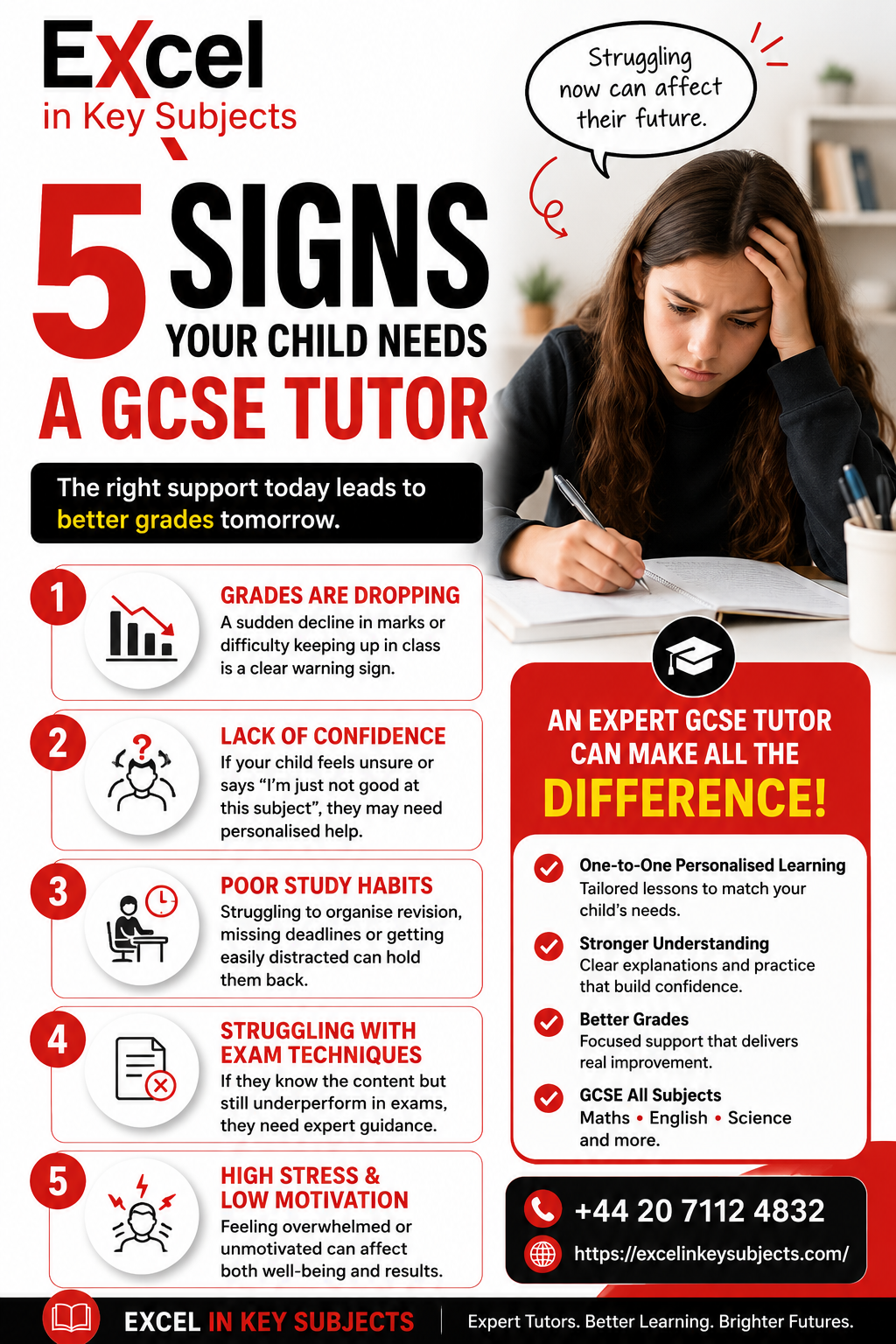
Working with experienced teachers or tutors can help explain difficult topics, improve exam technique, and build confidence.
Many parents choose support from providers such as Excel in Key Subjects when students need structured revision or personalised guidance. The aim should always be to strengthen understanding rather than simply increase study hours.
Final Thoughts
The debate around Triple Science vs Combined Science often leads students to believe that one option guarantees better GCSE results. In reality, the best choice depends on your interests, academic strengths, and future ambitions.
Both Double Science GCSE and Triple Science provide valuable scientific knowledge. Students who work consistently, stay organised, and maintain strong GCSE motivation are far more likely to achieve excellent results than those who rely solely on choosing the more advanced course.
If you are still deciding, speak with your teachers and parents about which pathway matches your abilities and long term goals. Most importantly, practise regularly, review your progress every week, and keep building your understanding step by step. Consistent effort is one of the most reliable ways to improve your science grades.
If you need extra guidance along the way, support from experienced educators such as Excel in Key Subjects can help you build confidence and prepare effectively while keeping your learning focused on long term success.
Comments
Log in or sign up to join the conversation.