

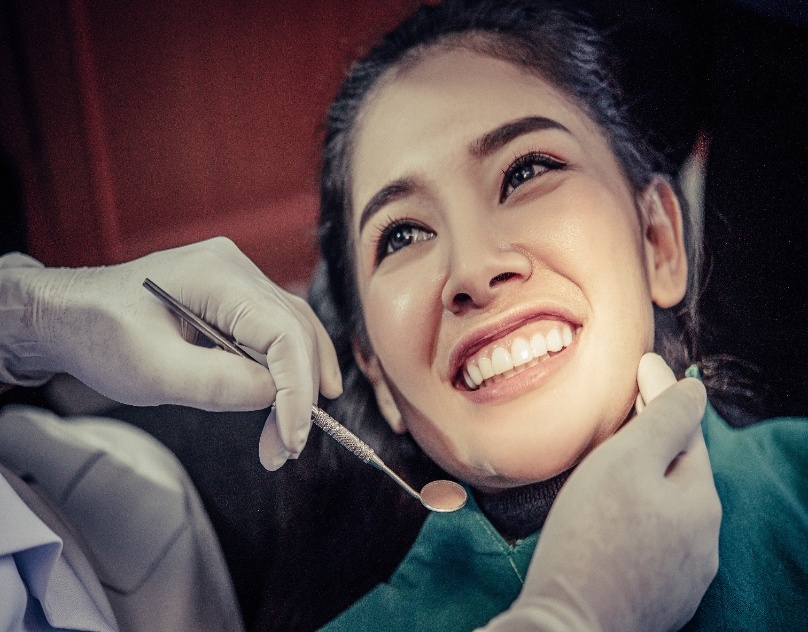
A skilled cosmetic dentist can change how you look and feel every day, giving you results that appear completely natural. Modern cosmetic dentistry in Yardley PA offers everything from simple whitening to complete smile makeovers that address multiple concerns at once.
Key Takeaways
Cosmetic dentistry covers veneers, bonding, whitening, and gum contouring in addition to basic care
Choosing a local provider means easier scheduling and consistent, relationship-based care
Most cosmetic procedures are minimally invasive with little to no recovery time required
Results from professional treatments can last many years when maintained correctly
A consultation is the best first step toward identifying which procedures match your goals
Cosmetic and restorative work often overlap, so one treatment can address both function and appearance
What Does a Cosmetic Dentist Actually Do?
A cosmetic dentist yardley pa focuses on improving the visual appearance of your teeth, gums, and overall smile. While general dentistry addresses health and disease prevention, cosmetic dentistry corrects aesthetic issues that affect your confidence and quality of daily life. The field has expanded significantly, offering patients far more options than were available just a decade ago.
Common treatments include teeth whitening, porcelain veneers, composite bonding, gum contouring, and full smile makeovers that combine several procedures into one plan. Each treatment is customized to the patient's facial structure, natural coloring, and personal aesthetic preferences. No two smiles are exactly alike, and a skilled cosmetic dentist recognizes that from the very first appointment.
The best cosmetic dentists blend artistry with clinical expertise, studying how teeth relate to the lips, cheeks, and overall facial frame before recommending anything. This holistic view ensures results look balanced and natural rather than artificial or overdone. Patients consistently describe the outcome as looking like the best version of themselves, not a different person entirely.
Cosmetic dentistry also overlaps with restorative care in meaningful ways. A porcelain crown protects a damaged tooth while also improving its color and shape at the same time. Dental bonding seals small cracks and smooths rough edges simultaneously. This means many patients receive both functional and cosmetic benefits from a single appointment without needing separate procedures.
How Dental Veneers Reshape Your Entire Smile
Porcelain veneers are ultra-thin shells bonded to the front surface of teeth to correct issues with size, shape, color, and alignment all at once. They are among the most popular cosmetic procedures because a single set addresses multiple concerns simultaneously. Each veneer is custom-made in a dental laboratory using impressions taken during the initial consultation appointment.
Preparation typically involves removing a small layer of enamel so the veneer sits flush with neighboring teeth. This step is minimal but permanent, which is why patients should discuss their expectations thoroughly before committing to the procedure. Once bonded properly, veneers are extremely durable and resist staining far better than natural enamel does.
Composite veneers offer an alternative for patients who want results without any enamel removal. A dentist applies tooth-colored resin directly to the surface and shapes it by hand during the visit. While not as long-lasting as porcelain, composite veneers are reversible and serve as an excellent starting point for patients exploring cosmetic options.
Maintenance for veneers is straightforward and fits into any existing oral hygiene routine. Regular brushing with a non-abrasive toothpaste, daily flossing, and routine dental visits keep them looking exceptional for ten to fifteen years or more. Avoiding habits like biting hard objects or chewing ice extends the lifespan of veneers considerably over time.
The Benefits of Dental Bonding for Cosmetic Improvements
Dental bonding is one of the most versatile and budget-friendly cosmetic treatments a dentist can offer. The process involves applying a composite resin material to the tooth surface, sculpting it into the desired shape, and hardening it with a curing light in one appointment. Most bonding treatments take thirty to sixty minutes per tooth with no anesthesia needed.
Bonding works well for closing small gaps between teeth, repairing chips or cracks, covering discoloration that resists whitening, and reshaping teeth that appear too short or uneven. Because the resin is precisely tinted to match surrounding teeth, results blend seamlessly into the natural smile without looking patchy or mismatched. Patients typically leave their appointment that same day with a noticeably improved appearance.
The resin used in bonding is strong but not impervious to damage from excessive force. Habits like chewing ice, biting nails, or opening packaging with teeth can chip or dislodge the material over time. Occasional touch-ups may be needed every five to seven years, but the low cost and quick turnaround make bonding one of the most practical cosmetic options available today.
Bonding is also particularly popular among younger patients who want meaningful cosmetic improvements before committing to something more permanent like porcelain veneers. It preserves the original tooth structure while still delivering a real aesthetic change. For many people, a single bonding session is all they need to feel genuinely confident and comfortable showing their smile in everyday life.
Professional Teeth Whitening as a Starting Point
Professional teeth whitening is often the first cosmetic treatment patients pursue because it delivers dramatic results without altering the shape or structure of the teeth. It is non-invasive, completed in a single visit, and produces results that over-the-counter products simply cannot replicate at home. A cosmetic dentist uses higher concentrations of whitening agents with precise application techniques that protect the surrounding gum tissue.
In-office whitening sessions typically last about an hour and can brighten teeth by several shades in one appointment. Take-home kits provided by the dentist use custom-fitted trays that distribute the gel evenly, preventing the uneven results common with generic pharmacy trays. Both options are supervised by a professional, making them considerably safer than unsupervised self-administered alternatives purchased at a store.
Whitening results are not permanent but can last one to three years with consistent care and maintenance habits. Avoiding coffee, tea, red wine, and tobacco extends the effects considerably between professional treatments. Periodic touch-up sessions at the dental office keep the smile looking its brightest over the long term.
Not all tooth discoloration responds equally to whitening agents. Intrinsic stains caused by medications, past dental trauma, or developmental factors require alternative treatments like veneers or bonding to achieve a lighter shade. A cosmetic dentist evaluates the type and depth of staining during the initial consultation and recommends the most effective approach for each specific case.
Gum Contouring and Smile Frame Aesthetics
Many patients are dissatisfied with their smiles not because of their teeth but because of excessive gum tissue visible when they smile. A gummy smile, where the gum line sits too high above the teeth, can make even perfectly healthy teeth appear short or disproportionate. Gum contouring corrects this imbalance by reshaping the gum line using a soft-tissue laser with excellent precision.
The procedure is minimally invasive and performed under local anesthesia to ensure comfort throughout. The dentist removes small amounts of excess tissue and sculpts the gum line into a shape that is more symmetrical and proportional to the teeth below. Most patients experience only mild soreness afterward and can return to normal activity within a day or two.
Receding gums present the opposite concern, exposing too much of the tooth root and creating an elongated or aged appearance. Gum grafting addresses this by adding tissue to areas where the gum line has pulled back and retreated. While the procedure serves a health function as well, the cosmetic improvement is a significant benefit for many patients who choose it.
The impact of proper gum framing on smile aesthetics is substantial and often underestimated. Patients who have had gum contouring frequently describe the change as transformative, even though no teeth were altered at all. A balanced, symmetrical gum line draws the eye toward the teeth themselves and creates a polished, intentional appearance across the entire smile.
What Happens at Your First Cosmetic Dental Consultation
The consultation is where every cosmetic treatment plan begins to take shape. The dentist reviews your dental and medical history, takes photographs and X-rays, and listens carefully to the outcomes you hope to achieve from treatment. This conversation matters because meaningful results always start with a thorough understanding of each patient's specific goals.
Many practices offer digital smile previews using imaging software that shows what different treatments might look like before any work begins. This tool helps patients visualize their options clearly and make confident decisions about proceeding with specific procedures. It also gives the dentist a clearer picture of the aesthetic direction the patient prefers before finalizing any plan.
The consultation is also the right time to ask about cost, timeline, and the maintenance that will be required after treatment concludes. Cosmetic procedures vary widely in price, and many dental offices offer financing plans to make treatments more accessible to a wider range of patients. Understanding what is included in the quoted fee helps patients budget realistically and avoid unexpected expenses.
After reviewing all the available options, the dentist will present a prioritized treatment plan tailored specifically to your smile and goals. Some patients begin with one straightforward procedure, while others pursue a phased smile makeover over several months. Either way, cosmetic dental consultation yardley gives patients a clear, step-by-step roadmap so they know exactly what to expect throughout the entire process.
Conclusion
Investing in your smile is one of the most meaningful decisions you can make for your daily confidence and quality of life. Whether you are considering a single whitening treatment or a full smile makeover, the right dentist will guide you through every step with genuine expertise and attentive care. The cosmetic dental services yardley community has access to high-quality care right in the neighborhood. Yardley Dental Arts is committed to helping every patient achieve a smile they feel genuinely proud to share with the world each day.
FAQs
How long do cosmetic dental treatments typically last?
Longevity depends on the procedure and how well you maintain your teeth afterward. Veneers can last fifteen years or more, bonding typically lasts five to seven years, and whitening results hold for one to three years with good habits and regular dental visits.
Is cosmetic dentistry covered by dental insurance?
Most cosmetic procedures are considered elective and are not covered by standard dental insurance plans. However, treatments that also serve a restorative function, such as crowns used to repair damage, may qualify for partial coverage depending on your plan and provider.
Does teeth whitening work on crowns or veneers?
Whitening agents only affect natural enamel and will not change the color of existing crowns, veneers, or bonded restorations. Your dentist may suggest replacing older restorations after whitening to ensure everything matches the newly brightened shade of your natural teeth.
Is cosmetic dentistry painful?
Most cosmetic procedures involve minimal discomfort. Veneers and bonding require little tooth preparation and are often done with local anesthesia. Whitening may cause temporary tooth sensitivity that resolves within a day or two, which your dentist will discuss with you beforehand.
How do I know which cosmetic treatment is right for me?
A consultation with a qualified cosmetic dentist is the best way to identify the right treatment. They will assess your teeth, gums, and goals before making any recommendations, presenting several options suited to your situation so you can make an informed and confident decision.
#CosmeticDentistry #CosmeticDentist #SmileMakeover #TeethWhitening #YardleyDentist
Comments
Log in or sign up to join the conversation.