

Key Benefits of Torx Screws for Modern Industrial Applications
Choosing the right fastener can end up making a pretty big difference in assembly quality , durability and day-to-day maintenance. Different fastening systems are made for different needs, and that six-point star-shaped design has turned into a pretty common pick in automotive, electronics, machinery, and all kinds of industrial uses.
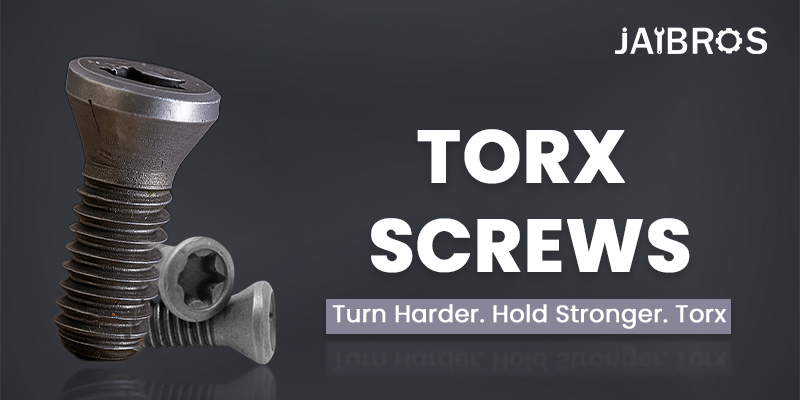
A Torx screw is built so it gets a solid bite between the fastener and its matching driver. That distinctive recess makes it possible for torque to move across more cleanly , while also lowering the chance of slipping. So it ends up being a great fit where tightening should be controlled and the fastening needs to stay dependable.
What Makes Torx Screws Stand Out?
Old school slotted and Phillips fasteners can sometimes let the driver slip when too much rotational force gets involved. The six-point geometry of a torx screw creates several contact points, between the driver and the fastener, at the same time.
With more contact area, the force that you apply gets spread out more evenly. Because of that, you can often use higher torque with a lower chance of chewing up , or deforming, the recess.
This kind of design really shines in manufacturing environments too, where fasteners are installed over and over , in a consistent way.
Better Torque Transfer
One of the biggest advantages of the Torx design is efficient torque transfer. A matching driver sits securely inside the recess, allowing rotational force to be transferred directly to the fastener.
This can make assembly easier and more consistent. In automated manufacturing, where power tools are frequently used, reliable engagement can help reduce installation problems and improve productivity.
For applications requiring controlled tightening, the design can also help operators achieve more predictable fastening results.
Reduced Risk of Cam-Out
Cam-out occurs when a screwdriver or bit slips out of the fastener while turning. It can damage the fastener head, the driver, or even the surrounding component.
The star-shaped geometry helps reduce this problem because the driver has multiple points of contact with the recess. When the correct size is used, the connection between the tool and fastener is relatively secure.
This is one reason these fasteners are frequently selected for products that require repeated assembly or maintenance.
Suitable for Automotive Applications
The automotive industry uses these fasteners in many different components, including interior parts, body panels, engine-related assemblies, and other mechanical systems.
Vehicles experience vibration and mechanical stress, so reliable fastening is important. The ability to apply consistent torque makes this design useful during both manufacturing and servicing.
Different torx screw sizes are available, allowing manufacturers to select an appropriate option based on the component and required fastening force.
Useful for Electronics and Small Components
Electronics often require compact fasteners that can be installed accurately without damaging sensitive components. Smaller sizes can be used in equipment such as computers, appliances, cameras, and other devices.
The secure driver engagement is useful when working with small fasteners because it provides better control during installation and removal.
A suitable torx screwdriver can also make maintenance easier when components need to be opened or replaced.
Applications in Machinery and Industrial Equipment
Industrial machinery often contains components that experience vibration, movement, and mechanical loads. Fasteners used in these environments need to provide dependable connections.
Torx fasteners can be used in machine housings, mechanical assemblies, tools, and equipment where consistent tightening is required.
The availability of different materials, dimensions, and head styles makes them adaptable to a wide range of industrial requirements.
Different Torx Screw Types
There are several torx screw types, and each is designed for a particular application. Standard versions are commonly used for general fastening, while security versions may include a center pin to prevent ordinary drivers from being used.
Other variations include countersunk, pan-head, and button-head designs. The correct option depends on the required appearance, available space, installation method, and security requirements.
Understanding these variations helps buyers select a fastener that matches their specific application.
Why the Star Head Design Is Useful
A star head screw provides a larger contact area between the driver and recess compared with some traditional designs. This helps distribute force across multiple points instead of concentrating it in a smaller area.
The result can be improved torque handling, reduced recess wear, and more reliable installation when the correct driver is used.
For manufacturing applications where repeatability is important, these characteristics can provide practical advantages.
Choosing the Right Fastener
Before purchasing, consider the required size, thread specification, material, head style, and application. The driver should match the fastener precisely to prevent damage during installation.
Environmental conditions should also be considered. For outdoor or industrial applications, corrosion-resistant materials may be preferable, while smaller components may require compact versions.
Selecting the appropriate fastener and driver combination can improve assembly efficiency and reduce maintenance problems.
Conclusion
A torx screw can be a better pick for uses that need reliable torque transfer, lower cam-out, and fairly consistent assembly. The six point geometry i s really helpful, it tends to work well across automotive, electronics, machinery, tools, and industrial equipment, too.
Still, picking the right size and type is the part that really matters. If you use an incorrectly sized driver, you can still mar the recess and it will lessen the fastening performance. So by taking the application into account, along with the material, the dimensions, and the install requirements users can choose a fastening solution that gives dependable results.
Comments
Log in or sign up to join the conversation.