
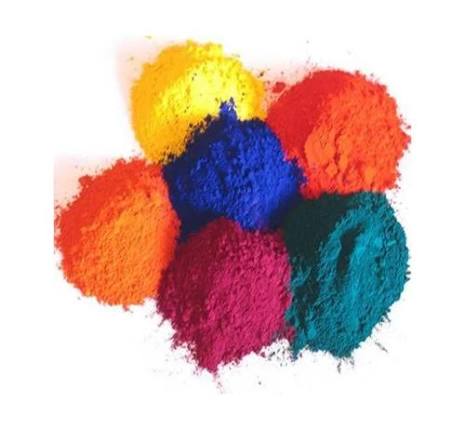
Pigments are an important part of modern manufacturing. They give products their color, improve their appearance, and help protect them from sunlight, heat, chemicals, and harsh weather. Whether you are looking at a painted building, a plastic chair, a printed food package, or a brightly colored car, pigments are working behind the scenes to make those products look attractive and last longer.
Industrial pigments are mainly divided into two categories: organic pigments and inorganic pigments. Organic pigments are known for their bright, rich colors and excellent color strength, making them a popular choice for products where appearance matters. Inorganic pigments, on the other hand, are valued for their durability, heat resistance, and ability to perform well in outdoor conditions. Many industries even combine both types to achieve the perfect balance of beauty and performance.
As industries continue to demand high-quality materials, the use of advanced pigments is increasing across many sectors. From construction and automotive manufacturing to packaging and textiles, pigments play a key role in improving both product quality and customer satisfaction.
Paint and Coating Industry
The paint and coating industry is one of the biggest consumers of pigments. Every residential building, commercial complex, factory, bridge, machine, and vehicle depends on pigments to achieve the desired finish. However, pigments do much more than provide color. They also improve weather resistance, protect surfaces from corrosion, and help coatings maintain their appearance for many years.
Organic pigments are often selected for decorative paints because they produce bright and attractive shades. Inorganic pigments are commonly used for industrial coatings because they can withstand extreme weather, sunlight, moisture, and high temperatures. This makes them ideal for factories, industrial equipment, pipelines, and heavy machinery.
Manufacturers usually choose pigments based on the conditions in which the coating will be used. Companies looking for reliable industrial pigment solutions can explore the complete range of products available at Megha international where different pigment options are available for coatings, plastics, inks, and many other industrial applications.
Plastic Manufacturing
The plastic industry uses pigments in almost every product that reaches consumers. From household containers and furniture to automotive components and electrical products, pigments help create attractive and consistent colors while maintaining product quality.
During plastic manufacturing, materials are processed at high temperatures. Because of this, pigments must remain stable without changing color or affecting the strength of the final product. Organic pigments are widely used when manufacturers need bright and vibrant colors, while inorganic pigments are preferred for products that require excellent heat stability and long-term durability.
As customer expectations continue to rise, manufacturers are investing in high-quality pigments that provide consistent coloring throughout the production process and help products maintain their appearance for years.
Printing Ink Industry
Every newspaper, magazine, carton box, flexible package, product label, and advertising material depends on pigments for clear and attractive printing. The printing industry requires pigments that deliver excellent color strength while maintaining consistency across large production runs.
Organic pigments are widely used because they provide brilliant shades and smooth printing performance. They also help produce sharp images and vibrant packaging that attracts customer attention on retail shelves.
Good pigments not only improve print quality but also help printed materials resist fading caused by sunlight and regular handling. This makes them an important part of the modern packaging and printing industry.

Textile Industry
The textile industry depends on pigments to create colorful fabrics used in clothing, home furnishings, sportswear, and industrial textiles. Customers expect fabrics to remain bright even after repeated washing and long-term use, making pigment quality extremely important.
Organic pigments are commonly used because they produce rich and attractive colors across a wide range of fabric designs. Manufacturers carefully select pigments that offer good color consistency and resistance to fading.
As fashion trends continue changing, textile manufacturers also look for pigment solutions that allow them to develop new color collections while maintaining production efficiency.
Construction Materials
Pigments are widely used in construction materials to improve both appearance and durability. Concrete blocks, paving stones, roof tiles, decorative cement, flooring products, and architectural elements all use pigments to create long-lasting colors.
Unlike decorative products, construction materials remain exposed to sunlight, rain, dust, and changing weather conditions throughout their life. Because of this, inorganic pigments are generally preferred due to their excellent resistance to UV rays, moisture, and heat.
Iron oxide pigments are especially popular because they provide natural-looking shades while maintaining excellent color stability for many years.
Automotive Industry
The automotive industry has very high standards for color quality. Whether it is a passenger car, commercial vehicle, motorcycle, or heavy equipment, pigments help create attractive finishes that remain glossy and vibrant even after years of outdoor exposure.
Vehicle manufacturers use pigments in body paints, bumpers, dashboards, plastic trims, wheel coatings, and interior components. These pigments must resist sunlight, chemicals, rain, scratches, and temperature changes without losing their original appearance.
For industries looking for bright and high-performance color solutions, the range of Organic Pigments available at Megha international offers options suitable for automotive coatings, plastics, printing inks, and several other demanding applications.
Packaging Industry
Packaging has become one of the fastest-growing markets for pigments. Every product on a supermarket shelf competes for customer attention, making color one of the most important elements of packaging design.
Pigments are widely used in food packaging, cosmetic boxes, pharmaceutical cartons, flexible packaging films, labels, and plastic containers. High-quality pigments help brands maintain consistent colors across thousands of printed packages while improving overall product presentation.
As packaging technology continues to advance, manufacturers require pigments that offer excellent print quality, durability, and compatibility with different printing processes.
Rubber Industry
Pigments are also widely used in rubber manufacturing. They are found in industrial belts, footwear, rubber flooring, sports equipment, seals, gaskets, and many other rubber products.
These products often operate under demanding conditions where they are exposed to heat, pressure, and continuous use. Because of this, pigments must remain stable throughout the manufacturing process while maintaining their color over time.
Inorganic pigments are commonly selected because they perform well under high temperatures and provide excellent long-term durability.
Ceramic and Glass Industry
Ceramic manufacturers use pigments to produce colorful floor tiles, wall tiles, sanitary ware, decorative items, and tableware. Since these products are manufactured at extremely high temperatures, pigments must maintain their color even during firing.
The glass industry also depends on pigments to manufacture colored bottles, decorative glass, architectural glass, and automotive glass. Inorganic pigments are generally the preferred choice because they provide excellent thermal stability and long-lasting color.
The ability of these pigments to withstand extreme manufacturing conditions makes them valuable for both ceramic and glass production.
Industrial Equipment and Machinery
Factories around the world use protective coatings on machinery, storage tanks, pipelines, generators, and industrial equipment. Pigments play an important role in these coatings by improving appearance while also helping protect metal surfaces from corrosion, chemicals, moisture, and weather.
Industrial environments are often harsh, so manufacturers require pigments that continue performing even after years of continuous use. Inorganic pigments are commonly selected because of their excellent resistance to heat, chemicals, and outdoor conditions.
Businesses looking for durable industrial color solutions can also explore the Inorganic Pigments range at dyes and pigments which is suitable for coatings, construction materials, plastics, ceramics, and many other industrial sectors.
Choosing the Right Pigment
There is no single pigment that works for every application. The right choice depends on factors such as processing temperature, weather exposure, color requirements, durability, and the material being manufactured.
Organic pigments are generally chosen when manufacturers want bright, vibrant colors with excellent color strength. Inorganic pigments are preferred when products need to withstand heat, sunlight, chemicals, and outdoor environments. In many industrial applications, both pigment types are used together to achieve the best balance between appearance and long-term performance.
Selecting high-quality pigments from an experienced supplier helps manufacturers improve product consistency, reduce production issues, and deliver better quality to customers.
Conclusion
Organic and inorganic pigments have become essential materials across modern industries. From paints and plastics to textiles, packaging, ceramics, rubber products, automotive coatings, and construction materials, pigments contribute far more than just color. They improve durability, increase product life, enhance appearance, and help manufacturers meet the growing expectations of today's market.
As industries continue to focus on quality, sustainability, and innovation, the demand for advanced pigment solutions will only continue to grow. By selecting the right combination of organic and inorganic pigments, manufacturers can produce products that are not only visually appealing but also capable of performing reliably for years.
Comments
Log in or sign up to join the conversation.