

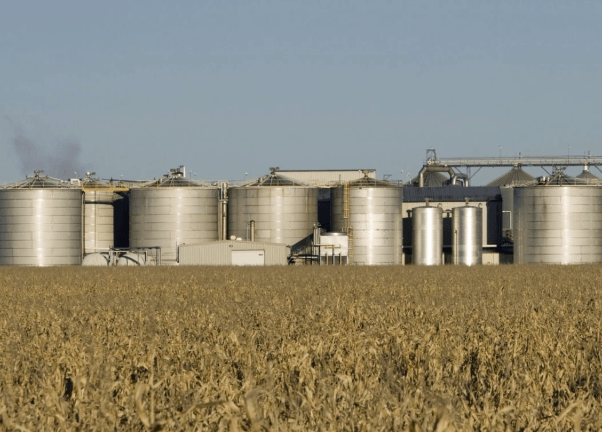
The demand for clean and sustainable fuels is increasing across the world as industries and governments look for alternatives to fossil fuels. Biodiesel has become one of the most practical renewable fuels because it can be produced from a wide range of natural oils and fats. However, the quality, production cost, and overall efficiency of biodiesel depend largely on the feedstock used.
A trusted Bio Diesel (FAME) Plant Manufacturer understands that selecting the right raw material is one of the most important decisions for achieving high biodiesel yield and consistent fuel quality. Different feedstocks have different oil content, availability, processing requirements, and production costs. Choosing the right one helps maximize plant efficiency while reducing operational expenses.
In this article, we will discuss the top feedstocks used for biodiesel production, their benefits, and how they impact biodiesel yield.
What is Biodiesel (FAME)?
Biodiesel, also known as Fatty Acid Methyl Ester (FAME), is a renewable fuel produced through a chemical process called transesterification. During this process, vegetable oils, animal fats, or waste cooking oils react with methanol in the presence of a catalyst to produce biodiesel and glycerin.
Biodiesel can be used in diesel engines with little or no modification, making it an environmentally friendly substitute for conventional diesel.
Why Feedstock Selection Matters
The feedstock accounts for nearly 70–80% of biodiesel production costs. Therefore, choosing the right raw material directly affects:
Biodiesel yield
Production cost
Fuel quality
Plant efficiency
Maintenance requirements
Return on investment (ROI)
An experienced Bio Diesel (FAME) Plant Manufacturer evaluates feedstock availability, oil quality, moisture content, and free fatty acid (FFA) levels before designing a biodiesel production plant.
Top Feedstocks Used for Biodiesel Production
1. Used Cooking Oil (UCO)
Used cooking oil has become one of the most preferred feedstocks for biodiesel production worldwide.
Benefits
Low-cost raw material
Easily available from hotels and restaurants
Reduces environmental pollution
Supports waste recycling
High commercial value
Modern biodiesel plants include advanced pretreatment systems that remove impurities and reduce free fatty acid levels before processing.
Biodiesel Yield
Approximately 85–95%, depending on oil quality.
2. Soybean Oil
Soybean oil is among the most widely used biodiesel feedstocks, especially in countries with large soybean production.
Advantages
Consistent oil quality
High availability
Easy processing
Reliable biodiesel properties
Although soybean oil is more expensive than waste cooking oil, it offers excellent fuel quality and stable production.
Biodiesel Yield
Around 95–98% under optimized operating conditions.
3. Palm Oil
Palm oil has one of the highest oil yields per hectare, making it a preferred feedstock in many Asian countries.
Benefits
High oil productivity
Large-scale commercial availability
Excellent conversion efficiency
Stable biodiesel production
Palm oil requires proper temperature control because it solidifies at lower temperatures.
Biodiesel Yield
Approximately 96–99%.
4. Jatropha Oil
Jatropha is a non-edible oilseed crop that grows well on marginal land without competing with food crops.
Advantages
Non-food feedstock
Suitable for dry regions
Supports sustainable farming
Reduces dependence on edible oils
Many biodiesel projects prefer Jatropha because it contributes to rural development while producing renewable fuel.
Biodiesel Yield
Generally 90–96% after pretreatment.
5. Animal Fats
Animal fats are another economical feedstock used in biodiesel production.
Common sources include:
Tallow
Lard
Poultry fat
Fish oil
Benefits
Low raw material cost
Good waste utilization
High biodiesel production potential
Because animal fats contain higher free fatty acids, advanced pretreatment systems are often required.
Biodiesel Yield
Around 85–95%.
6. Sunflower Oil
Sunflower oil is known for producing high-quality biodiesel with excellent combustion properties.
Advantages
Low sulfur content
Cleaner emissions
High cetane number
Better engine performance
Although relatively expensive, sunflower oil delivers premium biodiesel quality.
Biodiesel Yield
Approximately 95–98%.
7. Canola (Rapeseed) Oil
Canola oil is one of the leading biodiesel feedstocks in Europe.
Benefits
Low viscosity
Excellent cold flow properties
High fuel stability
Superior oxidation resistance
Canola-based biodiesel performs exceptionally well in colder climates.
Biodiesel Yield
Typically 96–98%.
8. Cottonseed Oil
Cottonseed oil is another valuable feedstock where cotton cultivation is widespread.
Advantages
Readily available in agricultural regions
Good conversion efficiency
Supports local industries
Stable biodiesel quality
Biodiesel Yield
Approximately 90–96%.
9. Algae Oil
Algae is considered one of the future feedstocks for biodiesel production because of its extremely high oil productivity.
Benefits
Very high oil content
Fast growth cycle
Requires less land
Absorbs carbon dioxide
Sustainable production
Although commercial production is still developing, algae has enormous long-term potential.
Biodiesel Yield
Can exceed 98% with optimized processing technology.
Characteristics of an Ideal Biodiesel Feedstock
A good biodiesel feedstock should have:
High oil content
Low moisture level
Low free fatty acid content
Easy availability
Affordable price
Stable supply throughout the year
Minimal impurities
These factors improve production efficiency and reduce operating costs.
How a Bio Diesel (FAME) Plant Manufacturer Helps Select the Right Feedstock
Every biodiesel project is different. A professional Bio Diesel (FAME) Plant Manufacturer evaluates several factors before recommending the ideal feedstock.
These include:
Local raw material availability
Production capacity
Investment budget
Product quality requirements
Government regulations
Market demand
Utility consumption
Feedstock storage requirements
Customized plant design ensures higher production efficiency and long-term profitability.
Technologies Used to Process Different Feedstocks
Modern Biodiesel Plant Manufacturers use advanced technologies to handle different types of oils and fats.
These include:
Feedstock pretreatment systems
Degumming units
Neutralization systems
Esterification reactors
Transesterification reactors
Methanol recovery units
Biodiesel purification systems
Glycerin recovery systems
Automated process control
Continuous production technology
These technologies improve biodiesel quality while reducing production costs.
Factors That Affect Biodiesel Yield
Maximum biodiesel production depends on more than just feedstock selection.
Important factors include:
Feedstock purity
Free fatty acid percentage
Moisture content
Catalyst quality
Reaction temperature
Methanol ratio
Mixing efficiency
Processing time
Purification process
Plant automation
An experienced Bio Diesel (FAME) Plant Manufacturer carefully optimizes these parameters to achieve high conversion efficiency and consistent fuel quality.
Future Feedstocks for Biodiesel Production
Research is expanding the range of feedstocks that can be used for biodiesel production.
Emerging options include:
Waste vegetable oils
Microalgae
Camelina oil
Pongamia oil
Rice bran oil
Neem oil
Mustard oil
Industrial waste oils
These alternatives can help reduce dependence on edible oils while supporting sustainable fuel production.
Conclusion
The success of any biodiesel project depends heavily on selecting the right feedstock. Used cooking oil, soybean oil, palm oil, Jatropha, animal fats, sunflower oil, canola oil, cottonseed oil, and algae each offer unique advantages depending on local availability and production goals.
A reliable Bio Diesel (FAME) Plant Manufacturer helps businesses choose the most suitable feedstock, design efficient processing systems, and maximize biodiesel yield while maintaining international fuel quality standards. By combining the right raw materials with advanced biodiesel production technology, manufacturers can achieve higher profitability, lower operating costs, and contribute to a cleaner and more sustainable energy future.
FAQs
1. Which feedstock gives the highest biodiesel yield?
Palm oil, canola oil, soybean oil, and algae oil generally provide the highest biodiesel yield under optimized conditions.
2. Is used cooking oil suitable for biodiesel production?
Yes. After proper pretreatment, used cooking oil is one of the most economical feedstocks for biodiesel production.
3. Why is feedstock selection important?
It affects biodiesel quality, production cost, plant efficiency, and overall profitability.
4. Can animal fats be used to produce biodiesel?
Yes. Animal fats are widely used after pretreatment to reduce impurities and free fatty acids.
5. What is the best non-edible feedstock for biodiesel?
Jatropha is one of the most popular non-edible feedstocks because it grows on marginal land and produces good oil yields.
Comments
Log in or sign up to join the conversation.