
Off-the-shelf software might seem like the easier, cheaper option at first glance. But as businesses grow and their operational needs become more specific, generic tools often start to feel restrictive. This is where tailor-made solutions come in. Investing in Custom Software Development allows companies to build systems that fit their exact workflows, goals, and customer expectations , rather than forcing the business to adapt to someone else's template.
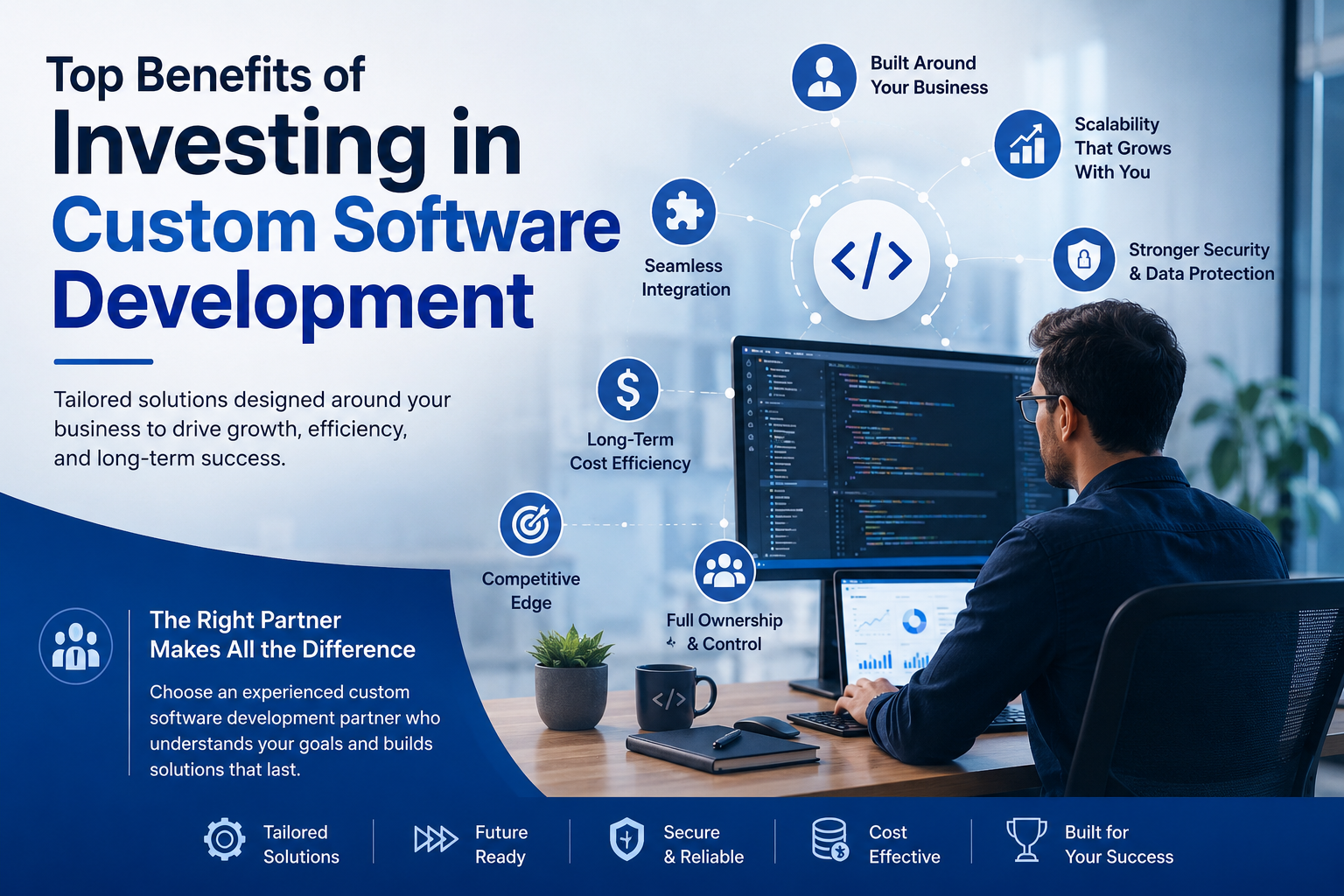
1. Built Around Your Business, Not Someone Else's
Every business has its own processes, challenges, and customer base. Off-the-shelf software is designed to serve the broadest possible audience, which means it rarely aligns perfectly with any single company's needs. Custom solutions are designed from the ground up around your specific requirements, ensuring every feature serves a real purpose instead of sitting unused.
2. Scalability That Grows With You
One of the biggest limitations of pre-built software is that it often can't scale efficiently as your business expands. Custom applications are architected with future growth in mind, allowing you to add new features, integrate additional tools, and support more users without needing to switch platforms entirely.
3. Stronger Security and Data Protection
Generic software is a common target for cyberattacks simply because so many businesses use the same platform, making vulnerabilities widely known. Custom-built systems reduce this risk significantly, since security protocols can be designed specifically around your data sensitivity, compliance requirements, and industry regulations.
4. Seamless Integration With Existing Systems
Most businesses already rely on a stack of tools , CRMs, accounting software, inventory systems, and more. Custom software can be built to integrate smoothly with your existing infrastructure, eliminating the data silos and manual workarounds that often come with third-party tools that weren't designed to talk to each other.
5. Long-Term Cost Efficiency
While the upfront investment in custom development is typically higher than buying a ready-made license, the long-term savings are significant. There are no recurring licensing fees, no paying for unnecessary features, and no costly workarounds to compensate for missing functionality. Over time, this often makes custom solutions more economical than continually adapting generic software.
6. A Competitive Edge in Your Market
When your software is built specifically for your operations, it can do things your competitors' off-the-shelf tools simply can't. Whether it's a faster checkout process, a smarter inventory system, or a more intuitive customer portal, custom features can become a genuine differentiator in a crowded market.
7. Full Ownership and Control
With custom software, you own the code, the data, and the roadmap. You're not dependent on a third-party vendor's update schedule, pricing changes, or decision to discontinue a product. This level of control gives businesses far more flexibility to adapt their software as their strategy evolves.
Choosing the Right Custom Software Development Partner
The benefits above are only achievable if the development process is handled correctly. Choosing an experienced Custom Software Development Partner is one of the most important decisions in this journey. The right partner brings not just technical expertise, but also a genuine understanding of your industry, your business goals, and your users' needs.
When evaluating potential partners, look for:
A proven portfolio of similar projects
Transparent communication and project management practices
A clear understanding of your industry's compliance and security requirements
Post-launch support and long-term maintenance capabilities
A collaborative approach that treats your business goals as their own
A strong development partner doesn't just write code , they act as a strategic ally in building a solution that supports your business for years to come.
Final Thoughts
Investing in tailored technology is no longer just a luxury for large enterprises , it's becoming a strategic necessity for businesses of all sizes that want to stay competitive, secure, and scalable. From improved efficiency to stronger data protection and long-term cost savings, the advantages are clear. The key to unlocking these benefits lies in partnering with a team that understands both the technical and business sides of development, ensuring the final product truly serves your goals.
Comments
Log in or sign up to join the conversation.