

How Chamfering Tools Improve Efficiency and Quality in Manufacturing
Industrial manufacturing relies on precision, efficiency, and consistency to produce high-quality components. While machining operations such as milling, drilling, turning, and threading often receive the most attention, edge finishing is equally important for achieving superior product quality. One of the most effective methods of edge preparation is chamfering.
Chamfering involves creating a beveled edge between two surfaces of a workpiece. This process improves safety, enhances appearance, simplifies assembly, and helps components perform more effectively in demanding applications. To accomplish this task efficiently, manufacturers depend on a chamfer tool.
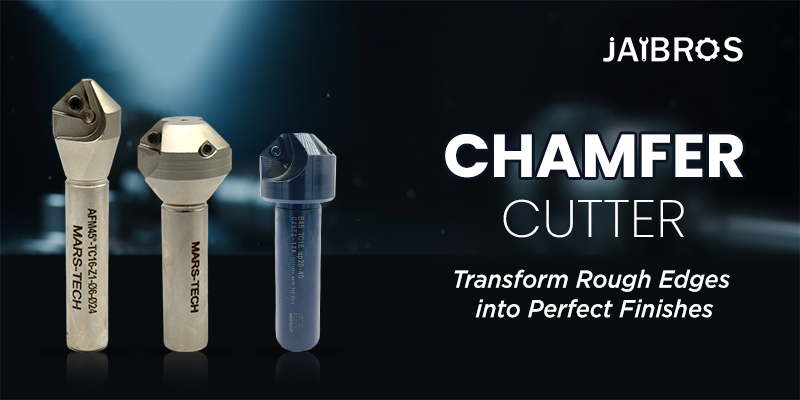
What Is a Chamfer Tool?
A chamfer tool is a cutting instrument designed to create angled edges on machined components. Instead of leaving sharp 90-degree corners, the tool removes a small amount of material to produce a smooth bevel.
Chamfered edges provide several advantages:
Improved safety
Better assembly performance
Reduced burr formation
Enhanced appearance
Improved stress distribution
Easier handling
A properly selected chamfer tool ensures consistent edge quality while helping manufacturers maintain productivity and precision.
Why Chamfering Is Important in Industrial Manufacturing
Manufactured components often require more than dimensional accuracy. Edge quality significantly impacts product functionality, durability, and user safety.
Benefits of chamfering include:
Reduced risk of injuries from sharp edges
Improved fit between mating components
Better welding preparation
Enhanced product aesthetics
Reduced stress concentration points
As manufacturing standards continue to rise, chamfering has become an essential finishing operation in many industries.
Top 10 Applications of a Chamfer Tool in Industrial Manufacturing
1. Edge Breaking and Sharp Edge Removal
One of the most common uses of a chamfering tool is removing sharp edges left after machining operations.
Sharp corners can:
Cause injuries
Damage mating components
Create handling challenges
Edge breaking creates smoother transitions and improves overall safety.
Industries using this application include:
Automotive manufacturing
Aerospace engineering
Metal fabrication
Precision machining
2. Deburring Machined Components
Machining processes often generate burrs that negatively affect part quality.
Chamfering helps eliminate:
Raised material
Rough edges
Surface imperfections
Deburring improves both product appearance and functionality while reducing the need for manual finishing.
3. Preparing Parts for Assembly
Many manufactured components must fit together precisely during assembly.
Chamfered edges help:
Guide components into position
Reduce assembly force
Minimize alignment errors
This application is particularly important in industries where precision assembly is critical.
4. Countersinking Fastener Holes
Flat-head screws and fasteners require conical openings to sit flush with the workpiece surface.
Chamfering tools create these openings efficiently and accurately.
Benefits include:
Improved appearance
Better fastener seating
Enhanced assembly quality
Countersinking is commonly used in automotive, aerospace, and industrial equipment manufacturing.
5. Weld Preparation
Strong welds require proper edge preparation.
Chamfering helps create beveled edges that improve:
Weld penetration
Joint strength
Welding consistency
Manufacturers often chamfer components before welding structural assemblies and fabricated metal products.
6. Thread Entry Preparation
Threads are vulnerable to damage during assembly if edges are not properly prepared.
Chamfering creates smooth entry points that:
Protect threads
Improve fastener engagement
Reduce installation effort
This application is frequently used in mechanical assemblies and industrial equipment manufacturing.
7. Internal Surface Chamfering
Certain components contain internal features that require edge finishing.
A back chamfer tool is specifically designed for machining these hard-to-reach locations.
Common applications include:
Hydraulic systems
Valve bodies
Aerospace components
Precision mechanical assemblies
Back chamfering improves functionality and ensures compliance with engineering requirements.
8. CNC Machining Operations
Modern manufacturing relies heavily on CNC machining for accuracy and repeatability.
A dedicated chamfer tool cnc setup allows manufacturers to automate edge-finishing processes.
Advantages include:
Consistent quality
Reduced labor requirements
Faster cycle times
Improved productivity
Automated chamfering is especially valuable in high-volume production environments.
9. Turning Operations on Lathes
Turning centers frequently require chamfering after machining cylindrical components.
A chamfer tool lathe helps create clean beveled edges on:
Shafts
Bushings
Connectors
Threaded components
Integrating chamfering into turning operations reduces secondary processing and improves manufacturing efficiency.
10. Improving Product Appearance
In addition to functional benefits, chamfering improves product aesthetics.
Consumers and industrial buyers often associate clean, smooth edges with quality craftsmanship.
Chamfered components appear:
More professional
Better finished
Higher quality
This is especially important for visible components used in consumer products, industrial equipment, and architectural applications.
Industries That Rely on Chamfering Tools
Automotive Manufacturing
Automotive components often require precise edge finishing for safety and assembly purposes.
Applications include:
Engine parts
Transmission components
Brake systems
Suspension assemblies
Aerospace Industry
Aerospace manufacturers require exceptional precision and consistency.
Chamfering helps improve:
Component reliability
Assembly accuracy
Structural integrity
Medical Device Manufacturing
Medical equipment manufacturers use chamfering to improve precision and eliminate sharp edges.
Industrial Equipment Production
Heavy machinery and industrial systems rely on chamfered components to improve durability and assembly performance.
Metal Fabrication
Fabrication shops frequently use chamfering to prepare parts for welding and assembly.
How Chamfering Tools Work Alongside CNC Tools
Chamfering is just one part of the machining process.
Modern cnc tools work together to create finished products that meet strict quality standards.
Typical CNC tooling setups may include:
End mills
Drills
Reamers
Thread mills
Boring tools
Chamfering tools
Each tool contributes to achieving precise dimensions, superior finishes, and reliable performance.
Benefits of Using High-Quality Chamfering Tools
Investing in premium chamfering solutions provides several advantages.
Increased Productivity
Efficient cutting geometries reduce machining time and improve throughput.
Better Surface Finish
High-quality tools create smoother and more consistent chamfers.
Longer Tool Life
Premium materials and coatings resist wear and maintain cutting performance.
Reduced Rework
Accurate chamfer dimensions help eliminate quality issues and rejected parts.
Improved Safety
Removing sharp edges protects operators and end users.
A reliable chamfer tool contributes significantly to achieving these outcomes.
Best Practices for Chamfering Operations
To maximize performance and tool life:
Use proper speeds and feeds
Monitor tool wear regularly
Maintain adequate coolant flow
Ensure machine rigidity
Select the correct chamfer angle
Use high-quality tool holders
Following these practices helps maintain machining accuracy and productivity.
Conclusion
The applications of a chamfer tool extend far beyond simple edge finishing. From deburring and countersinking to weld preparation and assembly enhancement, chamfering plays a critical role in modern industrial manufacturing. By selecting the right tooling solution and following proper machining practices, manufacturers can improve product quality, reduce production costs, and enhance operational efficiency.
For businesses seeking dependable machining solutions, Jaibros offers a comprehensive range of precision-engineered tooling products designed for modern manufacturing environments. From chamfering tools and cutting tools to advanced CNC solutions, Jaibros helps manufacturers achieve superior accuracy, productivity, and performance across a wide variety of industrial applications.
FAQs
1. What is the primary purpose of a chamfer tool?
A chamfer tool creates beveled edges on workpieces to improve safety, assembly performance, and overall product quality.
2. Which industries commonly use chamfering tools?
Industries such as automotive, aerospace, medical manufacturing, metal fabrication, and industrial equipment production regularly use chamfering tools.
3. What is a back chamfer tool used for?
A back chamfer tool is used to create chamfers on internal surfaces and hard-to-access locations where standard tools cannot reach.
4. Can chamfering operations be automated on CNC machines?
Yes, CNC machines can automate chamfering operations using dedicated tooling for greater accuracy, repeatability, and productivity.
5. How does chamfering improve product quality?
Chamfering removes sharp edges, reduces burrs, improves assembly, enhances appearance, and helps distribute stress more evenly across components.
Comments
Log in or sign up to join the conversation.