

Going to university is fun, but it has a lot of responsibilities too. Today's students are not just looking to get good grades, but they're also holding down side jobs, internships, extracurriculars, and personal responsibilities as well. Balancing work, study, and personal life can be overwhelming, but working during university can be beneficial and offer financial assistance.
When students don't have a healthy balance between school, work, and their own lives, they often fall behind on assignments, forget to sleep, are stressed, and don't have enough social time. With careful planning, effective time management, and realistic expectations, students can thrive academically and make it through their studies without compromising their physical or mental health.
This guide discusses the strategies which can help university students cope with the responsibilities they juggle in their academic life and a satisfying personal life.
Why Keeping A Balance Matters?
Modern-day university students are more under stress than their predecessors. The high cost of education compels students to work part-time jobs, and the competitive employment market demands internships, certifications and other extra-curricular activities. Meanwhile, relationships, physical health and mental well-being are all vital.
When not balanced, pupils may suffer from:
Academic burnout
Poor concentration
Missed assignment deadlines
Higher levels of worry and stress
Sleep deprivation
Declining physical health
Reduced motivation
On the other hand, students who manage to balance various aspects of life enjoy:
Better grades
Improved productivity
Stronger mental health
Higher confidence
Better work experience
More meaningful social relationships
If you think that balance is about giving equal time to everything every day. Then you are wrong.
In fact, it is about giving each task the appropriate time to ensure that it is completed on time. Even if you hire University Assignment Writing Help to assist you, you must know when the right time is to hire them.
As per a study, 75% of high school students are stressed due to their schoolwork. But obviously, if they know how to deal with it, they will be better off.
Tips to Maintain A Balance of Tasks
Understand Your Priorities
A big problem that university students have is putting too much emphasis on each task as if it is equally urgent. Successful students learn to know what is important and what is not.
Consider questions such as:
What are the assignments with the shortest deadlines?
How many "set-shifts" are scheduled for this week?
What are the things you should not put off until last?
What are some activities to help mminimisestress?
Once you know what you need, making good decisions will become easier on a day-to-day basis.
For instance, if you know your deadline is closing in, you can simply hire Cheap Assignment Help UK to assist you.
Make a Weekly Schedule
A weekly schedule gives structure and alleviates stress. Plan the whole of the week rather than every day.
Include:
Lecture timings
Study sessions
Assignment deadlines
Work shifts
Meal breaks
Exercise
Family time
Relaxation
Time can often seem to fly by between activities. One of the keys to finding free time is having a schedule.
Use a digital calendar, productivity app or even the simplest planner to help you stay organised.
Just be realistic about your time and don't overschedule it.
Divide Large Tasks into Smaller Steps
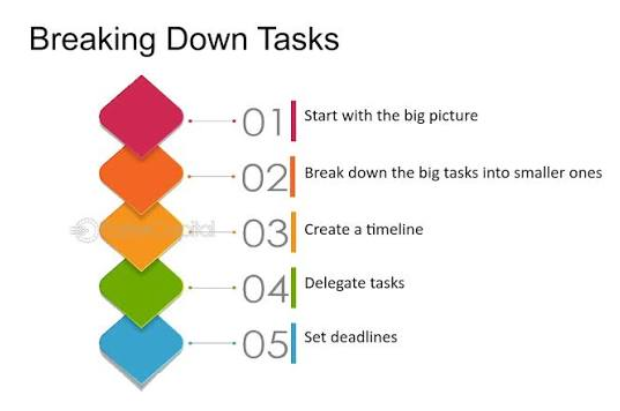
Don't write an entire research paper in one sitting, but rather break it into manageable stages:
Research
Outline
First draft
Editing
Final proofreading
Smaller tasks are always easier to manage.
Use the Two-Minute Rule
If the task takes less than 2 minutes ,do it now.
Examples include:
Responding to a significant email.
Uploading an assignment
Organising lecture notes
Availability of work transfer to confirm a shift to work
All these little things can add up if they are not done.
Avoid Multitasking
Multitasking might seem like it's efficient, but studies repeatedly suggest that it's not and leads to errors. Hence:
Do one task at a time.
Study while studying.
Work while working.
Relax while relaxing.
When you can concentrate, you'll work faster and more effectively.
Set Realistic Study Goals
Sometimes students develop unrealistic study plans that they cannot keep up.
Instead of saying:
"I'm going to study 8 hours today.."
Try saying:
Complete Chapter 4 notes
Complete one practice quiz
Review lecture slides
Revise yesterday's material
It's easier to achieve task-based goals than time-based goals.
Completing each item gives a sense of achievement, making people want to do more.
Learn to Say No
Many students go to every event on campus, take any job assignment, or work on any group project that they're asked to participate in.
Unfortunately, that "yes" to everything often results in tiredness.
Saying no to unwanted commitments is a good way to maintain your grades and well-being.
Study in Short Sessions
Students often find it easier to concentrate and remember information when they study in short, focused sessions of 45-60 minutes with a break.
Remove Distractions
Set your mobile phone to silent.
Close Unnecessary Browser Tabs.
Find a quiet place to study.
Any interruptions can have an impact on productivity, even short ones.
Review Instead of Cramming
It's important to go over material often during the semester, rather than memorising it the night before a test.
Revising the material will help to keep it fresh and will help alleviate stress.
Select the Right Part-Time Job
Not all part-time work is good for study.
When choosing a job, keep these things in mind:
Flexible working hours
Weekend shifts
Remote opportunities
Student-friendly employers
Travel time
Having jobs near campus, or with flexible working hours, can make a big difference when juggling responsibilities.
Take Care of Your Health
A combination of university and a part-time job can be tiring if the health factor is overlooked. Many students forfeit sleep, meals or stay caffeine-filled to be productive. This seems to work in the short run, but can cause burnout, low focus and poor grades in school.
Focus on healthy habits – do this by:
Maintaining a regular sleep schedule (7-9 hours per night)
Choosing meals that contain a balance of food items rather than fast food.
Wearing appropriate footwear during the day
Regular physical activity (at least three times per week)
Breaking up the study with regular breaks
Maintain a Healthy Social Life
Being productive doesn't mean eliminating your social life. Quality time with friends and family can help lower stress and boost emotional health.
But it's important to socialize but not all the time.
It is not necessary to go to all meetings or activities. Rather, schedule activities around classes and homework.
Use Technology
Technology, if used properly, can make it much easier to balance school and life.
There are several tools that will assist students in the organisation of their duties.
Popular options include:
Google Calendar to schedule classes, work shifts, deadlines, etc.
Use To Do or Todoist for daily tasks.
Notion is a note-taking and project management tool
Trello – assignment and group work tracking
Forest/Focus Keeper for concentration during studying time.
The main thing is to leverage technology to be productive, not distracted.
Avoid Procrastination
One of the greatest challenges to achieving balance is procrastination.
Late assignments lead to unnecessary stress, hurried assignments, and poor results.
To overcome procrastination:
Start assignments as soon as they are assigned.
Break down big assignments into smaller tasks.
Make your own deadlines before the official deadline.
Give yourself a reward for a completed important task.
Set realistic expectations for growth and improvement, not perfection.
Know When to Take a Break
Students think that working 24/7 equals success. The truth is, if you work all the time without resting, your productivity will be lowered, and you will be more fatigued.
Therefore, always take breaks when needed.
Final Thoughts
It's hard to balance studies, part-time work, and time for oneself, but it's also a very important thing for university students to learn. Success isn't a product of hard work 24 hours a day; it's a product of smart work, realistic priorities and a healthy lifestyle.
Be aware that balance is not the same for all students. There may be weeks when focusing more on learning, or weeks when you need to concentrate more at work or home. The idea isn't perfection; it's consistency. Scheduling ahead, developing productive habits, communicating openly, and taking time for rest will allow students to enjoy the university experience and get ready for a successful life in the future.
The ability to manage your time and organise yourself during university will only help you further your career in the future and in your personal life.
Frequently Asked Questions (FAQs)
1. How many hours should a college student work as a part-time worker?
The average recommended time for education experts working during the school term is 10-20 hours per week.
2. How can students prevent burnout during their studies and in their work?
Students can prevent burnout through developing a realistic schedule, sleep, exercise, short study breaks, healthy eating, and avoiding excessive student hours during exam sessions.
3. How to handle University work?
Begin assignments early, divide assignments into smaller parts, do not wait until the last minute, and plan and organise assignments digitally.
4. Do university students benefit from having a part-time job?
Yes. A part-time position will allow students to develop financial independence, communication and teamwork skills, develop professional experience, and enhance their resumes.
5. What behaviours and approaches can students use to achieve a healthy work-life-study balance?
Students can keep themselves balanced through prioritising important tasks, having a weekly plan, minimising distractions, spending time with family and friends, self-care and having the ability to adapt their plans when things change.
Comments
Log in or sign up to join the conversation.