

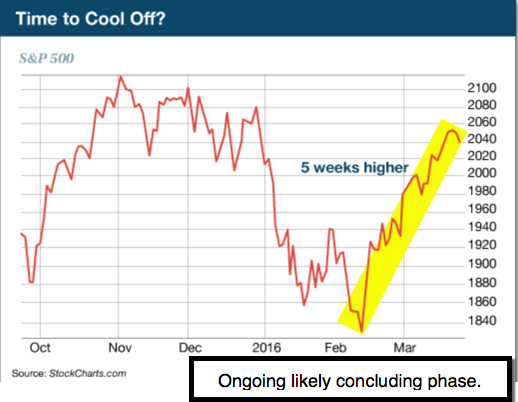
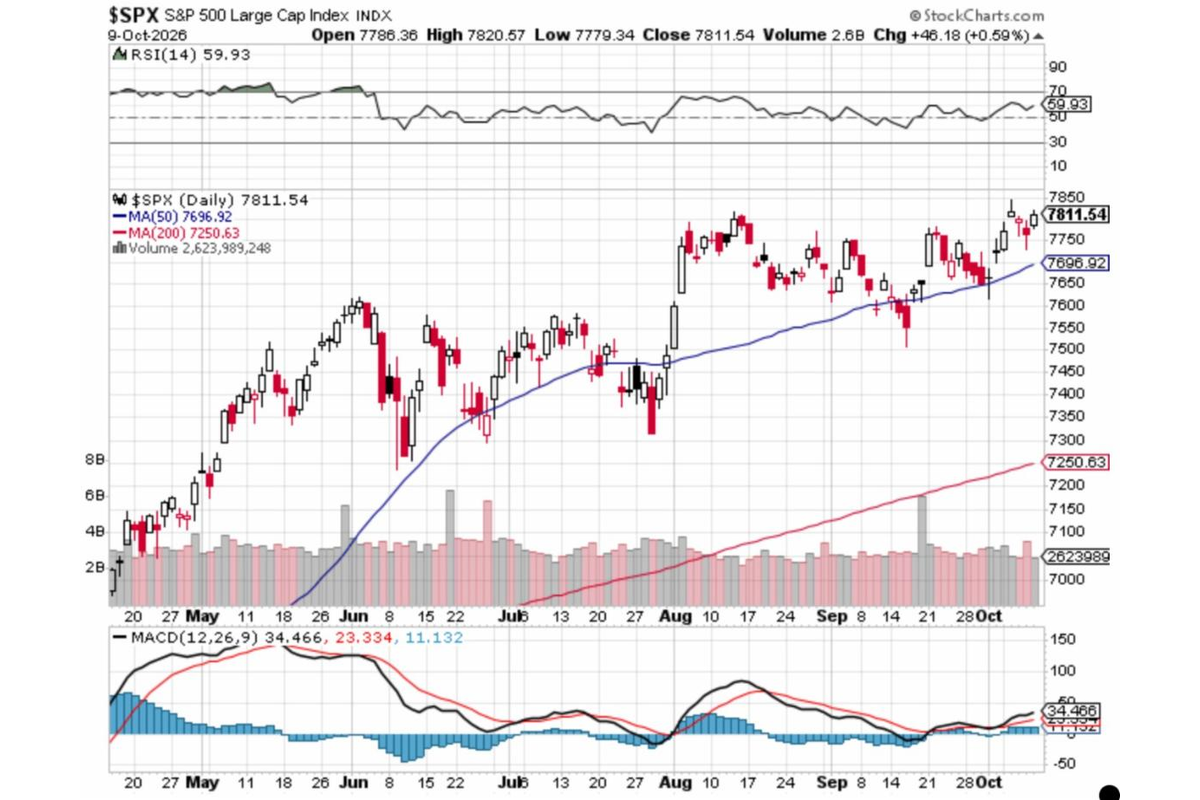
You could say the market wears an Easter Bonnet. More accurately, a 'broadening top' of significance has been forming for some time now; hence the relatively neutral action in the wake of the push-up after the Fed's dovish guidance was received in a favorable way. This was solely because it pressed rates even lower, pushing ideas of chasing yield back to the fore; however doing it in a market clearly dealing with a slew of mediocre economic facts and expectations.
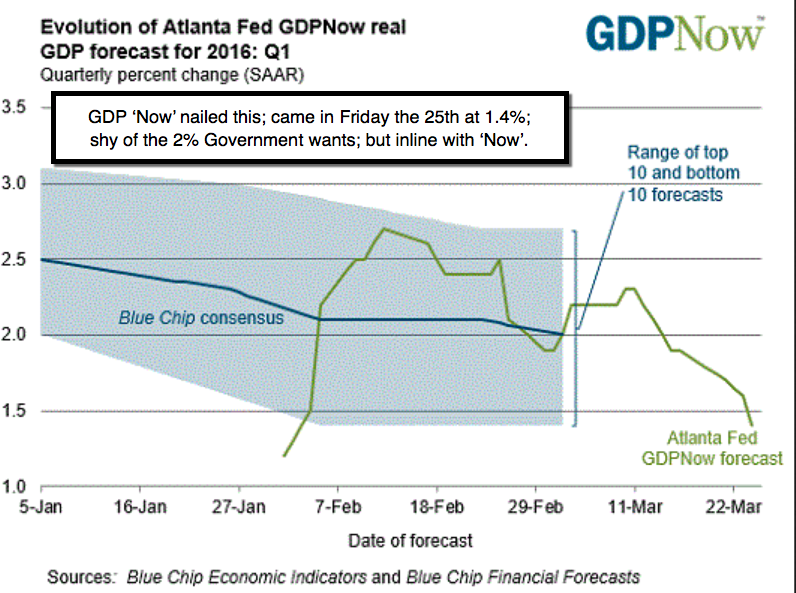
In fact Thursday the Atlanta Fed, via the latest 'Atlanta Now', provided a picture of anything but a frolicking Easter Egg hunt for elusive bargains with genuinely attractive valuations. In this case, even the consumer stocks are selling typically around 18 times historical trailing earnings; and that's a couple points too high at minimum. If one looks at the overall S&P 500 historically, valuations aren't wildly overvalued compared to the prior 5 years; although the growth prospects are on the weaker side, thus must be factored into that evaluation. Thus, with a forward earnings guidance decidedly flat for the S&P; there's not a greatto point to. It's almost expecting a miracle, like magic hair growth enhancing value without any real substance existing, able to appear as a 'feather on the cap' of this market.
Finally, in this regard, one can look at the Energy Sector. Here; multiples are for sure triple the lows of the prior bear market; but with earnings seriously down; it tends to raise PE's even as price is meandering after the huge hit. Remember, a PE on individual stocks (more so than the Indexes) will be high both at extended price levels in prosperity, but also as price drops and earnings evaporate in bad. As for Energy; for these prices to be justified you'd really need to see higher Oil (by far) within a few months; and unless it's geopolitically related, that normally is associated with higher inflation.
Simply put: this has been a couple choppy but irresolute weeks mostly 'waiting' to get through many event driven spots; the FOMC, the Expiration; and now the Quarter's end itself coming right up. In the midst of this, you had the attack on Europe's 'center of power', as Brussels is the seat of the EU and NATO, which does send a wider wake-up call to member-states; though you'd think everyone was already well-aware of these Islamic extremist tentacle throughout Europe in an interlinked network, just as the French President noted a week earlier.
In-sum: amidst a topping process of the market rebound's possible 'swan song', progress has been made 'slightly' on the economy, which provides a backdrop of Fed regional heads proclaiming room to firm-up policy even perhaps in April. That, along with the 'buyback blackout' and post-Expiration languishing allowed the market to back-and-fill, although without meaningful resolution as of yet.

Progress has also been made against the barbarian vermin; in several areas. In a sense the take-down of suspects in both Brussels and Paris (where bombs as well as automatic weapons were found) as well as Germany (linked to the Paris attack) shows the 'spider web' of interconnected Islamic extreme terror cells. In a sense intelligence coordination appears to be working better (belatedly); and it does seem authorities grasp that these are by no means lone-wolf assaults 'just' inspired by online propaganda.
Now you hear debates about open travel; which the French properly clamped down on after the November attacks. Now others are finally recognizing the necessities of security; as the enemy is ramping-up to attack as best they can, while they can. In a sense part of the Schengen Agreement has been frozen ever since Paris; now it widens member-wide, with some impact on trade and travel. The lucky (because he survived) Utah college student burned in Brussels apparently was in his 3rd brush with terror events; which shows how dangerous things may be getting. I merely encountered a couple incidents; noticed security and had one bit of a scare when an Arabic guy pulled-up in a van with requests, provoking attention from a gendarme detail with us.

Clearly Europe is stressed; and with ISIS suffering some reversals in Syria (just on Friday the U.S. nailed the 2nd in command of ISIS and their finance chief rat) so it's possible they've told followers or infiltrated commandos (via Trojan horse style penetration along with migrant refugees) to attack quickly, because they're a bit on the ropes in the Middle East, thanks to the U.S. and Russia. Surely they are not 'beat' (sadly); nor are they incapable of inflicting harm (think Libya too as the world perhaps prepares to liberate it, not just Mosul and attack Raqqa Syria, though both are suggested to be in early-stage preparatory assaults now). But it seems some progress is being made, and we congratulate the Belgians, French and Germans for unraveling the spider-web of vermin a bit better; and today the heroism of U.S. Special Forces for nailing the #2 ISIS leader. Good job guys!
Conclusion: risk remains (and heightened security for sure) over this Easter weekend. Both militarily, terror-wise, and currency wise for next week, given the Chinese pressure on their currency on Friday, perhaps suggesting to the Fed all the chatter about 'firming' (backing away from the Yellen dovish remarks) might provoke China resuming the competitive devaluations. In a sense they just did; and that's what I mentioned last week, suggesting it naive to believe the Dollar could just fall back without China or others making moves to offset that fade. Of course the Dollar rebounded this week; halting Oil's rally; and stocks meandered mostly as part of the overall late Quarter behavior.

While risk is far greater than upside potential for equities here, the situation is not quite as bad in Europe and the US, the ECB and the Federal Reserve have amassed huge portfolios of their own sovereigns' debt, purchased from private banks in exchange for central bank reserves that they conjure at will in unlimited amounts. Speculators buy debt with negative yields from governments that are poor credit risks because central banks will pay them an even higher price at an even more negative yield.

Conclusion: a stated goal of central banks is to increase economic activity and inflation rates, as would increase interest rates and reduce bond prices, inflicting losses on bondholders, including, perversely, central banks. Odd enough.
However this week the stock market was influenced by Fed-heads talking down the dovish or low-rate pitch of Yellen the prior week. Notably or not; the Chinese followed this by an (somewhat predictable) currency weakening move on Friday. This might just firm the U.S. Dollar 'some' early in the new week, and put stocks back on a defensive tone; especially if Oil dips a bit concurrently.
Comments
Log in or sign up to join the conversation.