
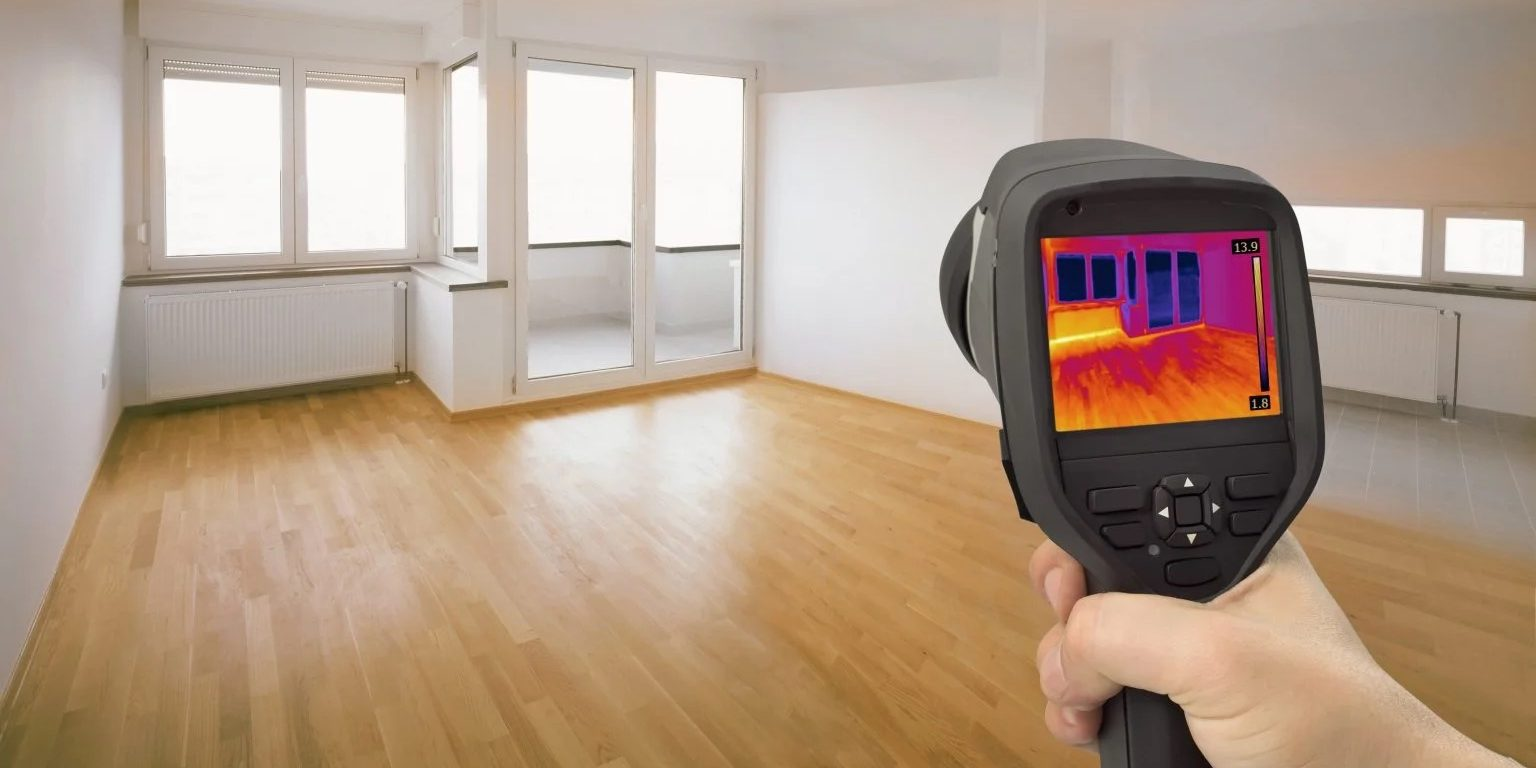
A thermal inspection camera is a vital tool for detecting heat patterns, identifying equipment faults, and ensuring safety across various industries. By visualizing temperature differences, these cameras help professionals prevent costly breakdowns, improve energy efficiency, and enhance workplace safety. Understanding the features and applications of thermal inspection cameras is essential for industries ranging from electrical maintenance to building inspection.
What Is a Thermal Inspection Camera?
A thermal inspection camera captures infrared radiation emitted by objects and converts it into a thermal image. This allows users to visualize temperature variations that are invisible to the naked eye.
Key Features
Detect hot and cold spots in equipment or structures
Non-contact measurement for safety
High-resolution thermal imaging for accuracy
Portable and easy to operate
Using a thermal inspection camera effectively ensures timely detection of potential issues before they escalate.
Benefits of Using a Thermal Inspection Camera
Thermal cameras provide significant advantages in both industrial and commercial settings.
Preventive Maintenance
Identify overheating electrical components
Detect insulation problems in buildings
Prevent potential equipment failure before it occurs
Safety Enhancement
Non-contact temperature measurement reduces risk of injury
Detect potential fire hazards early
Monitor high-voltage equipment safely
Efficiency and Cost Savings
Reduce energy waste by spotting heat leaks
Optimize HVAC and electrical system performance
Minimize downtime and maintenance costs
Strategic use of a thermal inspection camera improves operational safety and efficiency.
Applications of Thermal Inspection Cameras
Thermal inspection cameras are versatile and used in multiple industries.
Electrical and Mechanical
Monitor motors, transformers, and circuit breakers
Detect overloaded circuits and faulty connections
Building and Construction
Identify insulation gaps and moisture intrusion
Inspect roofs, walls, and HVAC systems
Industrial and Manufacturing
Monitor machinery for overheating
Improve process control and energy management
The ability to detect unseen temperature variations makes thermal cameras indispensable for preventive maintenance.
Choosing the Right Thermal Inspection Camera
Selecting the right camera depends on intended use, resolution, and budget.
Considerations
Temperature range and sensitivity
Image resolution for clear detection
Portability and ease of use
Manufacturer support and warranty
A reliable thermal inspection camera ensures accurate readings, durability, and efficiency across various applications.
FAQs
1. How does a thermal inspection camera work?
It detects infrared radiation emitted by objects and converts it into a visual thermal image, allowing users to see temperature differences.
2. Can thermal cameras detect electrical faults?
Yes, they can identify overheating components, loose connections, or potential electrical hazards before failure occurs.
3. What industries benefit most from thermal inspection cameras?
Electrical maintenance, construction, manufacturing, and energy management industries gain significant advantages.
Conclusion
A thermal inspection camera is an essential tool for enhancing safety, efficiency, and cost-effectiveness across various industries. By detecting temperature anomalies, professionals can prevent equipment failure, improve energy performance, and maintain a safe working environment. Investing in a high-quality thermal inspection camera ensures reliable monitoring and optimal performance in any setting.
Comments
Log in or sign up to join the conversation.