

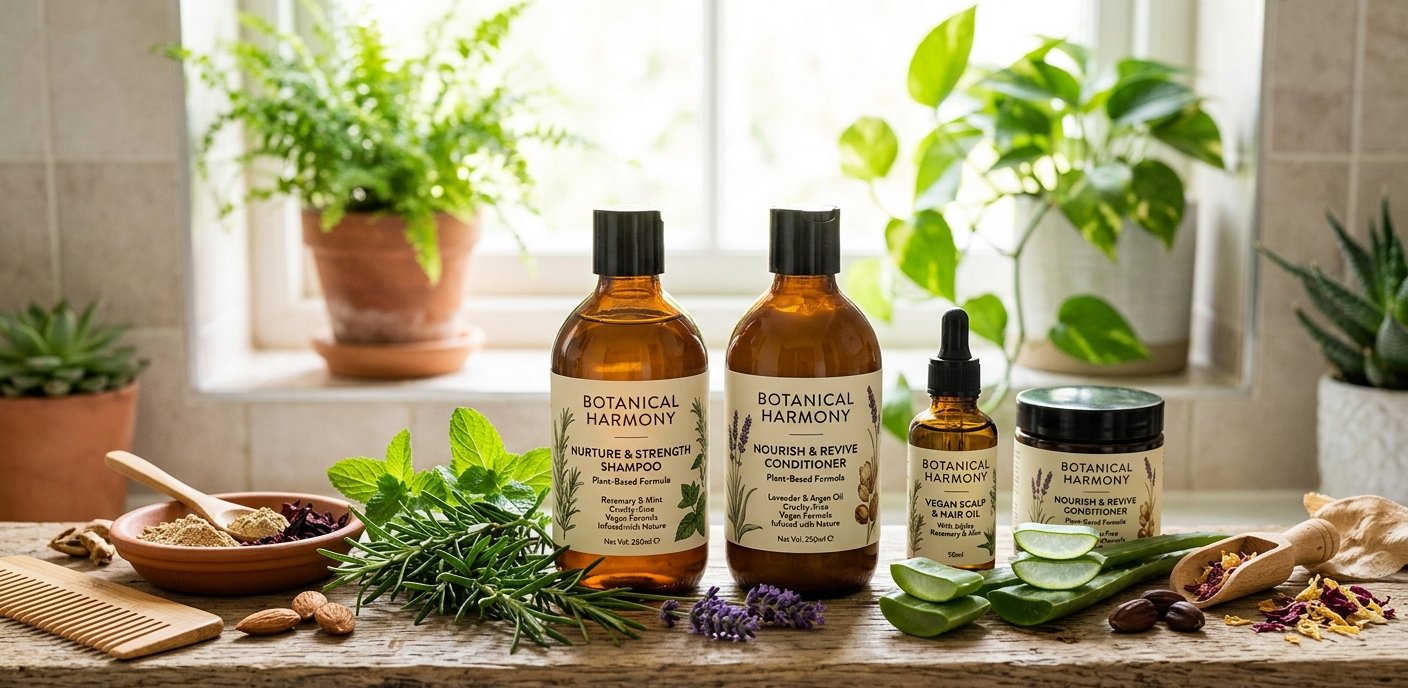
Hair has a way of telling the truth about how we live. Dull strands, persistent breakage, an itchy scalp that won't settle down—these are rarely random. More often, they're the cumulative effect of harsh sulfates, synthetic fragrances, and silicone-laden formulas that coat the hair rather than nourish it. This is exactly why so many people are walking away from conventional shampoo aisles and turning toward something gentler, smarter, and rooted in nature itself.
Effective plant base haircare products has moved from niche wellness shelves into mainstream bathrooms, and for good reason. It's not a fleeting trend driven by clever packaging or marketing buzzwords. It reflects a genuine shift in how people think about what they put on their bodies. Hair, after all, is porous. It absorbs what touches it, for better or worse. Choosing botanical, plant-derived formulations means choosing ingredients your scalp can actually recognize and use.
What Does "Plant-Based" Really Mean for Hair Care?
The term gets used loosely, so it's worth clarifying. Genuine plant-based formulations rely on botanical extracts, cold-pressed oils, herbal infusions, and naturally derived surfactants instead of petroleum-based chemicals, parabens, phthalates, and synthetic dyes. Think aloe vera, argan oil, rosemary extract, hibiscus, fenugreek, amla, and shea butter—ingredients that have supported hair health for centuries across different cultures, long before laboratories started bottling them into mass-market products.
A good plant based haircare line doesn't just swap one ingredient for a "natural" sounding alternative and call it a day. It's built around a philosophy: work with the scalp's biology, not against it. The scalp has its own microbiome, a delicate ecosystem of bacteria and fungi that influence everything from dandruff to hair growth. Harsh detergents disrupt this balance. Botanical formulations, particularly those rich in probiotics, plant enzymes, and natural emollients, tend to support it instead.
The Science Behind Botanical Hair Ingredients
Skepticism is healthy, especially in an industry full of greenwashing. So let's talk about what actually happens at the ingredient level.
Rosemary extract, for instance, has gained serious traction—not because of social media hype alone, but because of legitimate research suggesting it may support circulation at the scalp level, potentially encouraging healthier follicle activity. Compare that to minoxidil, a common synthetic treatment, and several studies have found rosemary oil performs comparably for some users, with far fewer side effects like scalp irritation.
Aloe vera is another workhorse. It contains enzymes that gently remove dead skin cells from the scalp, plus it's deeply hydrating without leaving residue. People with oily roots and dry ends—a frustratingly common combination—often find aloe-based formulas strike the right balance because it moisturizes without weighing hair down.
Then there's fenugreek seed, packed with proteins and nicotinic acid, traditionally used in South Asian hair rituals to strengthen strands and reduce shedding. Amla (Indian gooseberry) brings a concentrated dose of vitamin C and antioxidants, which help fight oxidative stress—one of the lesser-discussed but very real contributors to premature graying and brittle hair.
Even something as simple as coconut oil has been studied for its unique molecular structure, which allows it to penetrate the hair shaft rather than just sitting on the surface like many synthetic conditioning agents. This is the difference between coating hair and actually nourishing it from within.
Why People Are Switching: The Real Motivations
It's rarely just one reason. Usually it's an accumulation of small dissatisfactions with conventional products, combined with growing awareness of ingredient transparency.
Sulfates like sodium lauryl sulfate are excellent at creating lather, but they're also notoriously stripping. They remove natural sebum so aggressively that the scalp often overcompensates by producing even more oil, creating a frustrating cycle of over-washing and excess grease. Switching to sulfate-free, plant-derived cleansers—often using coconut-derived surfactants or saponins from soap nuts—breaks this cycle for many people within just a few weeks.
Then there's the issue of silicones. They create that instant smoothness you feel in the shower, but they build up over time, eventually making hair feel weighed down and lifeless, while also blocking other beneficial ingredients from actually penetrating the strand. Botanical conditioning agents, like shea butter or plant-derived ceramides, offer slip and softness without this cumulative buildup problem.
There's also a broader environmental and ethical motivation. Sustainable, plant based haircare products are frequently cruelty-free, biodegradable, and packaged with recyclability in mind. For a growing number of consumers, especially younger ones, this isn't a secondary consideration—it's often the deciding factor between two otherwise similar products.
Key Ingredients to Look For
Not all "natural" labels are created equal, so understanding which botanical ingredients actually deliver results matters.
Argan oil, often called liquid gold, is rich in vitamin E and essential fatty acids, making it excellent for taming frizz and adding shine without greasiness. Jojoba oil closely mimics the scalp's natural sebum, which makes it incredibly well-tolerated even by sensitive skin types, and it helps regulate oil production rather than adding to it.
Hibiscus flower extract is gaining recognition for its mucilage content, which creates a natural slip that's excellent for detangling, while also containing amino acids that support keratin structure—the very protein hair is made of. Tea tree oil, with its natural antimicrobial properties, is frequently used in scalp-focused formulas to address dandruff and itchiness without resorting to harsh synthetic antifungals.
Biotin-rich botanicals, often derived from sources like horsetail extract, support the keratin infrastructure of hair strands from a nutritional angle. And green tea extract, loaded with catechins and antioxidants, helps protect hair from environmental stressors like UV exposure and pollution—something particularly relevant for anyone living in urban environments.
When reading labels, look beyond just the presence of these ingredients; their concentration and position on the ingredient list matter. A product with rosemary extract listed near the bottom likely contains a negligible amount compared to one where it appears within the first five ingredients.
How to Choose the Right Plant-Based Products for Your Hair Type
This is where a lot of people go wrong—assuming that "natural" automatically means "right for me." Hair type, scalp condition, and specific concerns should guide ingredient selection.
For fine, oil-prone hair, lighter botanical oils like jojoba or grapeseed work better than heavier options like castor or coconut oil, which can weigh strands down. For coarse, curly, or textured hair, richer emollients like shea butter, avocado oil, and mango butter provide the moisture retention these hair types typically need, since they tend to be more porous and prone to dryness.
If dandruff or scalp irritation is the primary concern, look for formulas centered on tea tree oil, neem extract, or salicylic acid derived from willow bark—a natural alternative to synthetic salicylic acid that offers similar exfoliating benefits. For those dealing with thinning hair or excessive shedding, rosemary, peppermint, and saw palmetto extracts have shown promise in supporting a healthier growth environment.
Color-treated hair benefits enormously from antioxidant-rich botanicals like green tea or pomegranate extract, which help slow color fade caused by oxidative damage, alongside gentle, sulfate-free cleansing that won't strip vibrancy prematurely.
Building a Complete Plant-Based Hair Care Routine
A single great shampoo won't undo years of damage or deliver transformative results on its own. Consistency across an entire routine matters more than any single hero product.
Start with a botanical cleanser suited to your scalp's specific needs—oily scalps benefit from clarifying ingredients like apple cider vinegar or citrus extracts, while dry scalps need creamier, more emollient-rich formulas. Follow with a plant-derived conditioner focused on your mid-lengths and ends, since applying heavy conditioners directly to roots can lead to limp, flat results, especially for finer hair types.
Weekly or biweekly, a deep conditioning hair mask using ingredients like avocado, banana, or hibiscus can provide intensive moisture and protein support that daily products simply can't deliver. For those dealing with frizz or seeking added shine, a lightweight leave-in treatment with argan or marula oil applied to damp hair locks in moisture before it evaporates.
Scalp care deserves its own dedicated attention, separate from hair care itself. A botanical scalp serum or oil treatment, massaged in weekly, can stimulate circulation, balance the microbiome, and address concerns like flaking or excess oil production at the source rather than just managing symptoms further down the strand.
Common Myths About Plant-Based Hair Care
A few misconceptions deserve clearing up. First, "natural" doesn't automatically mean "gentle" or "allergen-free." Some botanical extracts, particularly essential oils like peppermint or tea tree, can cause irritation in concentrated forms, especially for sensitive scalps. Patch testing still matters, regardless of how clean the ingredient list looks.
Second, plant-based products aren't always less effective than synthetic alternatives—a myth that persists despite mounting evidence to the contrary. Many botanical actives have been rigorously studied and shown comparable, sometimes superior, results to their synthetic counterparts, particularly for scalp health and long-term hair strength.
Third, there's a misconception that switching to plant-based products will work instantly. Hair, much like skin, often goes through a transition period—sometimes called a "detox phase"—as it adjusts to the absence of silicone buildup and sulfate stripping. This can take anywhere from two to six weeks before the real benefits become noticeable.
The Growing Industry Around Botanical Hair Solutions
The market reflects this shift clearly. Brands are increasingly transparent about sourcing, often highlighting whether ingredients are organically farmed, sustainably harvested, or fair-trade certified. This transparency extends to packaging too, with many companies moving toward refillable containers, biodegradable materials, and reduced plastic use across their entire product lines.
Formulation science has also caught up significantly. Early plant-based products sometimes struggled with shelf stability or had to rely on synthetic preservatives to remain safe for use, undermining their "natural" positioning somewhat. Modern formulations increasingly use plant-derived preservation systems, like radish root ferment, that maintain product integrity without compromising the overall botanical profile.
Conclusion
The shift toward plant based haircare isn't a passing fad—it reflects a deeper, more informed understanding of what genuinely supports healthy hair over the long term. From rosemary's circulation-boosting properties to aloe vera's gentle hydration and fenugreek's strengthening proteins, botanical ingredients offer real, research-backed benefits without the long-term drawbacks associated with sulfates, silicones, and synthetic additives.
Choosing the right plant-based routine means understanding your specific hair type and scalp needs, reading ingredient labels critically rather than relying on marketing claims alone, and giving your hair adequate time to adjust to a cleaner, more natural approach. The results—stronger strands, a balanced scalp, and hair that feels genuinely healthy rather than just temporarily smooth—are well worth the transition.
As more people prioritize transparency, sustainability, and ingredient integrity in their personal care choices, plant-based hair care stands out not as a trend to watch, but as a long-overdue return to what has always worked: nature, thoughtfully formulated for modern needs.
Comments
Log in or sign up to join the conversation.