

Types of CNC Cutting Tools and Their Role in Modern Manufacturing
Modern manufacturing operations cannot be done without high levels of precision, accuracy, and efficiency. Irrespective of whether the manufacturing operation involves making automotive parts, aerospace parts, medical parts, or any other type of machinery component, machining operations need efficient cutting solutions. This is when using a CNC tool comes in handy.
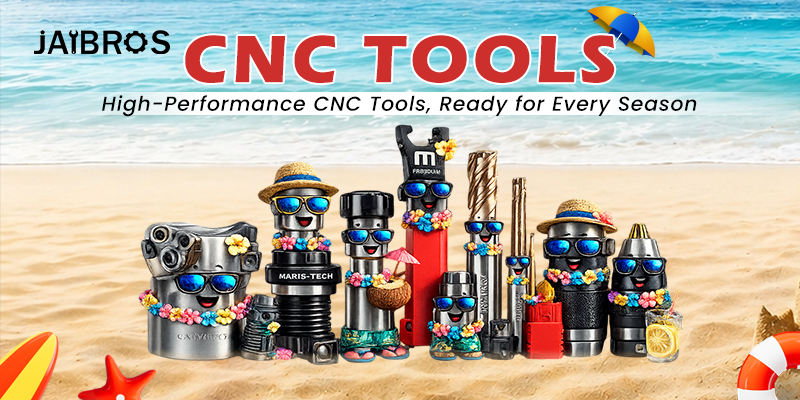
CNC machining has played a crucial role in the development of modern manufacturing operations through the automation of complex cutting processes. Nevertheless, even the best CNC machine will not operate without an efficient tool that meets the needs of the machining process. Whether the task requires drilling, milling, tapping, or chamfering, proper tool choice determines the outcome of the process.
What Is a CNC Tool?
A CNC cutting tool refers to a unique device that is specifically made for use within a CNC machine to remove excess material from the work piece. Some of the machining processes carried out by these devices include milling, drilling, turning, threading, chamfering, and boring among others.
Some of the benefits of good CNC tools include:
High accuracy
Increased speed
Improved surface finish
Consistency in quality
Minimized waste
Tool selection varies according to different factors.
Importance of CNC Tools in Manufacturing
Manufacturing industries depend on tooling solutions to maintain quality standards and production efficiency.
Precision Machining
Accurate tooling ensures components meet exact specifications and tolerances.
Improved Productivity
Advanced tooling designs reduce machining time and improve throughput.
Cost Reduction
Efficient cutting reduces tool wear, minimizes downtime, and lowers operational expenses.
Better Product Quality
Proper tooling contributes to improved dimensional accuracy and superior surface finishes.
Without the right CNC tool, manufacturers may face quality issues, increased costs, and reduced production efficiency.
Common Types of CNC Tools
Different machining operations require specialized tooling solutions.
End Mills
End mills are among the most frequently employed CNC milling cutters. These tools can be used for profiling, slotting, contouring, and finishing purposes.
Carbide Drills
A carbide drill is popularly used for drilling holes into metals, composites, and engineered plastics. Carbide drills tend to outlast other drills when it comes to longevity and wear resistance.
It is common for manufacturing firms to use carbide drills due to their high quality and longevity.
Thread Milling Tools
A thread mill is used to create internal and external threads through circular interpolation. Unlike tapping, thread milling provides greater flexibility and improved control over thread dimensions.
A thread mill is particularly useful when machining expensive materials, where tool breakage can be costly.
Chamfer Tools
A chamfer tool is used to create beveled edges on machined components. Chamfering improves safety, assembly, and overall product appearance.
Many manufacturers use a chamfer tool to remove sharp edges and prepare parts for assembly or welding.
Reamers
Reamers are used to improve hole accuracy and surface finish after drilling operations.
Boring Tools
These tools enlarge existing holes while maintaining dimensional accuracy.
Understanding Tool Holders and Drill Chucks
Tool holding systems play a critical role in machining performance.
What Are Drill Chucks?
Drill chucks are mechanical devices used to securely hold drilling tools during machining operations.
Quality drill chucks help ensure:
Better concentricity
Reduced vibration
Improved accuracy
Enhanced tool life
Manufacturers often invest in premium drill chucks to maximize machine performance and maintain precision during drilling operations.
How to Select the Best CNC Tools
Choosing the right tooling requires careful evaluation of multiple factors.
Workpiece Material
Different materials require different cutting geometries and coatings.
Examples include:
Aluminum
Stainless steel
Titanium
Cast iron
Tool steel
Machine Capability
Tool selection should match spindle speed, machine rigidity, and available horsepower.
Production Volume
High-volume manufacturing often requires premium tooling capable of maintaining consistent performance over long production runs.
Surface Finish Requirements
Applications requiring fine finishes may need specialized tooling geometries.
To achieve optimal results, manufacturers should focus on selecting the best CNC tools available for their specific application.
Investing in the best CNC tools often leads to lower operating costs and improved machining efficiency over time.
CNC Tools and Industry Applications
Automotive Industry
CNC machining is used to manufacture engine components, transmission parts, brake systems, and structural assemblies.
Aerospace Industry
Precision tooling is essential for machining lightweight alloys and high-performance aerospace materials.
Medical Industry
Manufacturers use CNC machining to create surgical instruments, implants, and precision medical components.
Energy Sector
The energy industry relies on CNC tooling for valves, turbines, pumps, and drilling equipment.
General Engineering
Countless industrial applications require reliable machining solutions to produce high-quality components.
Buying CNC Tools Online
Digital procurement has simplified the purchasing process for manufacturers.
Many professionals now prefer purchasing CNC tools online because it offers:
Wider product selection
Easy comparison of specifications
Competitive pricing
Faster procurement
Buying CNC tools online also allows manufacturers to access products from trusted tooling brands without geographical limitations.
Finding CNC Tools Near You
Some manufacturers still prefer local suppliers for immediate support and faster delivery.
Searching for CNC tools near me can help businesses locate nearby distributors, service providers, and tooling specialists.
Local sourcing often provides advantages such as:
Faster delivery
Technical support
Product demonstrations
Emergency replacement services
Many procurement teams regularly search for CNC tools near me when urgent tooling requirements arise.
Benefits of Using High-Quality CNC Tools
Increased Productivity
Advanced cutting geometries improve machining efficiency.
Longer Tool Life
Premium materials and coatings reduce wear.
Improved Surface Finish
Better tooling delivers cleaner and more accurate results.
Reduced Downtime
Reliable tooling minimizes interruptions and maintenance requirements.
Lower Production Costs
Efficient machining reduces waste and improves profitability.
A high-performance CNC tool can significantly contribute to achieving these benefits.
Future Trends in CNC Tooling
Manufacturing technology continues to evolve rapidly.
Key trends include:
Advanced carbide grades
Smart tool monitoring
AI-driven machining optimization
High-performance coatings
Digital tool management systems
These innovations are helping manufacturers improve efficiency while maintaining strict quality standards.
Conclusion
Selecting the right CNC tool is one of the most important decisions in any manufacturing operation. From drilling and threading to chamfering and finishing, the correct tooling solution can improve productivity, reduce costs, and enhance product quality. Understanding the various tool types, applications, and selection criteria allows manufacturers to make informed decisions that support long-term success.
For businesses looking for reliable CNC tooling solutions, Jaibrosoffers a wide range of precision-engineered products designed to meet modern machining requirements. From carbide drills and thread mills to chamfering tools and tool holders, Jaibros helps manufacturers achieve consistent performance, accuracy, and efficiency across a variety of industrial applications.
FAQs
1. What is a CNC tool used for?
A CNC tool is used to remove material from a workpiece during machining operations such as milling, drilling, threading, turning, and chamfering.
2. Why are carbide drills preferred in manufacturing?
Carbide drills provide longer tool life, higher cutting speeds, and better wear resistance compared to standard drill materials.
3. What is the purpose of a thread mill?
A thread mill is used to create precise internal and external threads while offering greater flexibility than traditional tapping methods.
4. How do drill chucks improve machining accuracy?
Drill chucks securely hold cutting tools, reducing runout and vibration while improving precision and tool life.
5. Where can I buy CNC tools for industrial applications?
Manufacturers can purchase CNC tools from authorized distributors, local suppliers, or trusted online tooling platforms.
Comments
Log in or sign up to join the conversation.