

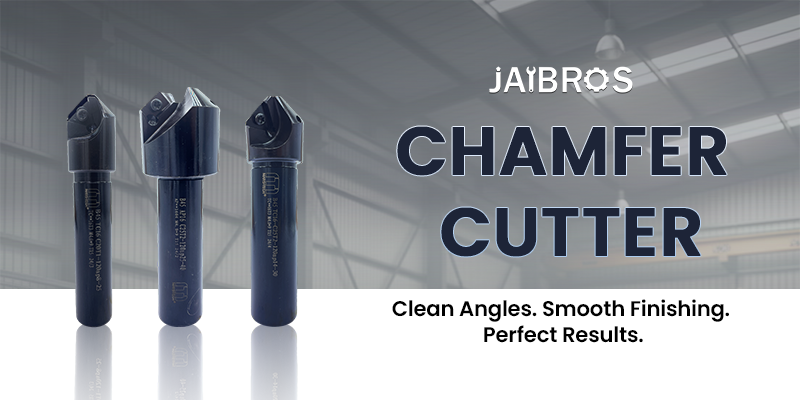
Complete Guide to Chamfering Tools: Types, Uses, and Benefits for CNC Machining
Precision machining requires more than just accurate dimensions. The quality of edges and surface finishes plays a significant role in the functionality, safety, and appearance of manufactured components. One machining process that contributes to these goals is chamfering.
Chamfering involves creating a bevelled edge between two surfaces of a workpiece. This simple yet essential operation helps eliminate sharp corners, improve assembly, and enhance the overall quality of machined parts. To perform this task efficiently, manufacturers rely on a chamfer tool.
Whether you work in aerospace, automotive manufacturing, metal fabrication, woodworking, or general engineering, understanding chamfering tools can help improve productivity and machining results. This guide covers everything you need to know, including tool types, applications, benefits, selection factors, and best practices.
What Is a Chamfering Tool?
A chamfering tool is a cutting instrument designed to create angled edges on a workpiece. Instead of leaving a sharp 90-degree corner, the tool removes material at a specified angle to form a bevel.
Chamfers are commonly applied to:
Remove sharp edges
Improve safety
Prepare parts for assembly
Improve aesthetics
Facilitate welding operations
Reduce stress concentration
The process can be performed manually or through automated CNC equipment depending on production requirements.
Why Chamfering Matters in CNC Machining
Many people view chamfering as a finishing operation, but its benefits extend far beyond appearance.
Improved Safety
Sharp metal edges can cause injuries during handling and assembly. Chamfering eliminates these risks by creating smooth transitions.
Better Component Assembly
Chamfered edges help guide mating components into place, reducing assembly time and minimizing alignment issues.
Enhanced Product Quality
Products with clean and consistent edges appear more professional and meet higher quality standards.
Reduced Material Stress
Sharp corners often become stress concentration points. Chamfered edges help distribute loads more evenly.
Improved Surface Finishing
Coatings, paints, and surface treatments often adhere better to properly finished edges.
Common Applications of Chamfering Tools
Chamfering tools are used in numerous industries and manufacturing environments.
Edge Breaking
One of the most common applications is removing sharp corners left after machining.
Deburring
Machining processes frequently create burrs. Chamfering helps eliminate these unwanted imperfections.
Countersinking
Chamfering prepares holes for fasteners such as flat-head screws.
Weld Preparation
Beveled edges improve weld penetration and joint strength.
Decorative Finishing
Certain products use chamfers to enhance visual appeal and provide a premium appearance.
Thread Entry Preparation
Chamfered openings make it easier to start screws, bolts, and threaded components.
Types of Chamfering Tools
Selecting the correct tool depends on the application and machining requirements.
Standard Chamfer Mills
These are widely used for creating angled edges and removing burrs. They are available in multiple sizes and angles.
Countersink Tools
Countersinks create conical openings that allow screw heads to sit flush with the surface.
Spotting and Chamfer Combination Tools
These tools perform spotting and chamfering in a single operation, improving efficiency.
Indexable Chamfering Tools
Designed for high-volume production, these tools use replaceable inserts to reduce tooling costs.
Back Chamfering Tools
A back chamfer tool is designed to machine difficult-to-reach internal surfaces. These tools are commonly used in aerospace, hydraulic systems, and precision engineering applications.
Understanding Chamfer Angles
Chamfer angles vary depending on the application.
Common angles include:
30°
45°
60°
90°
The 45-degree angle is the most frequently used because it works well for general edge finishing and assembly preparation.
Always follow engineering specifications when selecting a chamfer angle.
Tool Materials Used in Chamfering
Tool material significantly affects cutting performance and durability.
High-Speed Steel (HSS)
Advantages include:
Lower cost
Good toughness
Suitable for light-duty machining
However, HSS tools generally wear faster than carbide tools.
Solid Carbide
Carbide tools offer:
Longer tool life
Higher cutting speeds
Better wear resistance
Improved productivity
For most CNC applications, carbide is the preferred option.
CNC Chamfering Operations
Modern manufacturing increasingly relies on automated chamfering solutions.
A dedicated chamfer tool cnc setup provides several advantages:
Consistent quality
High repeatability
Faster production cycles
Reduced operator intervention
Improved dimensional accuracy
CNC-controlled chamfering is especially valuable when producing large quantities of precision components.
Chamfering on Lathes
Turning operations often require edge finishing after machining cylindrical components.
A chamfer tool lathe is designed specifically for creating beveled edges during turning operations. These tools help improve part appearance, remove burrs, and prepare components for assembly.
Common applications include:
Shafts
Bushings
Fasteners
Threaded components
Precision turned parts
Lathe chamfering can often be completed during the primary machining cycle, reducing secondary operations.
Chamfering in Woodworking
Although commonly associated with metalworking, chamfering is also widely used in woodworking.
A chamfer tool for wood helps create decorative and functional beveled edges on furniture, cabinets, doors, and architectural elements.
Benefits in woodworking include:
Improved aesthetics
Reduced splintering
Better edge durability
Enhanced product value
Woodworkers frequently use routers and specialized cutters to achieve clean chamfered profiles.
Factors to Consider When Selecting a Chamfering Tool
Choosing the right tool can significantly impact machining performance.
Workpiece Material
Different materials require different cutting geometries and coatings.
Examples include:
Aluminum
Steel
Stainless steel
Titanium
Plastics
Wood
Chamfer Size
The required chamfer dimensions influence tool diameter and geometry selection.
Machine Capability
Tool selection should match spindle speed, machine rigidity, and available tooling systems.
Production Volume
High-volume production often benefits from indexable tooling solutions.
Surface Finish Requirements
Applications requiring premium finishes may require specialized geometries and coatings.
Selecting the proper chamfer tool ensures optimal performance and longer tool life.
Benefits of Using Chamfering Tools
The advantages of chamfering extend throughout the manufacturing process.
Increased Productivity
Efficient tooling reduces machining time and minimizes secondary finishing operations.
Improved Product Consistency
Proper tooling ensures repeatable results across production batches.
Lower Manufacturing Costs
Reduced rework and longer tool life help lower overall production expenses.
Enhanced Safety
Removing sharp edges protects workers and end users.
Better Component Performance
Chamfered parts often assemble more easily and experience lower stress concentrations.
A high-quality chamfer tool contributes directly to achieving these benefits.
Best Practices for Chamfering Operations
Following proper machining practices helps maximize productivity and quality.
Use Correct Speeds and Feeds
Follow manufacturer recommendations to achieve optimal performance.
Monitor Tool Wear
Regular inspection helps prevent poor surface finishes and dimensional inaccuracies.
Maintain Proper Coolant Flow
Coolant reduces heat buildup and extends tool life.
Ensure Machine Rigidity
Stable setups reduce vibration and improve edge quality.
Use Quality Tool Holders
Proper tool holding improves accuracy and cutting performance.
Common Chamfering Mistakes
Avoiding common mistakes can save time and reduce production costs.
Using the Wrong Tool Geometry
Incorrect geometry may lead to poor finishes and excessive tool wear.
Ignoring Material Requirements
Tool selection should always match the workpiece material.
Excessive Cutting Speeds
Overly aggressive parameters can shorten tool life.
Poor Maintenance
Neglecting tool inspection often leads to inconsistent machining results.
Conclusion
Chamfering tool is an essential machining process that improves safety, functionality, appearance, and assembly performance. By understanding different tool types, applications, materials, and machining strategies, manufacturers can achieve superior results while improving productivity.
Whether you're performing basic edge breaking, advanced CNC finishing, or specialised tool chamfer operations, selecting the right tooling solution is critical for success. With proper planning and tool selection, chamfering can significantly enhance overall machining quality and operational efficiency.
Frequently Asked Questions
1. What is the purpose of a chamfering tool?
A chamfering tool creates beveled edges that improve safety, appearance, and assembly while reducing stress concentrations.
2. Which chamfer angle is most commonly used?
A 45-degree chamfer is the most common because it is suitable for general machining and assembly applications.
3. What is a back chamfer tool used for?
It is used to create chamfers on internal or difficult-to-access surfaces that standard tools cannot easily reach.
4. Can chamfering tools be used on wood?
Yes, specialized chamfering tools are commonly used in woodworking for decorative and functional edge finishing.
5. Why is CNC chamfering preferred in manufacturing?
CNC chamfering provides higher precision, repeatability, faster production, and improved quality consistency.
Comments
Log in or sign up to join the conversation.