

A research paper from Robeco concluded that the two best defensive strategies are trend and Defensive Absolute Return (DAR) which is a fairly new idea built of course on plenty of data, 220 year's worth from the Robeco paper. We've looked at trend a couple of hundred times so let's focus on DAR, what is it?
Basically, DAR goes short the equity factors with the highest correlation to a 60/40 portfolio and long the equity factors with the lowest correlation to a 60/40 portfolio all as an overlay. We'll use VBAIX as a proxy for 60/40.
I asked Grok to layout whatever factors it could find and build a table of correlations.
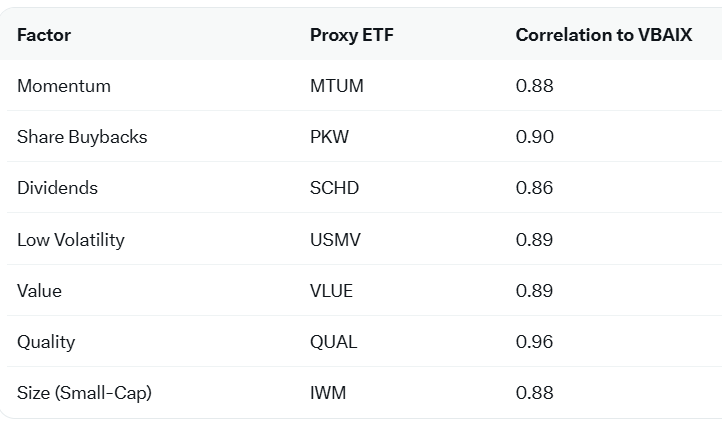
From that list, the obvious observation is that all the correlations seem pretty close to each other. Is this going to work? Here's how I tested DAR; with leverage, no leverage and then the Research Affiliates idea of blending momentum, quality and value in a long only fashion which seems like an effective way to use factors.
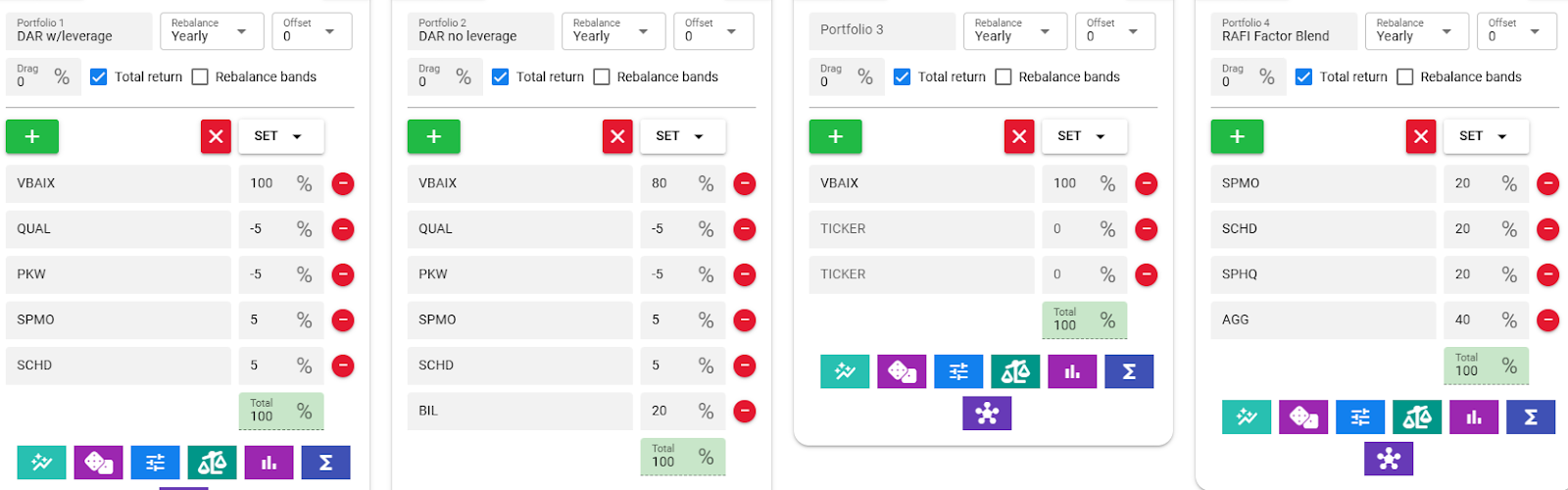
The time period is short to easier observe the 2020 Pandemic Crash and the 2022 bear market.
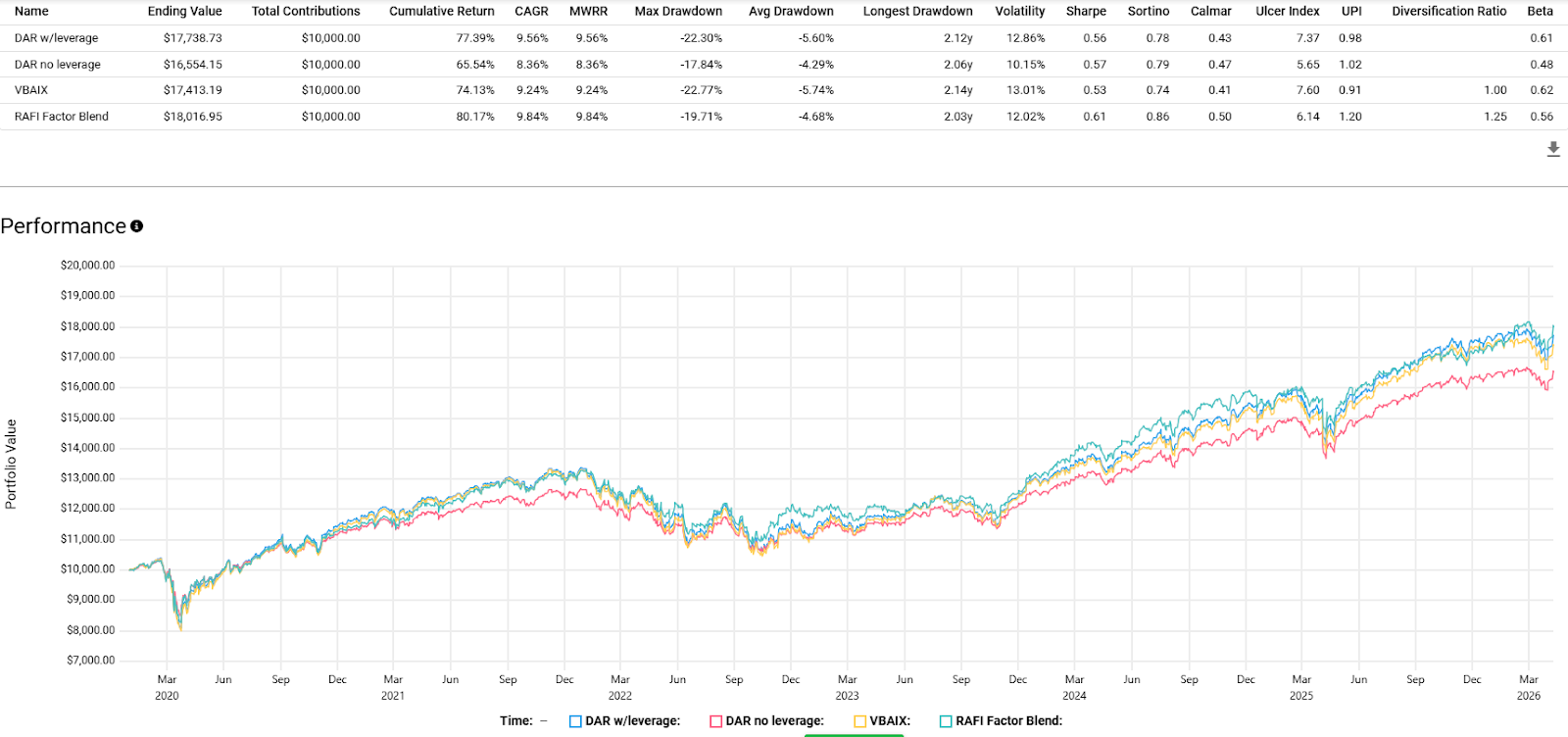
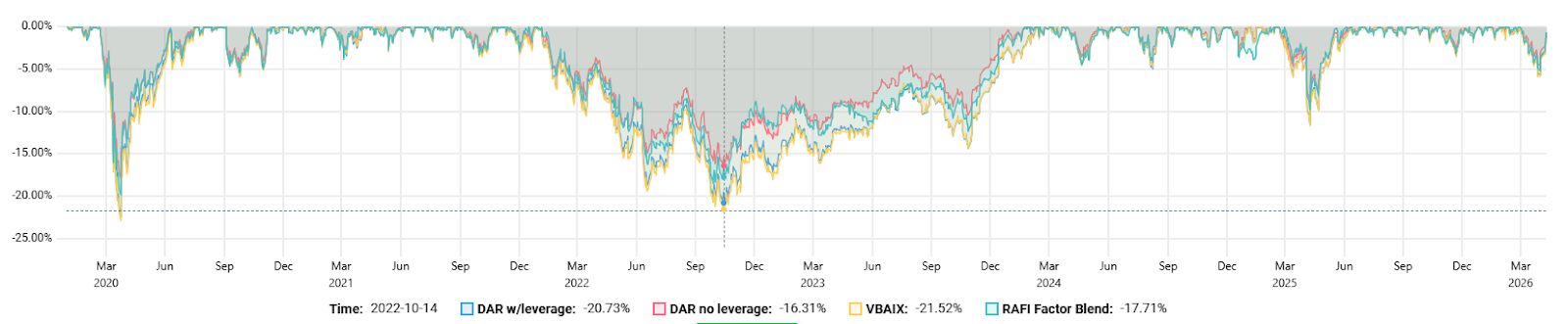
The drawdown screen grab hovers over the 2022 low and you can see both versions of DAR helped a little. At the low of the Pandemic Crash, the unlevered DAR was the best of the bunch, about 500 basis points better than VBAIX.
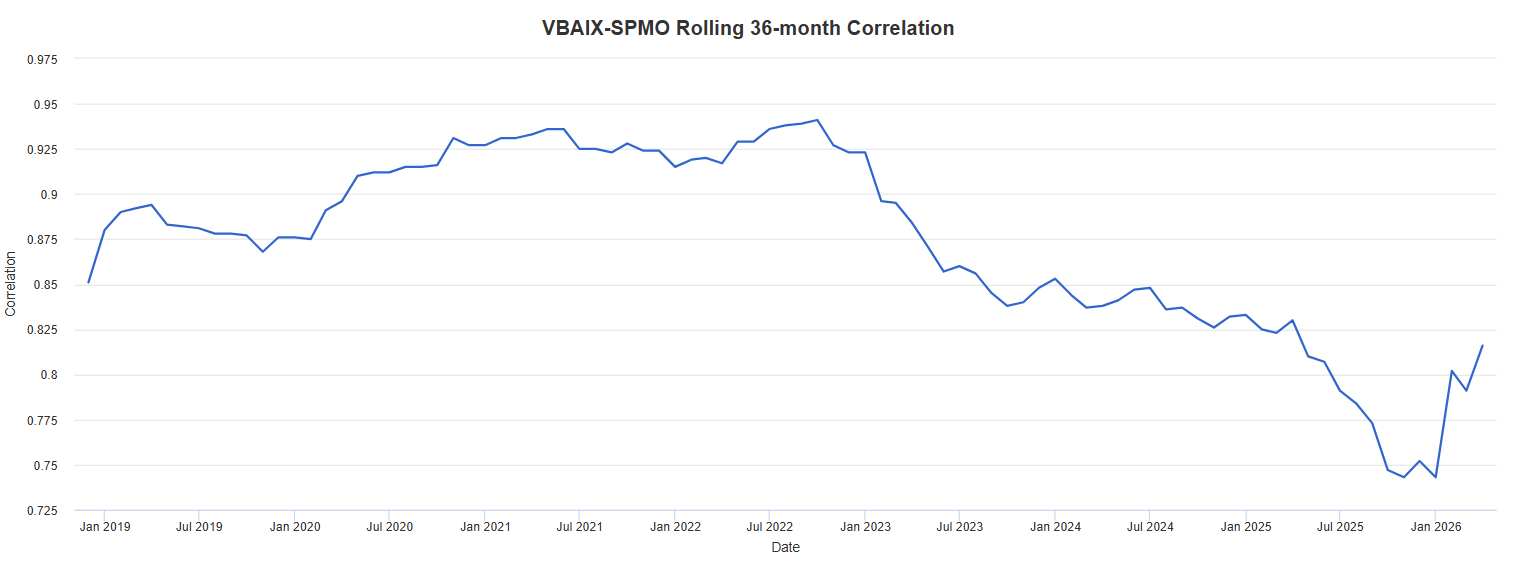
There might be something to it but I don't think it lends itself at this point being easily implemented with ETFs. VettaFi doesn't show any inverse factor funds available so anyone wanting to actually do this would need to be able to short the factor ETFs. This would also require monitoring correlations of the various factors as there can be volatility in correlations. The current level from Portfoliovisualizer is much different than what Grok found.


Comments
Log in or sign up to join the conversation.