

Hurricane Harvey is rocking gasoline prices and distillate prices. The market is viewing this as mainly a refining event. Yet with the nature of this storm changing and the possibility it will be a slow mover, it could spark not only refining issues but production levels as well. Not only could a slow-moving storm shut down offshore production, heavy flooding could impact on shore production as well.
Some shale fields are prone to flooding and are current shut-in in prep for Harvey. Industry sources say that it may take perhaps 2 months for some fields to come back on line if flooding is as bad as expected. Many shale fields in the Eagle Ford shale will flood and we may even see some impact in the Permian basin as well. Pipelines and are going to have production disruptions from this storm and terminals will be shut.

As I told WBBM radio I expect a spike in gasoline pump prices 15 to 25 cents a gallon. U.S. gasoline prices have risen almost 10 percent since Wednesday to a high of $1.74 a gallon, their highest since April as refiners shut down in preparation for the storm according to Reuters data. RBOB futures rose 7.65 cents a gallon before pulling back. The impact from the storm is also impacting cotton, rice, soybeans, bio-fuels. This storm should not be underestimated.
Wholesalers are jacking up product prices as that scramble to find supply to get ahead of refinery shutdowns. While we will see demand destruction after the storm we will see a surge as people try to get out of Dodge. The Port of Corpus Christi in Texas has been shut down and increased its hurricane readiness to "Port Condition One", the release said. Condition One means the port is officially closed for vessels to sail in and out of, said Patricia Cardenas, a PCCA spokeswoman. Power outages will weaken power demand but production shut-ins should offset it. Rains across the Gulf Coast shut down almost all oil imports into the Gulf of Mexico and ships will go out to sea to avoid the storm. We will see many more shut downs and evacuations throughout the day. This is what we know now but is subject to change and when you are reading this, it already has. Call be for updates and stay tuned to Fox Business for updates.
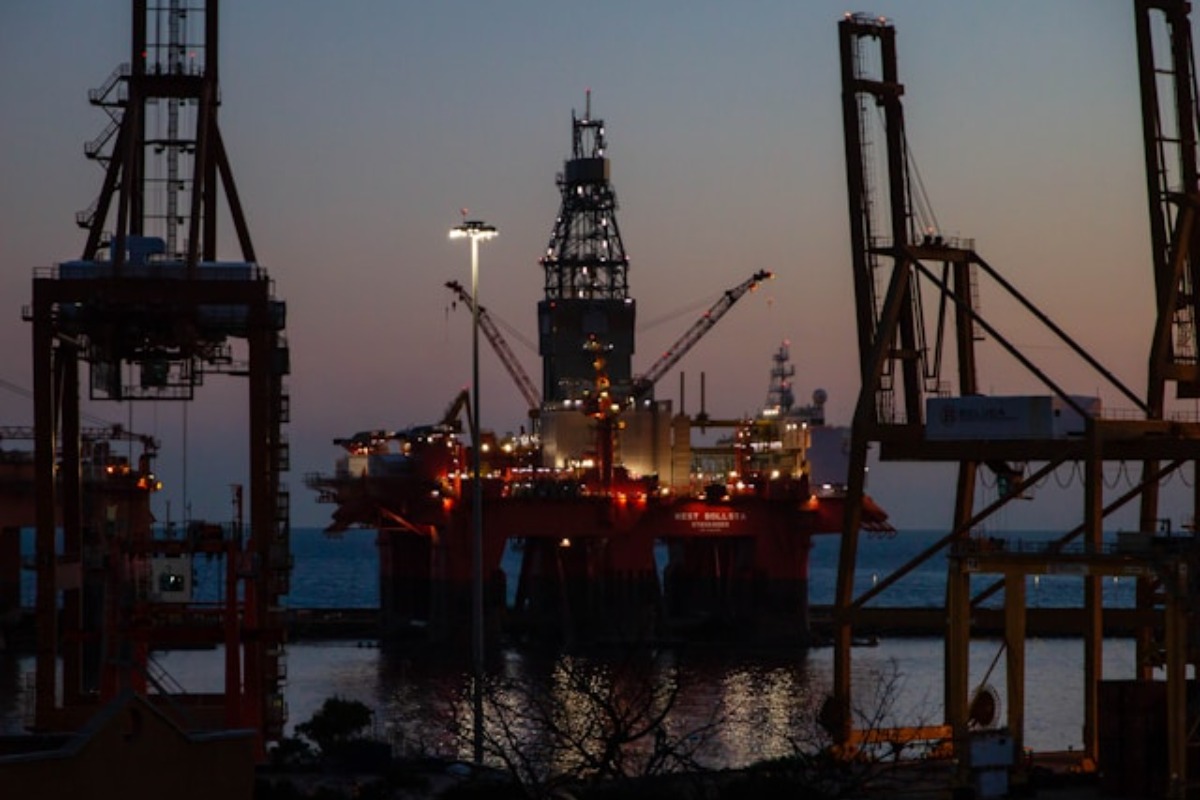
The Bureau of Safety and Environmental reported, based on data from offshore operator reports submitted as of 11:30 CDT yesterday, personnel have been evacuated from a total of 39 production platforms, 5.29% percent of the 737 manned platforms in the Gulf of Mexico. Production platforms are the structures located offshore from which oil and natural gas are produced. Unlike drilling rigs, which typically move from location to location, production facilities remain in the same location throughout a project’s duration.Personnel have been evacuated from one rig (non-dynamically positioned (DP) rig), equivalent to 10 percent of the 10 rigs of this type currently operating in the Gulf. Rigs can include several types of offshore drilling facilities including jackup rigs, platform rigs, all submersibles and moored semisubmersibles. No DP rigs have moved off location out of the storm’s path as a precaution. This number represents 0 percent of the 21 DP rigs currently operating in the Gulf. DP rigs maintain their location while conducting well operations by using thrusters and propellers, the rigs are not moored to the seafloor; therefore, they can move off location in a relatively short time-frame. Personnel remain onboard and return to the location once the storm has passed.
As part of the evacuation process, personnel activate the applicable shut-in procedure, which can frequently be accomplished from a remote location. This involves closing the sub-surface safety valves located below the surface of the ocean floor to prevent the release of oil or gas. During previous hurricane seasons, the shut-in valves functioned 100 percent of the time, efficiently shutting in production from wells on the Outer Continental Shelf and protecting the marine and coastal environments. Shutting-in oil and gas production is a standard procedure conducted by industry for safety and environmental reasons.
From operator reports, it is estimated that approximately 9.56 percent of the current oil production in the Gulf of Mexico has been shut-in, which equates to 167,231 barrels of oil per day. It is also estimated that approximately 0.04 percent of the natural gas production, or 1,135 million cubic feet per day in the Gulf of Mexico has been shut-in. The production percentages are calculated using information submitted by offshore operators in daily reports. Shut in production information included in these reports is based on the amount of oil and gas the operator expected to produce that day. The shut-in production figures therefore are estimates, which BSEE compares to historical production reports to ensure the estimates follow a logical pattern.
After the storm has passed, facilities will be inspected. Once all standard checks have been completed, production from undamaged facilities will be brought back on line immediately. Facilities sustaining damage may take longer to bring back on line. Shut-in oil 67,231 (BOPD 9.56% Shut gas in 1,135 (MMCFD) 0.04%.
The San Antonio Express says that EOG Resources, the largest oil producer in the Eagle Ford Shale in South Texas, said it was similarly securing its facilities and sending some of its workers to drier ground. “In certain high-risk areas, we evacuated non-essential personnel, suspended drilling operations, and shut-in production,” said EOG spokesman Creighton Welch. “We will continue to monitor the storm and evaluate if steps to suspend additional operations are needed.” San Antonio-based Pioneer Energy Services, an oil field service company, was also evacuating field employees from the region on Thursday.“ We are lowering masts where we can, moving equipment from low lying areas and shutting offices down to clear people out,” CEO Stacy Locke said in an email. Locke said the company didn’t want to wait to get employees out of the area because roads would get too crowded.
Goodbye natural gas cushion. The EIA reported that working gas in storage was 3,125 bcf as of Friday, August 18, 2017, according to EIA estimates. This represents a net increase of 43 bcf from the previous week. Stocks were 223 bcf less than last year at this time and 45 bcf above the five-year average of 3,080 bcf. At 3,125 bcf, total working gas is within the five-year historical range. This is bullish. It would have been more bullish if it were not for the potential impact from Hurricane Harvey.

Comments
Log in or sign up to join the conversation.