
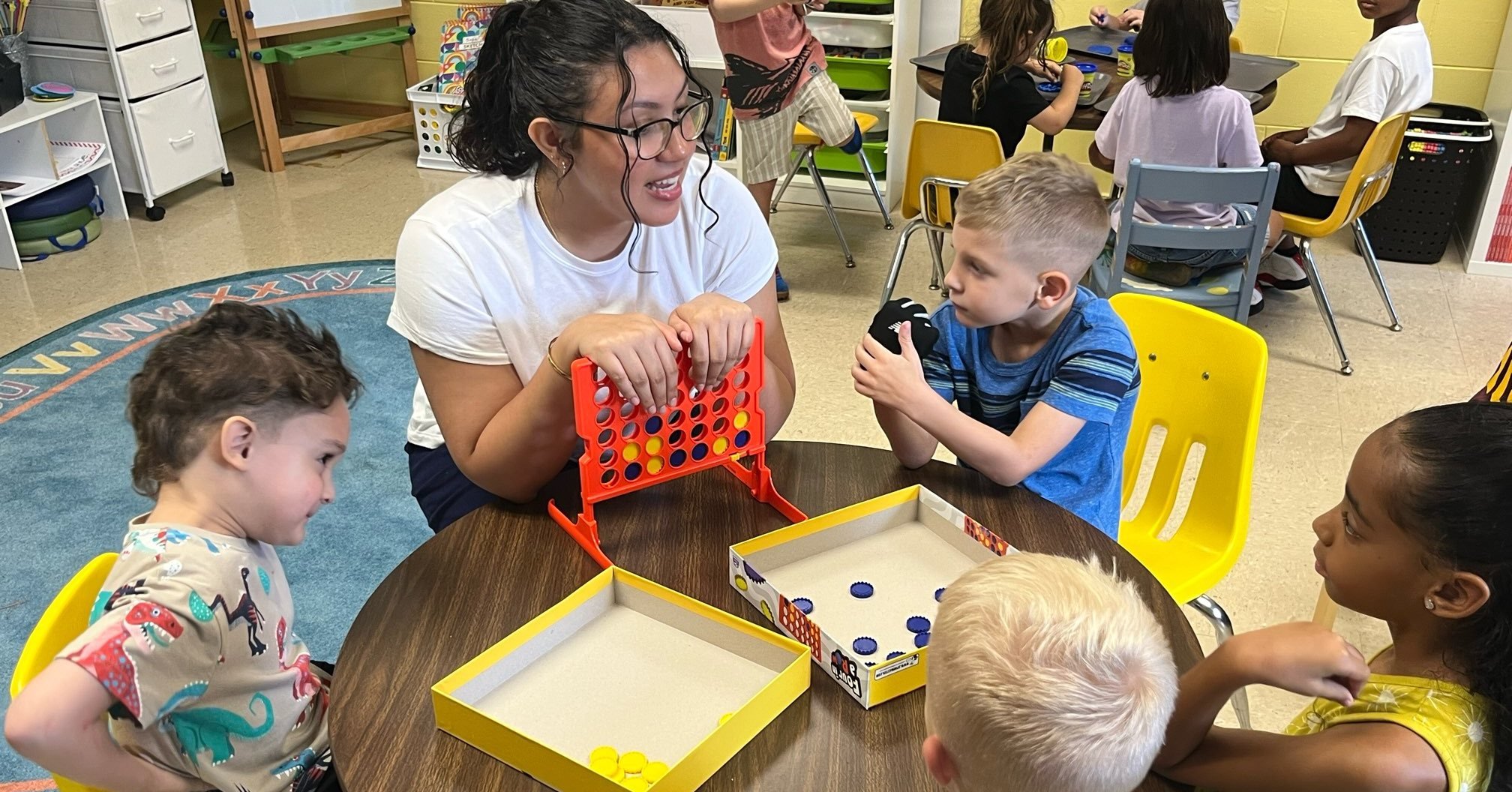
Families today are exploring educational opportunities that provide flexibility, personalized instruction, and meaningful academic experiences for their children. As parents evaluate different options, many come across homeschool hybrid schools that combine structured classroom learning with the freedom of home based education. This balanced approach helps students receive individualized support while allowing families to play an active role in the learning process.
Education is no longer limited to traditional classroom settings. Children have diverse learning styles, interests, and strengths that benefit from flexible teaching methods. Personalized education recognizes these differences and encourages students to progress according to their individual abilities rather than following a single pace for every learner.
One of the greatest advantages of flexible learning environments is the opportunity for individualized attention. Smaller learning groups enable educators to understand each student's needs more effectively and provide targeted guidance when necessary. Students receive encouragement that builds confidence while helping them overcome academic challenges through consistent support.
Learning becomes more engaging when students actively participate in lessons. Project based activities, collaborative discussions, research assignments, and practical experiences encourage learners to think critically and apply knowledge in meaningful ways. Instead of simply memorizing facts, students develop a deeper understanding of subjects through exploration and discovery.
Confidence grows naturally in educational settings where students feel valued and respected. Children who are comfortable asking questions and expressing their ideas become more willing to participate in discussions and accept new challenges. These experiences strengthen communication skills while promoting independence and self motivation.
Technology has become an important part of modern education by expanding access to valuable learning resources. Interactive educational platforms, digital research materials, and multimedia lessons provide additional opportunities for students to reinforce classroom instruction. When integrated thoughtfully, technology supports personalized learning without replacing meaningful interaction between educators and students.
Parents play a significant role in a child's educational success. Regular communication between families and educators helps maintain consistent expectations while allowing everyone to work toward common academic and personal goals. This partnership creates a supportive environment where students receive encouragement both at home and during structured learning experiences.
Creative thinking is another essential aspect of a well rounded education. Opportunities to write, design, build, create, and solve problems inspire students to develop original ideas and explore different perspectives. Creativity encourages innovation while helping learners discover interests that may influence future academic and career choices.
Critical thinking has become one of the most valuable skills students can develop. The ability to evaluate information, analyze situations, and make thoughtful decisions prepares learners for future challenges in higher education and professional environments. Educational programs that encourage reasoning help students become confident and responsible decision makers.
Time management and personal responsibility also improve through flexible learning models. Students learn to organize assignments, meet deadlines, and monitor their own progress while receiving guidance from educators and parents. These habits contribute to lifelong success by encouraging discipline and accountability.
Social development remains an important part of the educational experience. Collaborative projects, group discussions, extracurricular activities, and community involvement provide opportunities for students to develop teamwork, empathy, and leadership skills. Building positive relationships with peers contributes to emotional growth alongside academic achievement.
A strong educational foundation extends beyond test scores and classroom performance. Character traits such as perseverance, honesty, respect, and resilience help students navigate challenges throughout life. Learning environments that encourage both academic excellence and personal development prepare children for success in a rapidly changing world.
Choosing an educational path requires careful consideration of curriculum, teaching philosophy, student support, enrichment opportunities, and overall learning environment. Every family has different priorities, making it important to select an option that aligns with the child's needs and long term educational goals.
As education continues to evolve, more families are seeking learning environments that balance flexibility with academic quality. Personalized instruction, meaningful relationships, and engaging educational experiences help students develop confidence while fostering a lifelong love of learning. These qualities create a strong foundation for future achievement regardless of the path students choose.
Parents researching educational alternatives often compare microschools in florida while looking for programs that emphasize individualized instruction, academic growth, creativity, and supportive learning communities. Finding the right educational environment can inspire students to reach their full potential while developing the knowledge, character, and confidence needed for lifelong success.
Comments
Log in or sign up to join the conversation.