

The removal of inflation expectations - is not what the Federal Reserve sure intended; but it is what they've inadvertently accomplished, by monetary policy in recent years. That's because, absent substantial manufacturing renaissance, and solid as well as sustainable Middle Class economic revival, Fed recalcitrant moves and prolonged (former) rate suppression simply cycled funds to financial assets, and essentially restrained -if not drained- capital from the private sector.
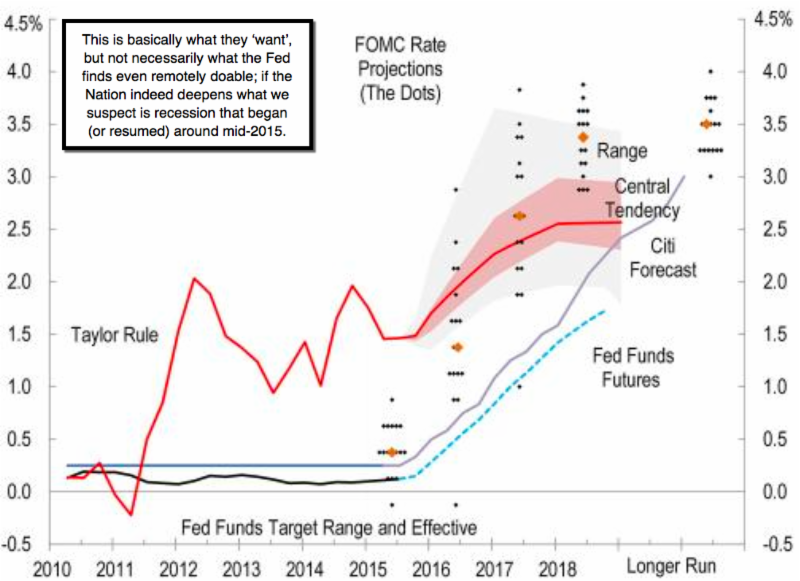
Doing that essentially 'dampened' the animal spirits of American business after the initial 'emergency' stimulus compelled a base, from which recovery started. But it was throttled by failure to remove urgent (by nature temporary) interest rate cuts, and needed to reverse recycled credit activity far earlier in this phase.
Just considering that the last Fed rate hike came 'before' the iPhone premiered gives you an idea how deep things slid, and how tepid and agonizingly slow the recovery has been. The irony will be if the Fed is actually 'right' even if delayed, because that would imply that an economic resurgence will gain speed mostly by being convinced the economy is healthier. Why convinced? Because data is sliding not improving (aside auto's and true beneficiaries of low rates); and now the nascent improvement in Housing permits better not hit a brick wall. The Fed in a sense is betting on an historically 'long cycle' of recovery while they totally ignore their own statistics which deny the argument we knew they'd make.
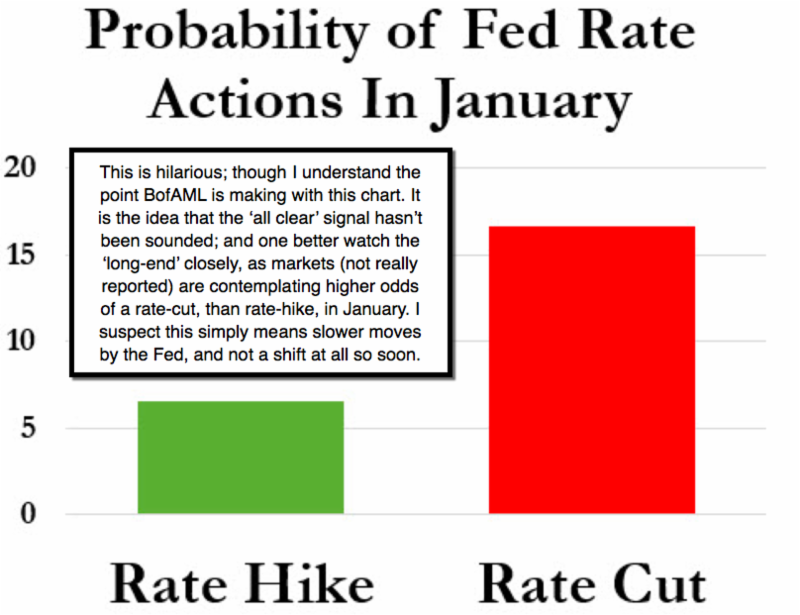
The history of Fed moves is 'not' that they move early before being tardy, which is what Chair Yellen said today. The history is that what she says is 'early' really is about as late as they could delay it. Furthermore, in an Election year, as we'd mentioned the other day, you have more voting members on the FOMC viewed as 'hawks', both of which are reasons to get off basically zero. And then there's a story barely noticed: Puerto Rico says they'll default likely early next week. Of course that doesn't fit today's narrative, so perhaps debt and indirect impacts of the move will have consequences, but those are still skirted for the most part.
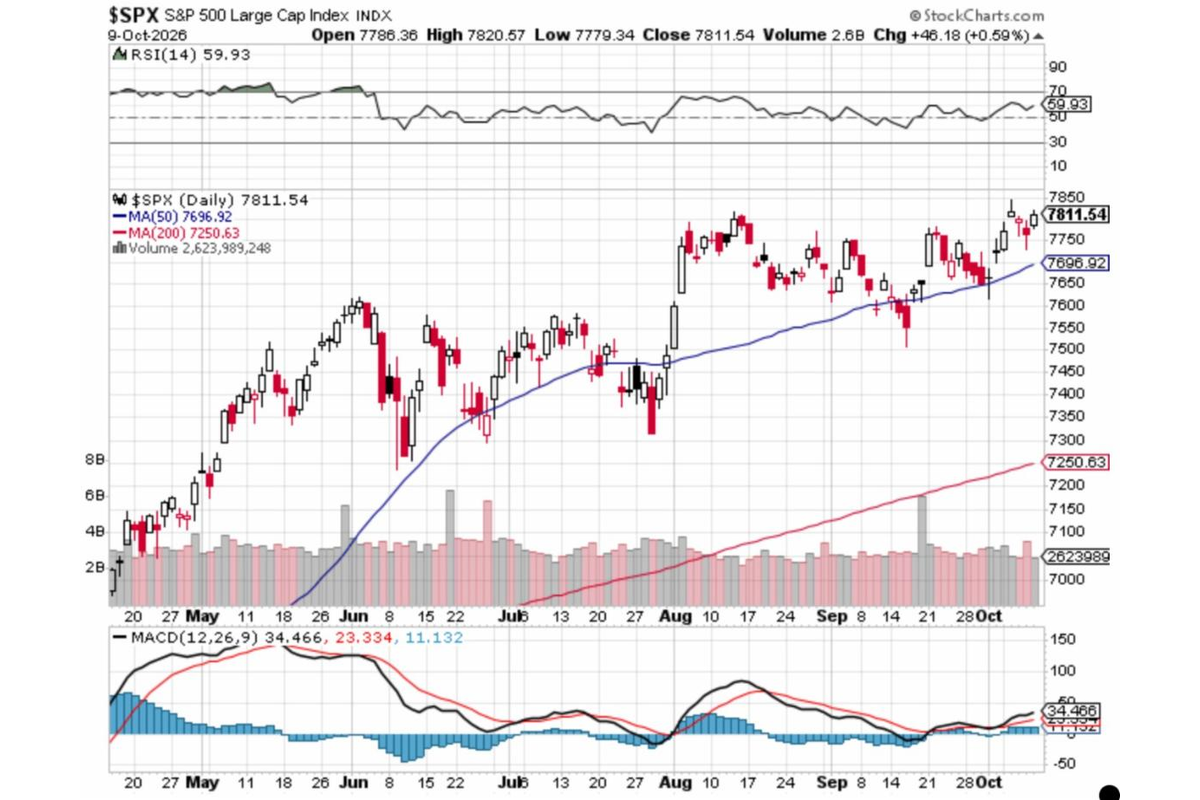
Now, the unintended consequence was that you found a Fed desiring inflation, after inadvertently prolonging deflation. If they get any of that in 2016, it could take the form of 'Stagflation', with slightly higher prices but limited jobs growth, as well as mediocre, or somewhat stagnant, overall economic behavior. Please refer to last night's charts (below) for a glance at the Funds rate over the years.

While that puts more pressure on forward 'debt service' without appreciable US Treasury income gains (taxes, etc.), and probably presses foreign currencies a bit more (continued competitive devaluations); it also dissuades any urgency to 'buy' or increase Capital Expenditures, both due to sluggish growth projections, as well as a realization that costs of goods won't be appreciably higher quickly.
That's not necessarily bad for citizens as far as 'costs of living', but doesn't help raise household incomes on-average, which generally is more important. (Folks don't worry so much about nominally higher prices if they're making lots more.)
Many strategists argue the Bull Market still ongoing; debating these prospects of becoming history's longest.

We'd reiterate a key technical and fundamental differential that increases downside risk beyond others: the internals of the market topped 'at the latest' back in July of 2015 as assessed then. That means the Fed rate hike, and upward 'wishes' are later in the game than any comparable (if anything's comparable) prior exhaustion phase of a bullish cycle.
Daily action - for Thursday, after the ETF ex-dividend reaction (likely nominal if barely detectable initially); immediately goes right into the Quarterly Expiration. We generally do not encourage aggressive trading amid Fed chaos like today; even though we did suggest that they would initially take this up (after the rapid trench-warfare in the immediate wake of the news).
Now, we are not either oversold nor overbought daily. In cross-currents like this, we 'might' fade (short) this if they spike this market briefly sharply higher in the morning. Otherwise we may be very limited as we work through Expiration, and bide our time before becoming aggressive. We're flat tonight of course.

One bit of delicacy around trading now concerns the 'year-end rally' tendencies that are unclear in a way. Technically the market's not 'yet' overbought; an era that began to change (tapering) months ago affirmed it today with 'price' to rent money (many prime rates followed, by raising a quarter-point, but many banks didn't offer an increase on deposit rates; suggesting an effort to enhance profit margins, which is perhaps part of why their shares firmed).
Now we have to migrate through Expiration, with the market unlikely to crumble immediately (at least not dramatically), and might well hang-in next week near Christmas. If it does then (as I've discussed before) many investors that desire to sell may tend to defer that into trades that settle in the new (tax) year, giving an extra year of time before any tax might be due. On the other hand, the weak sectors (any asset really) can still be sold to realize losses in this tax year. That tends to pull weak issues lower, especially if taxpayers can use those to offset gains elsewhere. Again year-end crosscurrents.


Aside all the point and counterpoints, I was amazed that a 'theme' emphasizing fear was at the forefront. I'd rather hear determination and grit, which was there among the contenders, but several of them perhaps got a bit overt with the fear aspect. Yes, we know there's risk; yes we know many of our agencies are overwhelmed or not as effective as they should be, but at the same time one shouldn't convey too much emotion to the public, lest people go more into cocooning than they already shows signs of.
France, to the 'shock' of a few visiting American reporters, imposed wartime or emergency edicts, and proceeded to mobilize, to disrupt, to investigate and yes to 'profile'; because that's what you do in wartime. Perhaps politicians would be better-off if they pointed-out that 'temporary measures' (not internment camps), especially where groups or mosques are being used to indirectly support action intended to undermine not only our security, but espouse any other system of laws, must be implemented, lest such groups move toward what is insurrection. A 'moderate' Muslim who is aware of 'things' going on but keeps quiet, even if not actively engaged in jihad, is actually aiding and abetting the enemy. That is sedition, is it not? And that is punishable by law if they're citizens; and if they're not citizens, isn't it grounds for imprisonment or deportation? Just curious.

Finally; late Wednesday, the SEC said they'll permit the temporary suspension of High-Yield Third Avenue Fund redemption; but they'll be subject to ongoing SEC oversight. Additionally they expressed 'concern' about liquidation plans.
Also tonight, Argentina lifted 'capital controls'. That should plunge the Peso for the short-run; ultimately stabilizing the country under their new Government as they try for yet-another in a series of historic recoveries over time.
And a footnote: VP Biden today called upon Turkey to 'withdraw' troops that are in Iraq, which aren't authorized by the Iraqi Government. Wow.. if those are the troops helping the Kurds (which itself would be odd) then Washington is again bowing to Baghdad, which has become a satellite of Tehran to quite an extent. Need to know more (just a headline so far); it may be a policy reversal that will not sit well, unless of course the Turks are meddling where they shouldn't.
Comments
Log in or sign up to join the conversation.