
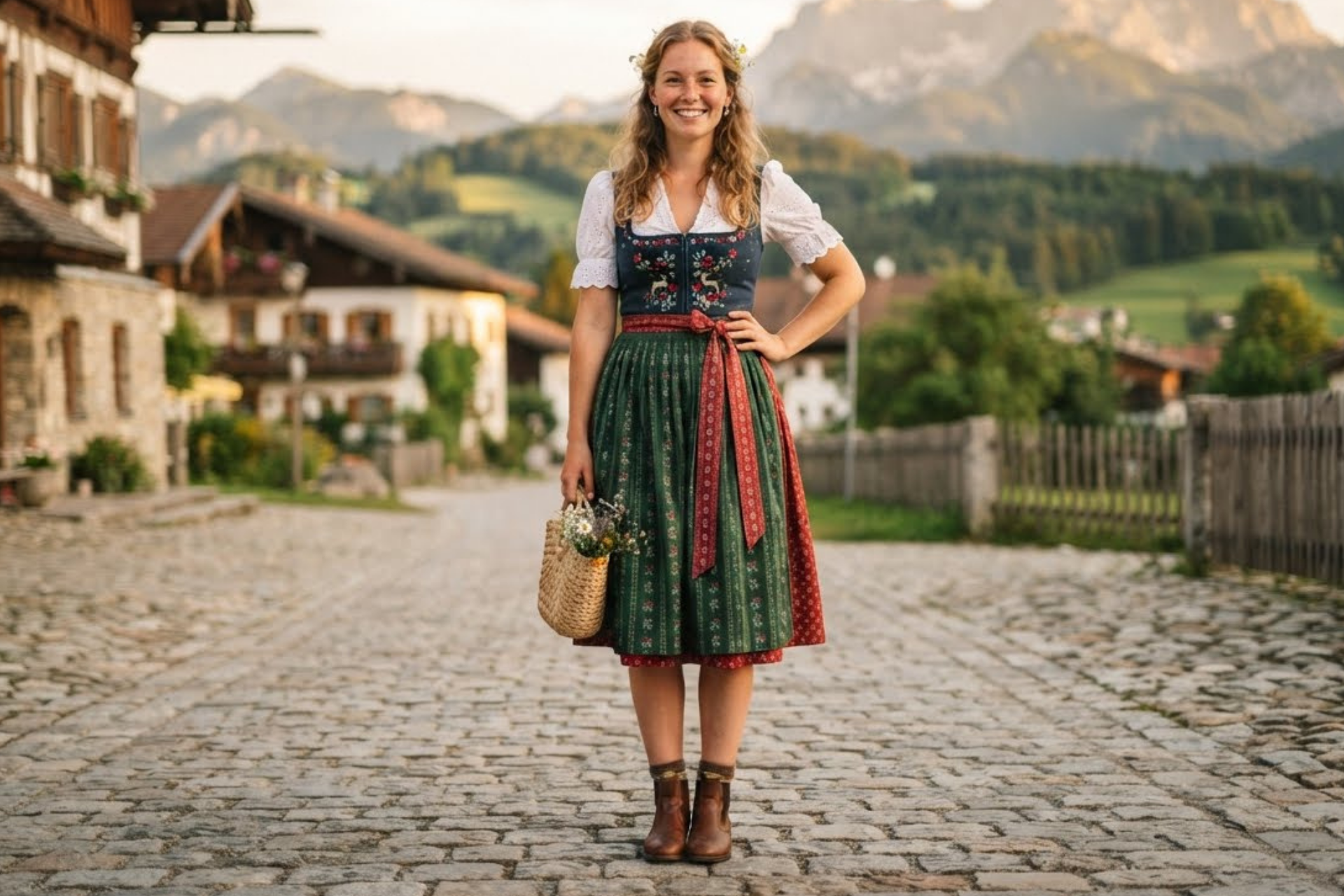
Traditional clothing doesn't have to sacrifice practicality for authenticity, and cotton proves this point clearly within German dirndl fashion. A cotton German dirndl dress offers a combination of breathability, durability, and easy maintenance that makes it genuinely practical for regular wear rather than a single special occasion each year, unlike more delicate luxury fabrics.
At Elederhosen, we design our cotton dirndls with this practicality front and center, ensuring every piece performs well beyond a single festival day. This article explores why cotton has remained such a practical fabric choice within German dirndl tradition and what makes it stand out from heavier, more delicate alternatives.
Why Practicality Matters in Traditional Clothing
Traditional garments were originally created for daily, functional use long before they became associated with festive or ceremonial occasions. Cotton dirndls carry this practical heritage forward, offering a fabric choice that reflects the garment's original working-class roots rather than only its later evolution into formal festival wear reserved for special occasions.
This practicality remains relevant today for entirely different reasons. Modern wearers benefit from cotton's easy care, breathability, and durability, all of which make it far more realistic to wear a dirndl regularly rather than saving it exclusively for rare, formal events throughout the year, allowing the garment to genuinely earn its place in a busy modern wardrobe.
Key Practical Benefits of Cotton Dirndls
Several specific qualities make cotton a genuinely practical choice for German dirndl construction.
Cotton is machine washable in most cases, unlike delicate silk or velvet alternatives.
The fabric holds up well to repeated wear without quickly losing its shape or color.
Cotton breathes naturally, making it comfortable across a wide range of temperatures.
Its relatively lower cost compared to luxury fabrics makes cotton dirndls more accessible overall.
How Cotton Simplifies Everyday Maintenance
Beyond initial comfort, cotton also simplifies the ongoing care a dirndl requires over its lifetime.
Machine washing on a gentle cycle is generally safe for well-constructed cotton dirndls.
Cotton tolerates more frequent washing than silk or velvet without significant damage.
Ironing cotton is straightforward compared to managing delicate pleats in heavier fabrics.
Stains are generally easier to treat on cotton than on more delicate, textured materials.
Practical Styling Advantages of Cotton
Cotton's practical nature extends into styling flexibility as well, making it easier to build multiple outfits around a single dress.
Cotton dirndls layer easily with cardigans, jackets, or blazers across different seasons.
The fabric pairs well with both casual and slightly more polished accessories.
Cotton's lighter weight makes it comfortable for extended wear during long events.
A single well-made cotton dirndl can transition between casual and semi-formal settings.
When Cotton Makes the Most Sense
While heavier fabrics suit certain formal occasions, cotton remains the more sensible choice in several common scenarios.
Everyday or casual wear benefits most from cotton's comfort and easy care.
Warm-weather festivals and outdoor events favor cotton's breathability over heavier alternatives.
First-time dirndl buyers often find cotton a more practical, lower-risk starting point.
Families with children attending festivals appreciate cotton's easier stain and wear resistance.
Balancing Practicality with Traditional Style
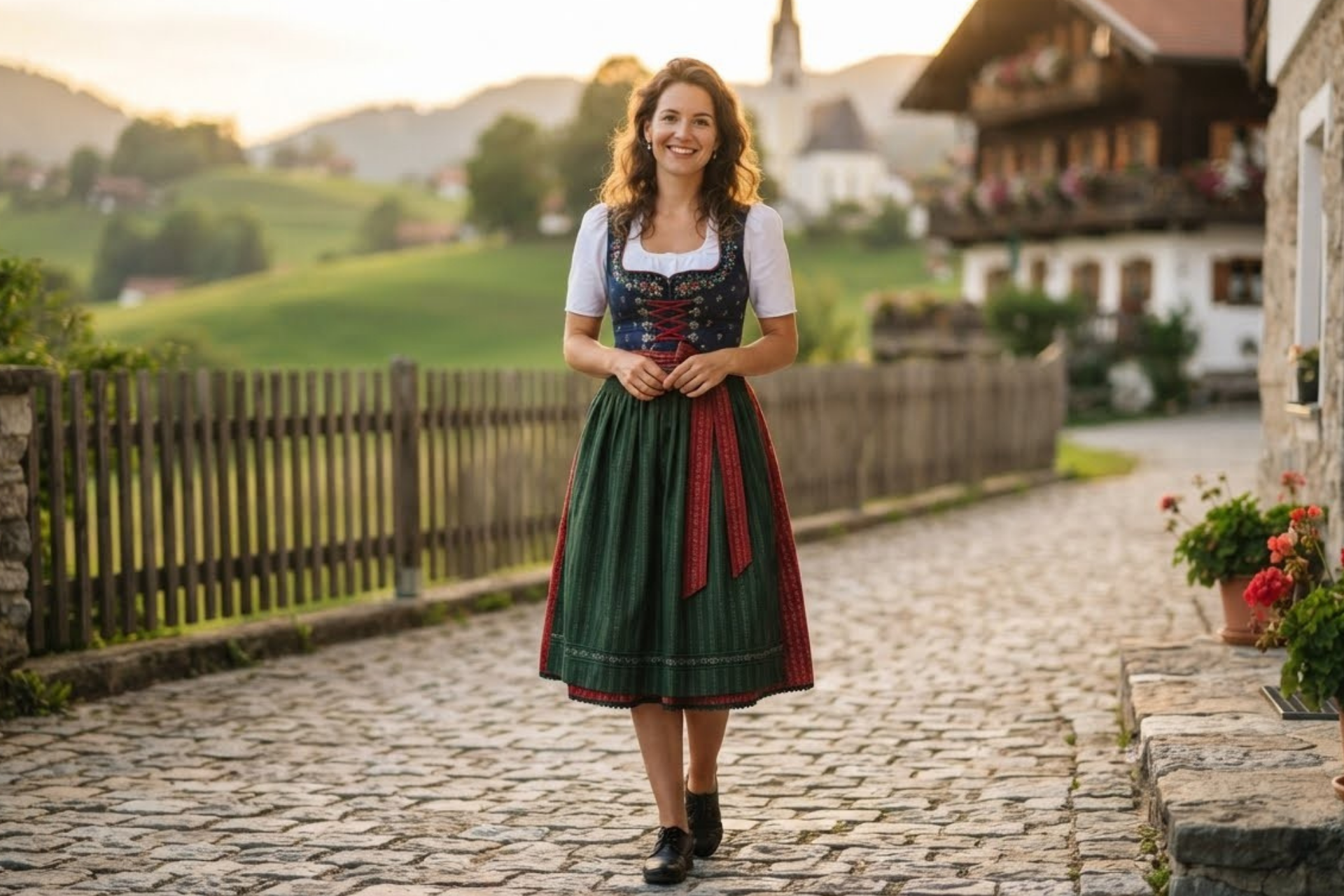
Choosing cotton doesn't mean sacrificing the traditional aesthetic that defines authentic German dirndl fashion. Well-made cotton dirndls still incorporate classic silhouettes, traditional embroidery, and authentic construction details, proving that practicality and cultural authenticity can coexist within the same garment.
This balance is part of why cotton has remained a staple fabric choice across generations of dirndl wearers, even as more luxurious materials have gained visibility in fashion circles. For many women, the practical benefits of cotton ultimately outweigh the appeal of fabrics that require more careful, specialized handling.
Frequently Asked Questions
Is a cotton German dirndl considered less authentic than a velvet or silk version? No, cotton has long been part of traditional dirndl fashion, particularly for everyday and working versions of the dress, making it entirely authentic.
How often can a cotton dirndl be safely washed? Cotton generally tolerates frequent washing far better than silk or velvet, though following care instructions specific to embroidery or trim is still recommended.
Does cotton hold embroidery and decorative details well? Yes, cotton's sturdy weave holds embroidery stitches securely, making it a practical base fabric for decorative traditional detailing.
Is cotton a good choice for a first-time dirndl purchase? Yes, cotton's affordability, comfort, and easier maintenance make it a practical, lower-risk option for anyone new to wearing traditional dirndl fashion.
Can a cotton dirndl be dressed up for more formal occasions? Yes, with careful styling, quality embroidery, and coordinated accessories, a cotton dirndl can suit semi-formal occasions despite its practical, everyday fabric base.
Does cotton work well for dirndls worn in warmer climates? Yes, cotton's breathability makes it especially well suited to warmer climates where heavier fabrics like velvet would quickly become uncomfortable.
Final Thoughts
The practicality of a cotton German dirndl dress lies in its rare combination of comfort, durability, and easy maintenance without sacrificing traditional authenticity. From everyday wear to warm-weather festivals, cotton continues to prove itself as one of the most sensible fabric choices within German dirndl fashion, suiting a wide range of climates and occasions. At Elederhosen, we remain committed to this practicality, ensuring our cotton dirndls perform as well as they look, season after season and year after year.
Comments
Log in or sign up to join the conversation.