

There's a particular kind of afternoon where the sun lines up perfectly with a specific window, and suddenly a room that was fine an hour ago becomes somewhere nobody wants to be. Kitchens above sinks, bedrooms with west-facing glass, sunrooms that were meant to be a feature and instead became a problem these spots exist in nearly every home, and blinds alone rarely fix them.
The reason blinds fall short is simple: they only manage heat once it's already come through the glass. By then, the room's already warming up and the air conditioning's already working overtime to correct it.
Shade That Starts Outside the Glass
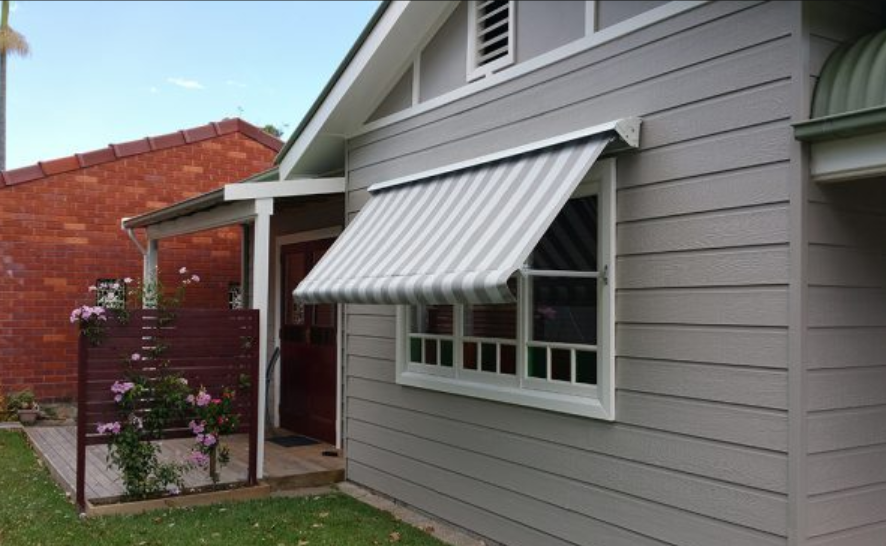
Window Awnings work differently by shading the glass from the outside, stopping direct sun before it ever hits the window in the first place. Rather than fighting heat that's already indoors, the goal shifts to keeping it out entirely.
Oztech designs its range around exactly this principle, offering compact, purpose-built systems suited to individual windows rather than large outdoor areas practical for homes where a full pergola or wide awning simply isn't the right fit.
Finding the Right Style for Every Window
Choosing the right awning style depends on your window size, sun exposure, and the level of flexibility you want throughout the day.
Pivot Arm Systems
These extend outward and downward on a pair of pivoting arms, offering flexible coverage that can be angled depending on the sun's position throughout the day. They suit windows that deal with changing light angles across the seasons.
Lock Arm Systems
Built with a fixed, locked arm position, these offer consistent coverage without the same range of adjustment. They tend to suit windows with predictable, unchanging sun exposure, where flexibility matters less than straightforward reliability.
Track Guided Systems
Running along a guided track for smoother, more controlled extension, these work particularly well on taller or narrower windows where stability matters more than adjustability.
The Difference Shows Up Fast
Homeowners who add the right shading solution to problem spots typically notice two things almost immediately: the room stops heating up as quickly through the afternoon, and glare that made screens or reading uncomfortable largely disappears. Neither of these improvements requires touching the air conditioning at all; the difference comes purely from blocking the sun before it reaches the glass.
Over a full summer, that shift tends to translate into a genuinely lighter cooling load, since the system isn't constantly working to offset heat that shouldn't have gotten in to begin with.
Signs a Window Genuinely Needs This Kind of Fix
The room becomes noticeably hotter than the rest of the house by early afternoon
Blinds or curtains need closing daily just to make the space usable
Glare makes it difficult to use a TV, monitor, or read near the window
Furniture or flooring near the window shows visible sun fading over time
Air conditioning runs longer in that specific area compared to the rest of the home
Recognising these patterns usually points straight to the exact windows that would benefit most from external shading.
The Installation Details Worth Getting Right
Mounting height affects how much of the window actually gets shaded during peak sun hours, and getting it wrong by even a small margin can leave the lower half of a window exposed exactly when it matters most. Projection length matters just as much a shorter awning might look neat but fail to block low-angle afternoon sun effectively.
These are details best worked out during an on-site measure rather than estimated from a photo, particularly on homes with uneven wall lines or older window frames that don't match standard dimensions.
Matching the System to the Window
Small, single-pane windows often suit compact pivot arm units
Wider or multi-pane windows may need reinforced track-guided systems
Windows with changing sun angles benefit from adjustable pivot designs
Consistently sun-exposed windows can suit simpler lock arm options
Coastal or wind-exposed properties generally need sturdier frame construction
Getting this match right avoids either underpowered shade or an oversized unit that looks disproportionate against a smaller window.
Simple Control or Effortless Convenience
A manual system suits windows that don't need frequent adjusting set it and leave it through the warmer months. It's a lower-cost option that still delivers the core benefit of external shading.
Motorised systems bring added convenience for windows that benefit from regular adjustment, with remote or wall-switch control removing the need to physically reach or adjust anything by hand.
Function First, Style Close Behind
Beyond function, an awning sits on the front of a home and is visible every day, so finish matters for curb appeal as much as performance. Neutral tones tend to blend more easily with a range of exterior styles, while bolder colours can make a stronger visual statement on the right property.
Heat absorption still plays a role here too; lighter finishes reflect more heat than darker ones, which can be worth weighing up for particularly sun-exposed windows.
Comfort, Without Touching the Thermostat
Choosing the right window awning setup comes down to understanding exactly which windows are causing problems and matching the system, size, and operation style to that specific spot. Get it right, and a previously unbearable room becomes one that's genuinely comfortable, without needing to touch the thermostat.
Get in touch with the team at Oztech for a free measure and quote for your home.
Comments
Log in or sign up to join the conversation.