
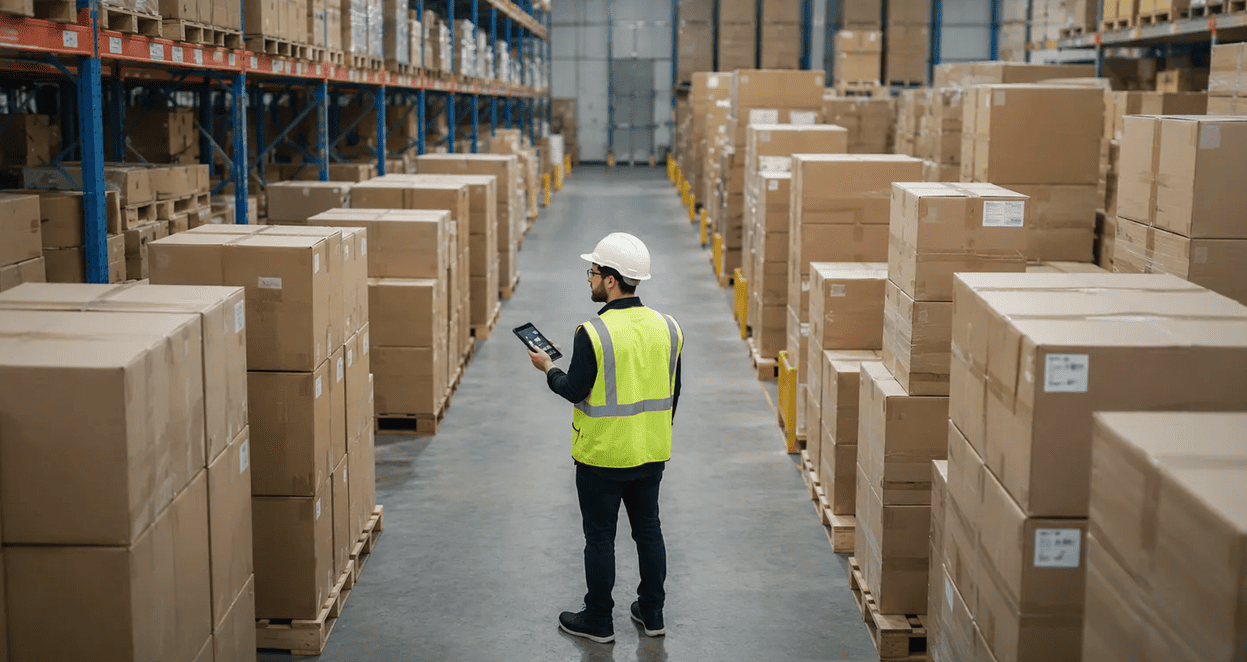
In today's fast-paced business environment, companies are constantly looking for ways to improve efficiency, reduce costs, and deliver better customer experiences. One of the most critical factors that influence business success is the ability to move goods smoothly across the supply chain. As markets become more interconnected and customer expectations continue to rise, businesses are increasingly investing in reliable transportation and logistics solutions.
Whether a company operates in manufacturing, retail, wholesale distribution, or e-commerce, having a strong logistics framework is no longer optional. It has become a strategic necessity that directly impacts profitability, customer satisfaction, and long-term growth.
The Evolution of Business Transportation
Over the past decade, transportation has undergone significant transformation. Traditional methods of managing shipments through manual coordination and fragmented systems have gradually been replaced by technology-driven solutions. Businesses now rely on real-time tracking, route optimization, automated scheduling, and data analytics to streamline operations.
This shift has made b2b transport an essential component of modern supply chains. Unlike consumer-focused transportation, business-to-business transportation involves managing larger shipment volumes, recurring deliveries, and complex distribution networks. Companies require dependable transportation partners that can ensure timely deliveries while maintaining cost efficiency.
Why Logistics Matters More Than Ever
Logistics serves as the backbone of every successful supply chain. It encompasses inventory management, warehousing, transportation, order fulfillment, and delivery coordination. When these processes function efficiently, businesses can reduce delays, minimize operational expenses, and improve customer satisfaction.
The growing demand for faster deliveries and improved visibility has increased the importance of b2b logistics across industries. Organizations are seeking integrated logistics solutions that provide complete oversight of product movement from origin to destination. This level of transparency helps businesses make informed decisions and respond quickly to market changes.
Key Challenges Businesses Face
Many organizations encounter common challenges when managing their transportation and logistics operations:
Rising Transportation Costs
Fuel prices, labor expenses, and infrastructure costs continue to fluctuate, making transportation management increasingly complex. Businesses must find ways to optimize routes and maximize vehicle utilization to maintain profitability.
Supply Chain Disruptions
Unexpected events such as weather conditions, geopolitical developments, or market fluctuations can disrupt supply chains. Companies need flexible logistics strategies to minimize operational risks.
Demand for Faster Deliveries
Customers now expect quicker delivery times than ever before. Meeting these expectations requires efficient planning, advanced technology, and dependable logistics networks.
Limited Visibility
Without proper tracking systems, businesses may struggle to monitor shipments and identify potential delays. Enhanced visibility is essential for maintaining operational control.
The Benefits of a Reliable Transportation Partner
Working with a professional b2b transport service can help businesses overcome many of these challenges. Specialized transportation providers offer expertise, infrastructure, and technology that enable companies to focus on their core operations.
Some key advantages include:
Improved delivery reliability
Reduced transportation costs
Better route planning and optimization
Real-time shipment tracking
Increased operational efficiency
Enhanced customer satisfaction
A reliable transportation partner can also help businesses scale their operations without the need for significant investments in their own transportation fleet.
How Technology Is Transforming Logistics
Digital transformation is reshaping the logistics industry. Technologies such as artificial intelligence, Internet of Things (IoT) devices, cloud-based management systems, and predictive analytics are helping businesses optimize their supply chains.
Real-time tracking systems provide greater visibility into shipment status. Predictive analytics enables organizations to anticipate potential disruptions before they occur. Automated warehouse systems improve inventory accuracy and reduce fulfillment times.
As these technologies continue to evolve, businesses that embrace innovation will be better positioned to compete in increasingly dynamic markets.
Choosing the Right Logistics Solution
Selecting an effective b2b logistics service requires careful evaluation of several factors:
Industry Experience
A logistics provider with experience in a specific industry is more likely to understand unique operational requirements and compliance standards.
Network Coverage
Businesses should consider whether the provider offers sufficient regional, national, or international coverage to support current and future growth.
Technology Capabilities
Modern logistics providers should offer tracking tools, reporting systems, and visibility platforms that support data-driven decision-making.
Scalability
As businesses expand, logistics requirements often become more complex. Choosing a scalable solution ensures long-term operational efficiency.
Customer Support
Responsive customer support is critical when addressing shipment issues, delivery concerns, or unexpected disruptions.
The Future of Business Logistics
The future of logistics will be driven by automation, sustainability, and data intelligence. Companies are increasingly seeking environmentally responsible transportation solutions while also leveraging technology to improve efficiency.
Businesses that invest in strategic logistics partnerships and modern transportation systems will be better equipped to adapt to changing market demands. The ability to move products quickly, efficiently, and reliably will continue to serve as a key competitive advantage.
Conclusion
Efficient transportation and logistics operations play a crucial role in business success. As supply chains become more complex and customer expectations continue to evolve, organizations must prioritize reliable and scalable solutions. By leveraging advanced transportation networks, innovative technologies, and experienced logistics partners, businesses can improve operational performance, reduce costs, and strengthen their market position for the future.
Comments
Log in or sign up to join the conversation.