

However, ensuring good health for both dogs and cats demands much more than proper nutrition, sufficient physical activity, and lots of love and attention. Indeed, preventive veterinary care plays an absolutely crucial part in keeping pets healthy through all stages of their lives. One of the most important parts of such preventive care is Pet Vaccinations. They help ensure protection of animals from various dangerous infections and contribute to overall pet population health as well.
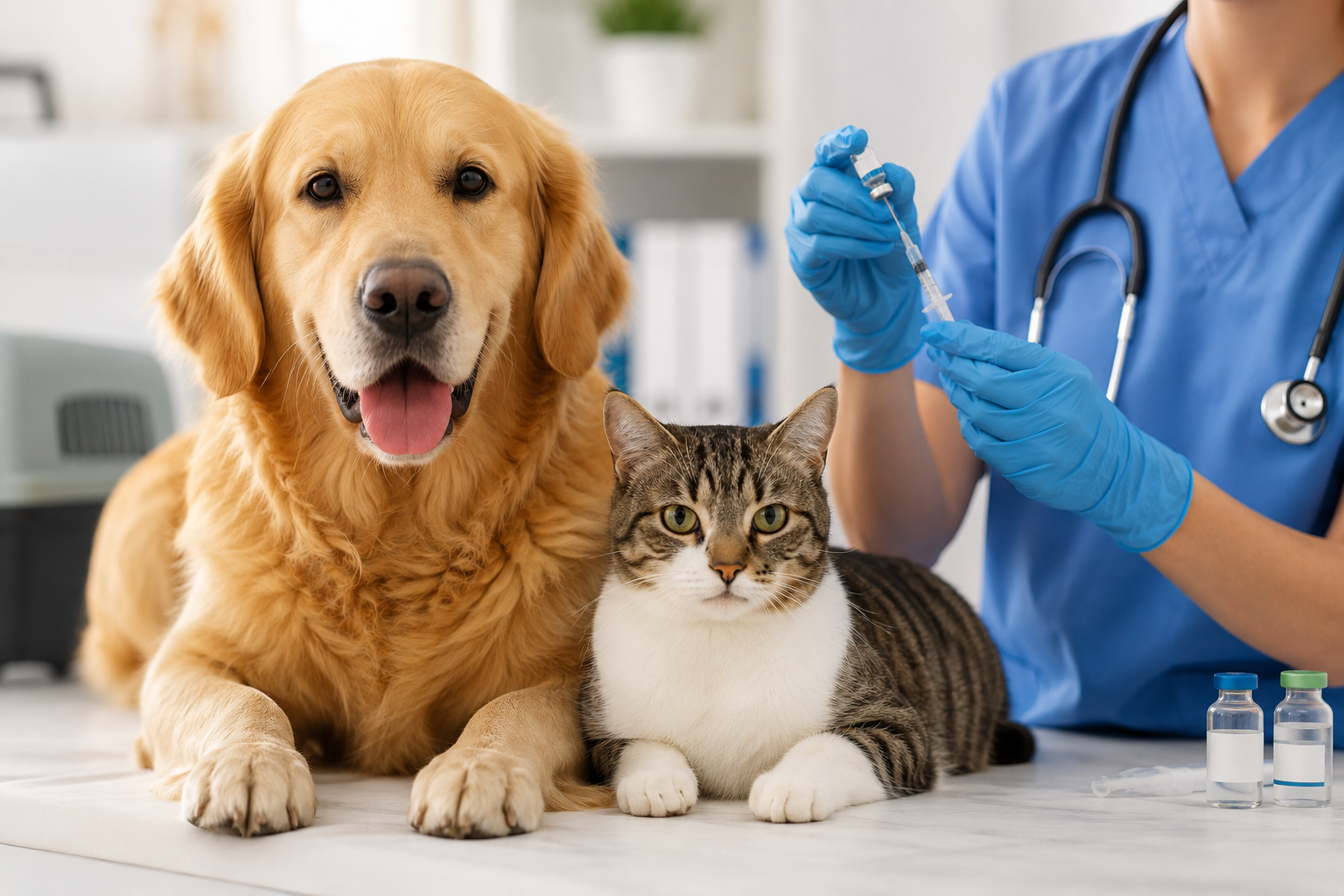
The importance of timely vaccination and knowledge about the factors that determine the need for a particular vaccine may help understand the necessity of this procedure better.
Why Are Pet Vaccinations Important?
Pet Vaccinations are supposed to help a pet's immune system get ready to detect and combat certain infectious diseases. The chances of getting infected can be minimized with the help of vaccinations; in some cases, the severity of the disease is reduced when infection takes place.
Infectious organisms can be encountered in various places by dogs and cats. A pet can be exposed to pathogens in the park, in a pet boarding facility, in a grooming shop, in a veterinary clinic, in a daycare center, or in any other place where pets socialize.
Even though your pet stays inside most of the time, it still needs vaccinations.
Core Vaccinations for Dogs
Vaccines for pets are often classified into core and non-core vaccines, taking into account parameters like disease severity, prevalence, lifestyle, and exposure to the disease.
In the case of core vaccines for dogs, protection from various diseases such as canine distemper virus, canine parvovirus, canine adenovirus, and rabies is usually provided. These conditions have the potential to cause various diseases that could even be lethal.
The process of vaccinating puppies starts at an early age due to the gradual loss of immunity acquired from maternal antibodies. A vet usually recommends a combination of vaccines to create immunity.
Some adult dogs might need boosters of vaccines in order to maintain their immune system. The schedule may differ according to several factors.
Important Vaccinations for Cats
Cats also have much to gain from routine vaccinations. Core feline vaccines will help guard the cat from diseases like feline panleukopenia, feline viral rhinotracheitis, calicivirus, and rabies.
The kitten will start off with the initial vaccinations and later will require boosters. The adult cat is to have routine vaccinations as per the guidelines of his vet.
Indoor cats are not always safe from diseases. There can be times when the cat gets lost or comes into contact with other animals and sometimes goes traveling with his owners. It is necessary to maintain proper Pet Vaccinations for such situations.
Core vs. Lifestyle-Based Vaccinations
It is not the case that all pets need the exact vaccinations. Along with core vaccines, there are also non-core or lifestyle vaccines that may be given by a veterinarian after analyzing a particular pet’s situation.
Dogs may need some extra vaccines for diseases like Bordetella, Leptospirosis or Canine flu based on their lifestyle or region. Cats may need a vaccine against Feline Leukemia Virus based on age and possibility of meeting with other cats.
A dog that stays regularly in boarding centers, dog parks or daycares will have different vaccination requirements than one who doesn’t interact much with other animals. The same way an outdoor cat will have different chances of disease than an indoor cat.
Vaccinations Are Part of Preventive Wellness Care
Vaccination will serve the purpose effectively when it is included within a wider strategy for preventive health care for pets. The wellness visits for pets enable veterinarians to evaluate the general state of the pet along with discussions of nutrition, dentistry, parasite prevention, weight control, behavior, and much more.
Certain veterinary clinics provide Pet wellness care packages. It means that a variety of preventive care measures have been brought together in an organized package. These packages may differ by clinic and could include various elements such as wellness exams, vaccination, tests, parasite screening, and others.
Those pet owners who would like to know more about Pet wellness care packages need to talk to the veterinarian.
Vaccinations and Senior Pet Care
Preventative healthcare is still essential as the pets age. But the vaccination guidelines can differ according to the age, history, way of life, and any pre-existing health issues of the pet.
While providing senior pet care, veterinarians are able to assess the condition of the pet and provide their recommendations regarding which vaccinations are still necessary. Some tests, which can be included in the senior pet wellness visits, are physical examination, blood test, urinalysis, dental examination, weight check, and age-related conditions detection.
The health of senior pets changes with age and they can experience changes in immune system, so individual recommendations from a veterinarian are important. It is not right to think that all senior pets should have the same schedule of vaccinations since veterinarians take into account the pet's health history and possible contact with pathogens.
What Happens If Pet Vaccinations Are Missed?
A skipped vaccine appointment does not necessarily mean that a pet owner must start over in vaccinating his or her pet again. Nevertheless, the failure to vaccinate may result in your pet being unprotected for a while.
In case you miss a vaccine appointment, you should consult with your vet, as opposed to trying to figure out on your own what is to be done next.
It might be useful to keep medical records when traveling with your pet, or when it goes to a pet daycare or a boarding place.
Are Vaccines Safe for Dogs and Cats?
However, there is no denying the fact that vaccinations administered to animals are usually safe; however, sometimes some complications do arise. Animals may feel sleepy or have a slightly tender area where the needle was injected into the body or even lose their appetites temporarily.
Severe complications are rare, but they need to be treated promptly by the veterinarian. In case a pet owner notices any unusual signs after administering vaccinations, such as breathing problems or even vomiting, he/she should visit the vet immediately.
Veterinarians can take account of past vaccine reactions for future vaccinations of the animal.
Conclusion
Pet Immunizations Regularly are very vital in the practice of preventive healthcare for dogs and cats. Pet immunization helps protect the individual dog or cat from certain infections diseases and also makes the community of animals healthier.
Because different situations may call for changes in vaccination requirements, it is essential that owners consult their veterinarians to come up with an appropriate preventive care schedule for each individual pet. Be it a puppy and kitten vaccination to adult and senior pets, constant visits to the veterinary clinic help to detect the changing health needs of each individual pet.
In combination with examinations, parasites control, dental cleaning, proper diet and appropriate Pet wellness care packages, one can come up with an all-round strategy for wellness care of each pet throughout its lifetime.
Comments
Log in or sign up to join the conversation.