

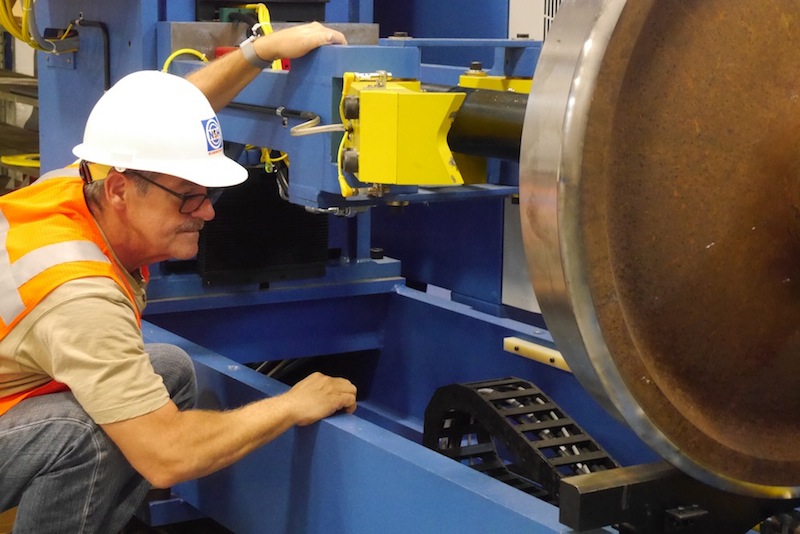
Keeping machinery and equipment in good working order is important for both productivity and safety. These two factors can be significantly affected if the equipment is outdated or not properly maintained to industry standards. Equipment is used in many different business sectors and with the correct procedures in place; businesses can keep routine activity running smoothly, with little interruption. Effective equipment maintenance involves a process of diagnoses and repair work or regular servicing to ensure parts are working correctly and at maximum efficiency. Keeping on top of this and budgeting for this maintenance allows businesses to operate with little need for full downtime.
Take a look at some of the reasons why equipment and machinery maintenance should be carried out regularly:
Preventing breakdowns
If a business does not carry out routine maintenance, there is only so much time that equipment will last without breaking down. Breakdowns will not only cost you more money at one time, but they could render productivity useless until the issue is fixed. This interruption could cost a company thousands of dollars a day if not fixed quickly and may result in new machinery or equipment being purchased to replace the existing faults. Regular maintenance will help to prevent these types of issues and could keep equipment running for longer.
Safety
Safety in the workplace should be of paramount importance to any business. Providing a safe working environment for your workers prevents unnecessary accidents plus reduces absence time for an organization. For companies to recognize their responsibilities, they have to ensure procedures are put in place for regular equipment and machinery maintenance and ensure workers have regular training on the equipment. Keeping these elements in check can reduce the number of accidents due to faulty equipment or prevent unhealthy situations, which put workers under more stress when carrying out tasks.
Replacing old equipment or parts
There comes a time in a company’s trading life where older machinery has to be replaced or upgraded. These upgrades could be costly but weighing up the useful life of existing assets against new ones could highlight the increased productivity and safety elements that this could make. In all sectors, this is an important stage in determining the benefits, or negative impact equipment could have on a business. Dependent on how old the machinery is replacement parts may also be an option. For different sectors, this could be something as simple as replacement trailer parts for existing transport equipment or mechanical elements in a printing machine. Using quality and guaranteed parts will also help in the event of future faults of equipment issues.
Undertaking maintenance
As regular maintenance should be a part of business processes, undertaking the work in a safe and efficient manner is another vital element of this important activity. Employing people that are component to do the work helps to minimize errors and keeps operations running smoothly in the event of equipment failure. Businesses may choose to employee necessary maintenance staff or hire contractors for smaller jobs.
Comments
Log in or sign up to join the conversation.