
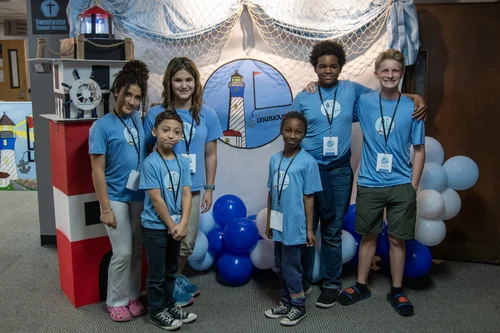
Education continues to evolve as parents search for learning environments that help children reach their full potential through meaningful instruction and personal attention. Every child learns differently, and recognizing those differences is essential for long term success. Families are becoming more interested in educational models that encourage curiosity, confidence, and independent thinking while supporting academic achievement. Lighthouse Learning Microschool reflects the growing desire for smaller learning communities where students receive focused guidance, build meaningful relationships with educators, and enjoy learning experiences that match their unique strengths and interests.
Traditional classrooms have served generations of students, yet they often face challenges created by large class sizes and standardized instruction. Teachers work hard to meet the needs of every learner, but limited time and resources can make individualized support difficult. As a result, some students move ahead before fully understanding important concepts, while others become bored because lessons progress too slowly. Personalized education seeks to address these concerns by allowing students to learn at a pace that supports their growth and understanding.
A learning environment that values flexibility creates opportunities for students to explore subjects with greater confidence. Instead of simply memorizing facts, learners develop the ability to ask thoughtful questions, investigate ideas, and apply knowledge in practical situations. This approach strengthens critical thinking while helping students become active participants in their education rather than passive observers. As confidence grows, children become more willing to take on new challenges and discover solutions independently.
Strong relationships between educators and students contribute significantly to academic success. When teachers understand each student's strengths, interests, and learning preferences, they can provide guidance that feels personal and meaningful. Students are more likely to seek help when they feel respected and understood, creating an atmosphere where learning becomes enjoyable instead of stressful. Positive teacher student connections also encourage open communication, making it easier to celebrate achievements and address difficulties before they become larger obstacles.
Parents play an equally valuable role in a child's educational journey. Regular communication between families and educators creates a partnership focused on student success. Parents gain insight into classroom activities, academic progress, and personal development while teachers receive valuable information about each child's interests and experiences outside school. This collaboration allows everyone to work together toward common goals that benefit the learner both academically and emotionally.
Modern education also recognizes the importance of developing practical life skills alongside academic knowledge. Success in today's world requires much more than strong grades. Students benefit from learning how to manage their time, communicate effectively, solve problems creatively, and work cooperatively with others. These abilities become valuable throughout higher education, future careers, and everyday life. Schools that encourage responsibility and independent decision making help students build confidence that extends well beyond the classroom.
Creativity remains an essential part of meaningful education. Children naturally enjoy exploring new ideas through projects, discussions, experiments, and artistic expression. When creativity is encouraged, students become more engaged because they can connect lessons with their own interests and experiences. Hands on learning activities often make complex concepts easier to understand while allowing students to demonstrate their knowledge in different ways. This balanced approach supports both academic achievement and personal growth.
Technology has also transformed the educational experience by providing access to countless learning resources. Interactive lessons, educational software, digital research tools, and virtual collaboration opportunities allow students to expand their understanding beyond traditional textbooks. Responsible technology use teaches valuable digital literacy skills while preparing learners for future educational and professional environments where technology continues to play an important role.
A supportive learning community encourages students to develop confidence, resilience, and respect for others. Classrooms built on kindness and cooperation help children feel safe expressing ideas, asking questions, and learning from mistakes. Instead of fearing failure, students begin to view challenges as opportunities for improvement. This mindset encourages perseverance and builds emotional strength that supports lifelong learning.
Every child possesses unique talents waiting to be discovered. Some excel in mathematics, while others demonstrate creativity through writing, music, science, or visual arts. Personalized educational environments provide opportunities for these strengths to emerge naturally without forcing every student into the same path. Recognizing individual abilities helps learners develop confidence while encouraging them to pursue areas that inspire genuine interest and motivation.
As the world changes rapidly, education must continue preparing students for future opportunities that may not even exist today. Adaptability, communication, innovation, and critical thinking have become essential qualities across nearly every profession. Students who develop these abilities during their education will be better prepared to navigate changing careers, embrace new technologies, and contribute positively to their communities. Learning how to think independently often proves more valuable than simply memorizing information that may eventually become outdated.
Choosing the right educational environment requires careful consideration of academic quality, teaching philosophy, student support, and overall learning culture. Families should look for settings where children feel encouraged, challenged, and respected throughout their educational journey. Parents searching for a microschool near me often prioritize personalized instruction, smaller learning communities, flexible educational experiences, and meaningful teacher relationships because these qualities help children grow academically, socially, and emotionally while preparing them for lifelong success.Education continues to evolve as parents search for learning environments that help children reach their full potential through meaningful instruction and personal attention. Every child learns differently, and recognizing those differences is essential for long term success. Families are becoming more interested in educational models that encourage curiosity, confidence, and independent thinking while supporting academic achievement. Lighthouse Learning Microschool reflects the growing desire for smaller learning communities where students receive focused guidance, build meaningful relationships with educators, and enjoy learning experiences that match their unique strengths and interests.
Traditional classrooms have served generations of students, yet they often face challenges created by large class sizes and standardized instruction. Teachers work hard to meet the needs of every learner, but limited time and resources can make individualized support difficult. As a result, some students move ahead before fully understanding important concepts, while others become bored because lessons progress too slowly. Personalized education seeks to address these concerns by allowing students to learn at a pace that supports their growth and understanding.
A learning environment that values flexibility creates opportunities for students to explore subjects with greater confidence. Instead of simply memorizing facts, learners develop the ability to ask thoughtful questions, investigate ideas, and apply knowledge in practical situations. This approach strengthens critical thinking while helping students become active participants in their education rather than passive observers. As confidence grows, children become more willing to take on new challenges and discover solutions independently.
Strong relationships between educators and students contribute significantly to academic success. When teachers understand each student's strengths, interests, and learning preferences, they can provide guidance that feels personal and meaningful. Students are more likely to seek help when they feel respected and understood, creating an atmosphere where learning becomes enjoyable instead of stressful. Positive teacher student connections also encourage open communication, making it easier to celebrate achievements and address difficulties before they become larger obstacles.
Parents play an equally valuable role in a child's educational journey. Regular communication between families and educators creates a partnership focused on student success. Parents gain insight into classroom activities, academic progress, and personal development while teachers receive valuable information about each child's interests and experiences outside school. This collaboration allows everyone to work together toward common goals that benefit the learner both academically and emotionally.
Modern education also recognizes the importance of developing practical life skills alongside academic knowledge. Success in today's world requires much more than strong grades. Students benefit from learning how to manage their time, communicate effectively, solve problems creatively, and work cooperatively with others. These abilities become valuable throughout higher education, future careers, and everyday life. Schools that encourage responsibility and independent decision making help students build confidence that extends well beyond the classroom.
Creativity remains an essential part of meaningful education. Children naturally enjoy exploring new ideas through projects, discussions, experiments, and artistic expression. When creativity is encouraged, students become more engaged because they can connect lessons with their own interests and experiences. Hands on learning activities often make complex concepts easier to understand while allowing students to demonstrate their knowledge in different ways. This balanced approach supports both academic achievement and personal growth.
Technology has also transformed the educational experience by providing access to countless learning resources. Interactive lessons, educational software, digital research tools, and virtual collaboration opportunities allow students to expand their understanding beyond traditional textbooks. Responsible technology use teaches valuable digital literacy skills while preparing learners for future educational and professional environments where technology continues to play an important role.
A supportive learning community encourages students to develop confidence, resilience, and respect for others. Classrooms built on kindness and cooperation help children feel safe expressing ideas, asking questions, and learning from mistakes. Instead of fearing failure, students begin to view challenges as opportunities for improvement. This mindset encourages perseverance and builds emotional strength that supports lifelong learning.
Every child possesses unique talents waiting to be discovered. Some excel in mathematics, while others demonstrate creativity through writing, music, science, or visual arts. Personalized educational environments provide opportunities for these strengths to emerge naturally without forcing every student into the same path. Recognizing individual abilities helps learners develop confidence while encouraging them to pursue areas that inspire genuine interest and motivation.
As the world changes rapidly, education must continue preparing students for future opportunities that may not even exist today. Adaptability, communication, innovation, and critical thinking have become essential qualities across nearly every profession. Students who develop these abilities during their education will be better prepared to navigate changing careers, embrace new technologies, and contribute positively to their communities. Learning how to think independently often proves more valuable than simply memorizing information that may eventually become outdated.
Choosing the right educational environment requires careful consideration of academic quality, teaching philosophy, student support, and overall learning culture. Families should look for settings where children feel encouraged, challenged, and respected throughout their educational journey. Parents searching for a microschool near me often prioritize personalized instruction, smaller learning communities, flexible educational experiences, and meaningful teacher relationships because these qualities help children grow academically, socially, and emotionally while preparing them for lifelong success.
Education continues to evolve as parents search for learning environments that help children reach their full potential through meaningful instruction and personal attention. Every child learns differently, and recognizing those differences is essential for long term success. Families are becoming more interested in educational models that encourage curiosity, confidence, and independent thinking while supporting academic achievement. Lighthouse Learning Microschool reflects the growing desire for smaller learning communities where students receive focused guidance, build meaningful relationships with educators, and enjoy learning experiences that match their unique strengths and interests.
Traditional classrooms have served generations of students, yet they often face challenges created by large class sizes and standardized instruction. Teachers work hard to meet the needs of every learner, but limited time and resources can make individualized support difficult. As a result, some students move ahead before fully understanding important concepts, while others become bored because lessons progress too slowly. Personalized education seeks to address these concerns by allowing students to learn at a pace that supports their growth and understanding.
A learning environment that values flexibility creates opportunities for students to explore subjects with greater confidence. Instead of simply memorizing facts, learners develop the ability to ask thoughtful questions, investigate ideas, and apply knowledge in practical situations. This approach strengthens critical thinking while helping students become active participants in their education rather than passive observers. As confidence grows, children become more willing to take on new challenges and discover solutions independently.
Strong relationships between educators and students contribute significantly to academic success. When teachers understand each student's strengths, interests, and learning preferences, they can provide guidance that feels personal and meaningful. Students are more likely to seek help when they feel respected and understood, creating an atmosphere where learning becomes enjoyable instead of stressful. Positive teacher student connections also encourage open communication, making it easier to celebrate achievements and address difficulties before they become larger obstacles.
Parents play an equally valuable role in a child's educational journey. Regular communication between families and educators creates a partnership focused on student success. Parents gain insight into classroom activities, academic progress, and personal development while teachers receive valuable information about each child's interests and experiences outside school. This collaboration allows everyone to work together toward common goals that benefit the learner both academically and emotionally.
Modern education also recognizes the importance of developing practical life skills alongside academic knowledge. Success in today's world requires much more than strong grades. Students benefit from learning how to manage their time, communicate effectively, solve problems creatively, and work cooperatively with others. These abilities become valuable throughout higher education, future careers, and everyday life. Schools that encourage responsibility and independent decision making help students build confidence that extends well beyond the classroom.
Creativity remains an essential part of meaningful education. Children naturally enjoy exploring new ideas through projects, discussions, experiments, and artistic expression. When creativity is encouraged, students become more engaged because they can connect lessons with their own interests and experiences. Hands on learning activities often make complex concepts easier to understand while allowing students to demonstrate their knowledge in different ways. This balanced approach supports both academic achievement and personal growth.
Technology has also transformed the educational experience by providing access to countless learning resources. Interactive lessons, educational software, digital research tools, and virtual collaboration opportunities allow students to expand their understanding beyond traditional textbooks. Responsible technology use teaches valuable digital literacy skills while preparing learners for future educational and professional environments where technology continues to play an important role.
A supportive learning community encourages students to develop confidence, resilience, and respect for others. Classrooms built on kindness and cooperation help children feel safe expressing ideas, asking questions, and learning from mistakes. Instead of fearing failure, students begin to view challenges as opportunities for improvement. This mindset encourages perseverance and builds emotional strength that supports lifelong learning.
Every child possesses unique talents waiting to be discovered. Some excel in mathematics, while others demonstrate creativity through writing, music, science, or visual arts. Personalized educational environments provide opportunities for these strengths to emerge naturally without forcing every student into the same path. Recognizing individual abilities helps learners develop confidence while encouraging them to pursue areas that inspire genuine interest and motivation.
As the world changes rapidly, education must continue preparing students for future opportunities that may not even exist today. Adaptability, communication, innovation, and critical thinking have become essential qualities across nearly every profession. Students who develop these abilities during their education will be better prepared to navigate changing careers, embrace new technologies, and contribute positively to their communities. Learning how to think independently often proves more valuable than simply memorizing information that may eventually become outdated.
Choosing the right educational environment requires careful consideration of academic quality, teaching philosophy, student support, and overall learning culture. Families should look for settings where children feel encouraged, challenged, and respected throughout their educational journey. Parents searching for a microschool near me often prioritize personalized instruction, smaller learning communities, flexible educational experiences, and meaningful teacher relationships because these qualities help children grow academically, socially, and emotionally while preparing them for lifelong success.
Comments
Log in or sign up to join the conversation.