
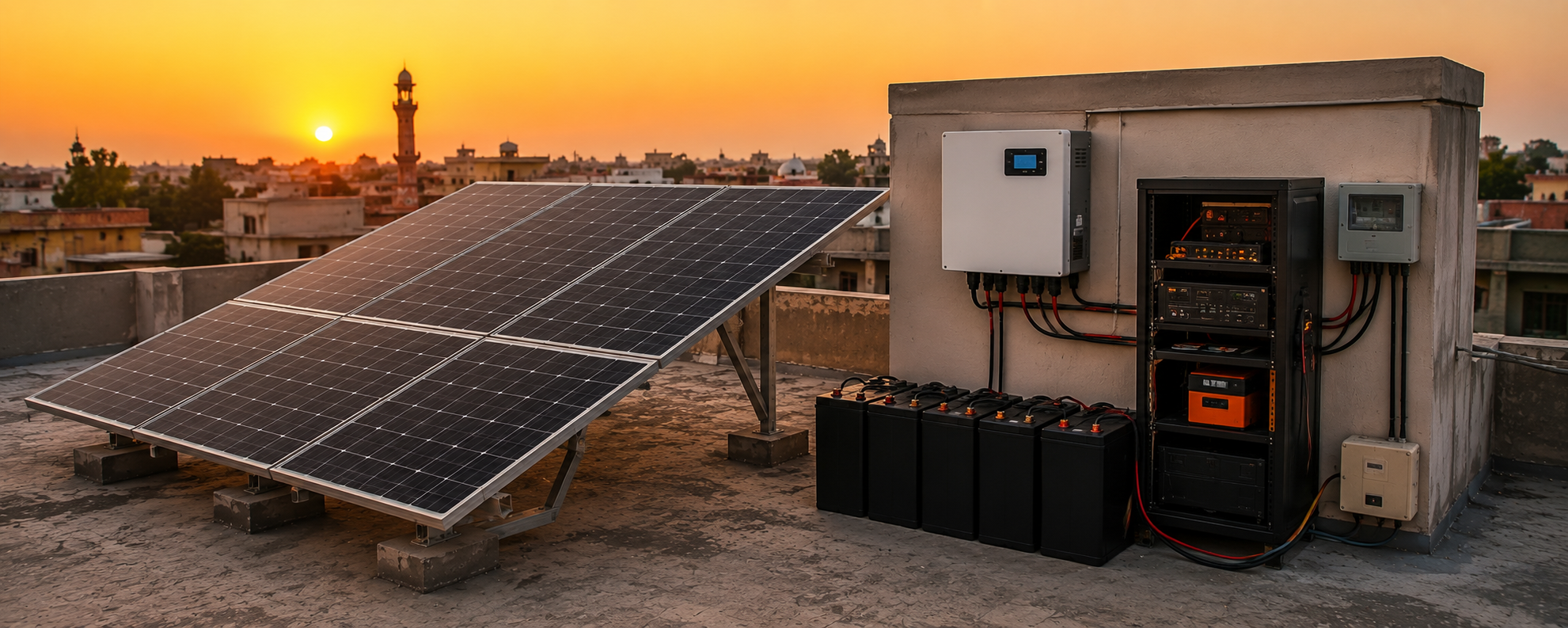
Investing in solar energy is one of the most effective ways for homeowners to achieve energy independence and eliminate the burden of rising electricity costs. As conventional energy prices continue to fluctuate drastically across the country, moving toward sustainable alternatives has transformed from a luxury into a structural necessity. Navigating the transition requires a clear understanding of your energy consumption, the structural feasibility of your property, and the specific technological configurations that fit your long-term economic objectives. This comprehensive guide details the essential evaluation metrics, system dynamics, financial advantages, and technical frameworks necessary to make an informed and highly beneficial transition to renewable energy.
To implement a highly reliable energy framework, homeowners must carefully evaluate their property's potential and select components that match their consumption patterns. Residential energy profiles vary greatly based on daily appliance usage, seasonal demands such as heavy air conditioning during peak summer months, and total peak load capacity requirements. Selecting the right setup involves balancing the initial hardware investment against long-term maintenance costs and system efficiency guarantees. Modern residential architectures utilize a mix of advanced photovoltaic modules, high-efficiency conversion frameworks, and intelligent storage arrays to protect against grid instability and escalating utility rates.
When evaluating localized installation dynamics and seeking top-tier infrastructure providers, finding an experienced partner is critical for ensuring optimal energy yield and seamless grid integration. Deploying a comprehensive solar system in lahore demands robust structural engineering to withstand severe weather fluctuations, seasonal dust accumulations, and intense summer heatwaves that can naturally impact panel conversion efficiencies. A professionally engineered system deployed by a dedicated specialist ensures proper orientation, premium mounting hardware, and precise inverter synchronization to unlock maximum financial savings and sustainable power generation for decades. By focusing on Tier 1 components and verified local installation protocols, homeowners can successfully safeguard their properties against unpredictable electricity price hikes.
Understanding the Different Types of Solar Frameworks
Residential solar installations typically fall into three primary architecture types, which are on-grid systems, off-grid systems, and hybrid frameworks. On-grid configurations remain popular because they seamlessly connect with the local municipal grid, letting you send surplus energy back via net metering protocols. This framework is highly cost-effective for households that want to offset daytime consumption but do not necessarily require energy storage for nighttime outages. By feeding excess daytime production into the utility infrastructure, owners gain energy credits that directly reduce overall utility bill calculations.
Off-grid structures operate completely independently from any public utility company, demanding a substantial and highly dependable battery storage infrastructure. These configurations are ideal for remote regions or areas facing persistent grid failures where standard power utility access is completely unavailable. Because an off-grid system relies entirely on local production and battery capacity, the initial equipment investment is generally higher due to the need for larger storage banks. Managing an off-grid configuration requires careful monitoring of daily consumption to avoid depleting the stored energy reserves during consecutive cloudy days.
Hybrid solar configurations combine the advantages of both worlds, providing connection to the public utility grid alongside a dedicated localized battery storage setup. This configuration serves as an excellent option for urban environments facing frequent load shedding because it prioritizes powering local loads, charging backup batteries, and exporting extra energy to the grid. During grid failures, a hybrid system instantly switches to battery mode to keep critical household appliances running without interruption. This dual functionality offers both regular financial savings through net metering and strong energy security during unexpected blackouts.
Key Technical Components and Quality Indicators
The performance, durability, and overall efficiency of your renewable energy setup depend directly on the specific hardware components integrated into the system. High-efficiency Tier 1 photovoltaic modules utilize premium monocrystalline silicon structures to maximize energy conversion even in low-light environments. These premium modules feature advanced thermal coefficients that prevent severe power drops during intense summer heatwaves. Choosing certified Tier 1 panels ensures long term performance reliability, robust factory warranties, and minimal degradation rates over a standard operational lifespan of three decades.
The inverter serves as the central intelligence of your entire energy infrastructure, converting direct current power from your panels into usable alternating current for your home. Modern inverter technology includes smart monitoring software, maximum power point tracking capabilities, and advanced surge protection systems to handle voltage spikes. High-quality inverters ensure smooth energy conversion, optimize power generation from unevenly shaded panels, and manage safety disconnects during grid maintenance. Investing in a premium inverter brand extends the operational life of your entire system and simplifies performance tracking via mobile applications.
Energy storage technology has improved significantly with the transition from traditional lead-acid batteries to advanced lithium iron phosphate storage solutions. Lithium-based batteries deliver much deeper discharge capabilities, superior thermal stability, higher round-trip efficiency, and significantly longer lifespans compared to older battery types. These smart storage units manage charge and discharge cycles automatically to prevent overheating and maximize overall system safety. Integrating premium lithium storage ensures that your household maintains reliable backup power during extended night-time grid outages without needing frequent battery replacements.
The Financial Benefits of Net Metering Policies
The financial viability of a residential solar setup increases significantly when combined with a net metering program. Net metering is a billing mechanism that credits solar system owners for the excess electricity they feed back into the utility grid during peak generation hours. When your solar array produces more power than your home consumes, the bidirectional smart meter tracks the surplus units and sends them directly to the main grid. These exported units are subtracted from your total grid consumption, lowering your monthly utility expenses.
During rainy days or nighttime hours when your solar panels are not producing electricity, your home pulls power from the utility grid automatically. At the conclusion of the billing cycle, the utility company calculates the net difference between the energy you consumed and the energy you exported. If your total exported energy exceeds your consumption, the surplus credits roll over to the next month to offset future utility bills. This mechanism shortens the overall payback period of your solar investment and protects your household from rising utility tariffs.
Implementing a net metering system requires proper documentation, professional engineering compliance, and formal approval from local electricity distribution authorities. Working with a qualified installation provider simplifies the application process, ensuring that all equipment meets the technical standards required for grid connection. A fully certified net metering installation turns your rooftop into an active revenue-generating asset that consistently cuts operational household costs. This long term financial advantage makes solar energy one of the most practical and reliable investments available for modern homeowners.
Long-Term Maintenance Protocols for Optimal Efficiency
Maintaining a residential solar infrastructure requires minimal effort, but regular maintenance is essential to keep the system running at peak operational efficiency. The most important maintenance task is cleaning the panel surfaces regularly to remove dust, bird droppings, and industrial pollution. Accumulated debris creates a barrier that blocks sunlight and can reduce total energy production by up to twenty percent if left uncleaned. Washing the panels with clean water during early morning or late evening hours prevents thermal shock and keeps the glass pristine.
Regular visual inspections help identify structural wear, loose wiring connections, or potential shading problems from growing trees. Ensuring that the structural mounting racks remain tightly secured protects the entire array against high winds and severe weather conditions. Inverters should also be checked periodically to verify that the cooling vents are clear of dust and that the system is running without error codes. Monitoring your system's output through digital apps helps you quickly spot any drop in performance, allowing for prompt troubleshooting before it impacts your savings.
Professional technical evaluations should be scheduled every few years to check electrical insulation resistance, battery health indicators, and inverter synchronization metrics. Certified technicians use specialized thermal cameras to detect hidden hot spots on panels that could lead to component failure. Taking care of small maintenance needs early extends the life of your equipment and protects your investment warranties. Following these basic maintenance routines guarantees that your clean energy system will deliver maximum power output for decades to come.
Navigating Net Metering Regulations and Grid Codes
Integrating a residential solar system with the national grid requires careful adherence to local regulatory frameworks, safety standards, and technical grid codes. Net metering programs are governed by strict distribution rules that ensure your system safely matches the voltage, phase synchronization, and frequency of the public utility infrastructure. Before a bidirectional smart meter can be commissioned, the local electricity distribution company must conduct a thorough physical inspection of your isolation switches and grounding mechanics. These strict safety protocols are designed to prevent "islanding," an unsafe condition where a solar array continues exporting power to a downed utility grid, which poses severe electrical risks to utility line workers.
Fulfilling the administrative and technical requirements for grid connection demands meticulous documentation, single-line electrical diagrams, and equipment verification certificates. Working alongside a fully licensed installation provider ensures that your inverters, surge protectors, and circuit breakers carry the necessary regulatory certifications. Once your application is approved and the bidirectional meter is turned on, your property transforms from a pure consumer into an active contributor to the energy ecosystem. This formal integration not only optimizes your household operational expenses but also aids the wider utility infrastructure by injecting clean, decentralized power during peak daytime load hours.
Evaluating Structural Integrity and Roof Load Distribution
Before installing a solar array, a thorough evaluation of your property's structural integrity and roof load-bearing capacity must be performed. Solar panel arrays, together with aluminum mounting rails, elevated frames, and wind-resistant ballasts, add a continuous dead load to a building's roof structure. A professional structural engineering assessment determines whether the existing concrete slabs, steel trusses, or wooden rafters can safely support this added weight over a thirty-year timeframe. Additionally, structures built in coastal zones or areas prone to seasonal storms must be engineered to withstand heavy upward wind loads without cracking or dislodging.
Roof orientation, tilt angles, and localized shade patterns are key factors that dictate the physical layout of your solar modules. In the northern hemisphere, panels are ideally oriented toward the south at a specific tilt angle to maximize year-round solar radiation absorption. Engineers use advanced geospatial mapping tools to identify potential shading obstructions from nearby buildings, overhead utility lines, water tanks, or mature trees during different seasons. If a portion of your roof encounters unavoidable midday shading, installing microinverters or DC power optimizers can isolate affected modules, preventing a single shaded panel from dropping the electrical output of the entire string.
Smart Energy Management Systems and IoT Monitoring
Modern renewable energy installations are no longer passive setups; they rely on advanced Internet of Things (IoT) hardware and cloud-based energy management software. Smart energy management systems continuously monitor production from your photovoltaic cells, battery storage levels, and real-time household energy consumption. This data is delivered directly to your smartphone or desktop computer via intuitive cloud dashboards, giving you clear insights into your home's energy patterns. By tracking these metrics, homeowners can adjust their daily habits—such as running heavy water pumps or laundry appliances during peak midday production hours—to optimize self-consumption.
Advanced energy management platforms also feature predictive maintenance tools that use historical performance data to spot subtle operational anomalies. For example, if one string of panels produces less power than expected compared to neighboring arrays, the software alerts the homeowner or installation partner to investigate potential issues like severe dust buildup, wire degradation, or component faults. Many smart hybrid inverters can also connect with local weather forecasting services to automatically adjust battery storage reserves ahead of predicted storms or regional grid outages. This proactive approach ensures your home maintains reliable backup power while maximizing the financial return on your green energy investment.
Frequently Asked Questions
What size solar power system does my home typically require?
Determining the correct system size depends entirely on your average monthly electricity consumption in kilowatt-hours and the peak load of your household appliances. A detailed analysis of your past utility bills allows engineers to calculate the exact system capacity needed to offset your energy use. Most standard residential properties require configurations ranging from five kilowatts to fifteen kilowatts to cover typical cooling, lighting, and appliance demands.
How do solar panels perform during cloudy conditions or winter seasons?
Solar panels operate based on light intensity rather than direct ambient heat, allowing them to generate electricity during cloudy or overcast days. While total power output decreases when sunlight is filtered through clouds, modern monocrystalline panels remain highly sensitive to diffuse radiation. Winter production is generally lower due to shorter daytime hours, but colder temperatures actually improve the overall electrical efficiency of the photovoltaic cells.
What is the average payback period for a residential solar investment?
The typical financial payback period for a residential installation ranges between three to five years, depending on local utility tariffs and net metering configurations. As electricity rates increase, the time required to recover your initial capital investment decreases significantly. After reaching the financial break-even point, the electricity generated by your system becomes virtually free for the remaining decades of its operational lifespan.
How long do modern solar panels and inverters last?
Premium Tier 1 solar panels are built to be highly durable and come with performance warranties guaranteeing at least eighty percent power output after twenty-five years. Modern grid-tied inverters usually have an operational lifespan of ten to fifteen years and may need a component refresh or replacement midway through the panel life. Lithium iron phosphate batteries typically last between ten and fifteen years, depending on daily depth of discharge settings.
Is it possible to run heavy air conditioning units on a solar setup?
Yes, modern solar energy systems can run heavy household appliances like inverter air conditioners, water pumps, and electric vehicle charging stations. This is achieved either by drawing direct daytime power from a properly sized solar system or by using a hybrid setup backed by a robust battery storage bank. Designing your system with the appropriate inverter capacity ensures that high-startup-load appliances run smoothly without overloading your home electrical infrastructure.
Comments
Log in or sign up to join the conversation.