
Modern enterprises depend on fast and reliable connectivity more than ever before. Every day, organizations transfer massive volumes of data between employees, servers, cloud platforms, and connected devices. As business operations become increasingly digital, network infrastructure has moved from being a background utility to a critical business asset.
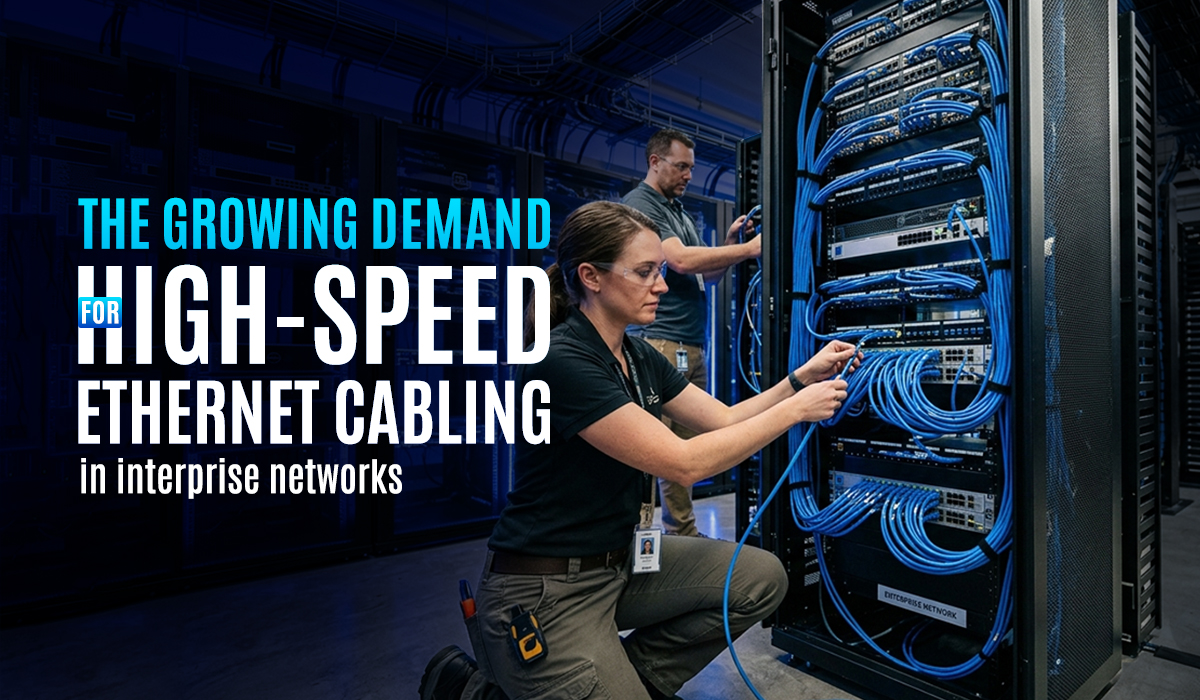
The technological shift has created growing interest in solutions like the Cat6a Ethernet cable, which can support higher speeds and improved performance in demanding environments.
From large corporate offices to data centers and industrial facilities, businesses are seeking network cabling that can handle current workloads while supporting future expansion. Understanding the reasons behind this growing demand helps organizations make informed decisions about their network infrastructure.
Digital Transformation and Network Growth
Digital transformation has changed the way businesses operate. Many organizations now rely on cloud based applications, virtual collaboration tools, customer relationship platforms, and data analytics systems. Each of these technologies requires consistent and high speed network performance.
The average enterprise network today carries significantly more traffic than it did a decade ago. Video conferencing, remote work solutions, and real time data processing have become standard business requirements. As bandwidth consumption rises, companies need cabling systems capable of supporting these increasing demands without creating bottlenecks.
A strong cabling foundation allows organizations to maintain productivity while ensuring smooth communication between departments, locations, and digital platforms.
The Rise of Data Intensive Applications
Many modern business applications consume substantial network resources. High definition video meetings, cloud storage synchronization, and large file transfers place continuous pressure on existing infrastructure.
A few common examples include:
Video conferencing platforms
Cloud computing services
AI driven analytics tools
Security surveillance systems
Enterprise resource planning software
These technologies require stable connections with minimal latency. Older cabling often struggles to keep pace with these requirements, which has encouraged businesses to upgrade their physical network infrastructure.
Why Speed Matters
High speed cabling does more than increase data transfer rates. It also improves overall network efficiency and user experience. Employees expect instant access to applications, shared files, and cloud resources regardless of their location within the organization.
Faster Data Transfers
Large files can move across the network more efficiently when bandwidth limitations are reduced. This becomes especially important for industries dealing with media production, engineering designs, and extensive databases.
Better Cloud Performance
Cloud adoption continues to grow across enterprises. Fast cabling helps maintain reliable communication between users and cloud based services, reducing delays during daily operations.
Improved Device Connectivity
Modern offices contain hundreds or even thousands of connected devices. High performance cabling supports these devices without creating unnecessary network congestion.
Future Network Readiness
Organizations often view network upgrades as long term investments. Choosing higher performance infrastructure today can help accommodate future technologies and evolving business requirements.
When businesses prioritize speed, they often experience gains in productivity, operational efficiency, and user satisfaction.
The Impact of Data Centers
Data centers represent one of the largest drivers behind Ethernet cabling demand. Enterprises increasingly store and manage critical information in centralized facilities where rapid data movement is essential.
Server virtualization, backup operations, and real time processing generate constant network traffic. Even small delays can affect application performance and customer experiences. As a result, data center operators continue investing in advanced cabling solutions designed to support higher bandwidth requirements.
Industry experts regularly emphasize that network performance begins with the physical infrastructure. Reliable cabling remains one of the most important components of a stable data center environment.
Supporting Emerging Technologies
Technology adoption continues to accelerate across industries. Artificial intelligence, machine learning, Internet of Things devices, and automated systems all contribute to growing network requirements.
For example, smart office environments often rely on connected sensors, security systems, and environmental controls. Each connected device generates data that must travel across the network efficiently. Likewise, AI platforms frequently process large datasets that require fast communication between servers and storage systems.
As these technologies become more common, enterprises need infrastructure that can support increased traffic volumes without compromising performance.
Choosing Quality Cabling
Not all Ethernet cabling solutions deliver the same results. Organizations should consider factors such as bandwidth capacity, signal integrity, installation environment, and long term scalability.
Businesses planning larger deployments often work with trusted suppliers of wholesale Ethernet cables to ensure consistency across their network infrastructure. Selecting quality products can reduce maintenance issues, improve reliability, and support future expansion plans.
Experienced network administrators also evaluate factors such as shielding requirements, cable management practices, and compatibility with existing equipment before making purchasing decisions.
Looking Ahead
Enterprise networks are expected to continue growing as businesses adopt more connected technologies and data driven operations. Higher bandwidth requirements, cloud dependence, and increasing device density will place even greater demands on network infrastructure in the coming years.
Organizations that invest in capable Ethernet cabling today are often better positioned to support future innovations while maintaining reliable performance. A strong physical network foundation helps businesses adapt to changing technology trends without frequent infrastructure replacements.
Conclusion
The growing demand for high speed Ethernet cabling is closely linked to the evolving needs of modern enterprises. Cloud computing, data intensive applications, connected devices, and emerging technologies all require dependable network performance.
As organizations continue expanding their digital capabilities, reliable cabling infrastructure remains a vital component of long term success. Companies that understand the value of scalable and high performance Ethernet solutions are better prepared to meet both current and future networking challenges.
Comments
Log in or sign up to join the conversation.