
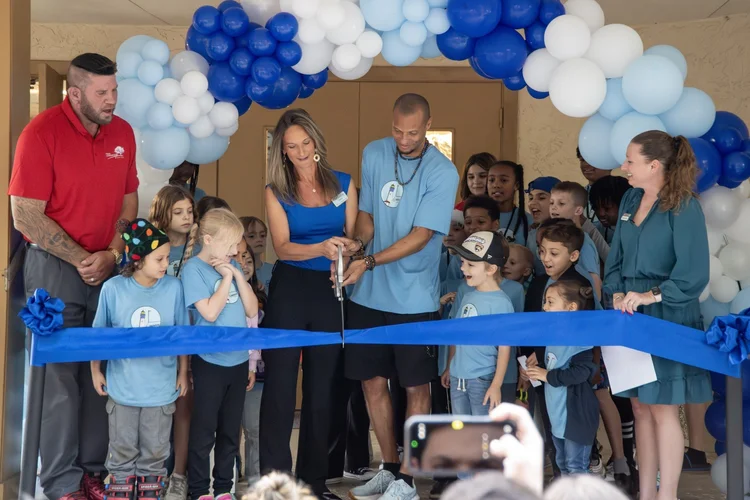
Education continues to evolve as families seek learning options that better align with their children's individual needs and goals. Traditional classrooms remain valuable for many students, but an increasing number of parents are exploring flexible educational models that emphasize personalized instruction and smaller learning communities. For families researching Lighthouse Learning Microschool, the appeal often comes from the opportunity to provide a more customized educational experience that focuses on academic growth, creativity, and meaningful engagement.
One of the primary reasons parents consider alternative education models is the desire for individualized attention. In large classrooms, teachers may face challenges when attempting to address the unique learning styles of every student. Smaller learning environments allow educators to better understand each student's strengths, interests, and areas that may require additional support. This personalized approach can help students feel more confident and motivated in their educational journey.
Flexibility is another major advantage of modern educational alternatives. Many families appreciate learning environments that can adapt to changing academic needs and personal circumstances. Flexible scheduling, customized lesson plans, and project based learning opportunities create an atmosphere where students can explore subjects in greater depth. This adaptability often encourages curiosity and a stronger connection to learning.
Students thrive when they feel actively involved in the educational process. Smaller educational settings frequently emphasize participation, collaboration, and hands on experiences. Rather than relying exclusively on lectures and standardized methods, educators often incorporate interactive activities that encourage critical thinking and problem solving. These experiences help students develop practical skills that can benefit them both inside and outside the classroom.
Strong relationships between educators and students are another valuable feature of smaller learning communities. Teachers have greater opportunities to understand individual personalities, learning preferences, and academic goals. This deeper connection often allows educators to provide guidance that is specifically tailored to each learner. Students who feel supported and understood may be more willing to ask questions, take academic risks, and pursue new challenges.
Parental involvement also tends to play a significant role in alternative education models. Families are often encouraged to participate in their children's learning experiences and maintain open communication with educators. This collaborative relationship creates a supportive environment where academic progress and personal development can be discussed regularly. When parents and educators work together, students often benefit from greater consistency and encouragement.
Another important aspect of modern learning environments is the focus on developing life skills alongside academic knowledge. Effective education extends beyond textbooks and examinations. Students benefit from opportunities to strengthen communication abilities, teamwork, leadership qualities, and time management skills. These competencies are valuable throughout higher education and future careers.
Technology continues to influence educational practices in meaningful ways. Many innovative learning environments incorporate digital tools that support personalized instruction and independent learning. Educational software, online resources, and interactive platforms can help students access information, complete assignments, and explore topics that align with their interests. When used thoughtfully, technology can enhance engagement and expand learning opportunities.
Creativity is another area that receives significant attention in many alternative educational settings. Students are often encouraged to explore artistic expression, innovation, and original thinking. Creative projects allow learners to apply academic concepts in practical ways while developing confidence in their own abilities. This emphasis on creativity can foster a lifelong appreciation for learning and discovery.
Community engagement also contributes to a well rounded educational experience. Students who participate in local projects, volunteer opportunities, and collaborative activities gain valuable perspectives about the world around them. These experiences help learners understand the importance of responsibility, empathy, and civic involvement. Education becomes more meaningful when students can connect classroom lessons to real world situations.
As educational options continue to expand, families have more opportunities than ever to choose environments that align with their values and objectives. Careful research, open communication, and thoughtful planning can help parents identify programs that support both academic success and personal growth. Every child has unique strengths and learning preferences, making it important to consider educational approaches that nurture individual potential.
For parents seeking a more personalized educational path, exploring a microschool near me may provide valuable insights into how smaller learning communities support student development. By emphasizing flexibility, meaningful relationships, individualized instruction, and practical skill building, these educational environments offer an alternative approach that can help students grow academically, socially, and personally while preparing for future opportunities and lifelong success.
Comments
Log in or sign up to join the conversation.