

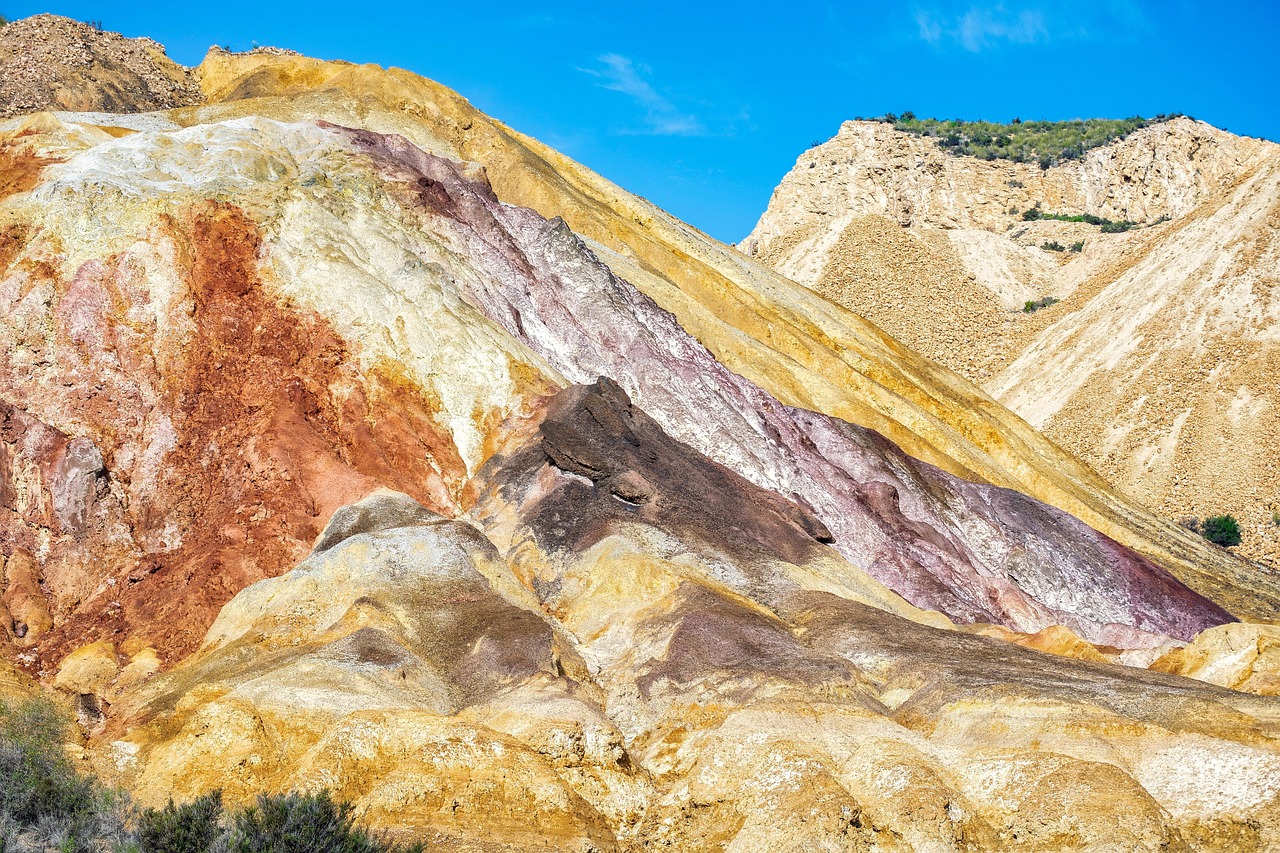
Critical minerals have moved from the background to the boardroom
Not that long ago, “critical minerals” mostly lived in procurement spreadsheets, engineering specs, and the occasional mining report that only a handful of people read. Now, they show up in CEO talking points and investor calls. And honestly, it makes sense. These materials sit underneath batteries, electric motors, power grids, electronics, crop nutrition, industrial safety, water treatment, and a lot of the stuff that keeps modern life humming along.
The International Energy Agency’s Global Critical Minerals Outlook 2025 puts some numbers behind the shift. Lithium demand rose by nearly 30% in 2024. Demand for nickel, cobalt, graphite, and rare earth elements climbed by about 6% to 8%, largely pushed by electric vehicles, battery storage, renewables, and grid upgrades.
The next challenge is not just production, it is resilience
The hard part is not only “find more rocks.” Supply security ends up being a systems problem. Permitting, processing capacity, water use, recycling, trade rules, responsible sourcing, logistics, and the unglamorous ability to turn raw material into a consistent product, at scale, over time, all of it counts.
You can see that broader definition showing up in policy, too. The U.S. Geological Survey’s final 2025 critical minerals list added 10 minerals, including copper, phosphate, and potash. That is a pretty clear signal that the conversation has moved past the classic battery metals and into infrastructure, food systems, and national economic security.
With that in mind, the companies below aren’t “the winners” in some simple way. They just illustrate different parts of the shift, from crop nutrients and specialty minerals to lithium, copper, cobalt, bromine, and large-scale mineral supply.
1. Connecting crop nutrition with specialty mineral value chains
ICL Group matters here because the critical minerals story is not only about lithium, nickel, and copper. It is also about the minerals that keep food production steady and industry functioning.
In its own business materials, ICL describes major potash, phosphate, and bromine natural resources, organized across segments like Growing Solutions, Industrial Products, Phosphate Solutions, and Potash. That lineup puts it in the middle of crop nutrition, specialty minerals, food and industrial markets, and some energy-related applications.
One detail worth paying attention to is positioning. The company has said it plans to keep supplying raw materials to battery customers, while not moving further downstream into cathode active materials. That may sound subtle, but it matters. It keeps ICL framed as a critical input player in the value chain, rather than a “battery materials giant” narrative that can get overstated fast.
2. Scaling lithium and bromine for energy and industrial demand
Albemarle shows how the critical minerals conversation keeps branching out. Yes, lithium is the headline, but bromine and other specialty elements quietly do a lot of work in the real economy.
The company describes itself as a leading provider of lithium, bromine, and other essential elements, tied to applications like mobility, electronics, energy, connectivity, and protection. In plain terms, lithium sits at the center of batteries and storage, while bromine shows up in areas like flame retardants and other specialty uses people don’t think about until something goes wrong.
The practical point is pretty straightforward. As EVs, grid storage, and connected devices expand, buyers are going to lean toward suppliers that can deliver a consistent product, know-how in processing, and long-term reliability. Still, lithium’s market volatility is a reminder that scale is not a magic shield. Cost discipline, efficient operations, and not being boxed into one demand cycle will likely matter as much as demand growth headlines.
3. Supplying diversified materials for a lower-carbon economy
Rio Tinto is a good example of the diversified mining model behind the transition. Its public reporting emphasizes a portfolio that is evolving as demand rises for materials tied to infrastructure, electrification, and the lower-carbon economy.
The company also says climate change and the low-carbon transition are central to its business strategy, and it notes that demand for commodities such as copper, lithium, and aluminum is expected to rise through 2050. That broader basket matters because economies do not electrify one mineral at a time. Copper goes into wiring and grids, aluminum supports lightweight transport and infrastructure, and lithium anchors battery systems.
The tougher, less exciting part is execution. New supply often takes years to permit, finance, build, and connect. And even when a mine exists, customers, regulators, investors, and communities increasingly want proof that the material is produced and processed in a way they can live with.
4. Building long-term exposure to copper
BHP highlights a point that gets missed in a lot of “energy transition metals” talk. Energy security and food security are getting tied together through mineral strategy, whether we like it or not.
In its 2025 annual report, BHP says it made progress strengthening growth options in copper and potash. Copper is foundational for electrification, power networks, industrial equipment, data centers, and urban infrastructure. Potash, meanwhile, plays a critical role in agricultural productivity and global food production.
For policymakers, investors, and industrial buyers, the lesson is straightforward: long-term planning matters. Tight copper supplies can affect everything from grid expansion and renewable energy deployment to manufacturing costs. Likewise, disruptions in potash markets can influence agricultural productivity and food prices. In both cases, securing access increasingly depends on building resilient supply chains before shortages emerge rather than reacting after they occur.
5. Managing copper, cobalt, nickel, and zinc exposure
Glencore is a reminder that critical minerals supply can be both essential and complicated. In its own materials, the company says it produces and markets metals and minerals, including copper, cobalt, zinc, nickel, and ferroalloys. Its first quarter 2026 production report also showed own-sourced production across copper, cobalt, zinc, lead, and nickel.
Those materials feed into EVs, batteries, electronics, steelmaking, infrastructure, and general industrial manufacturing. But the bigger lesson is not “we need more of everything.” Supply chains run into geopolitical risk, regulation, community pressure, and market shocks, especially where mining or processing is concentrated in a small number of places.
For industrial buyers, that tends to translate into a few unglamorous priorities: diversify suppliers, demand traceability, and treat logistics and contracts as risk tools, not paperwork. For producers, expectations keep rising around operational reliability, responsible sourcing, and the ability to keep product moving even when markets get choppy.
6. Linking lithium, iodine, potassium, and specialty chemistry
SQM adds a useful angle because minerals are not only mined and shipped, they are also turned into specialized inputs that serve totally different end markets.
SQM’s product areas include lithium and derivatives, iodine and derivatives, specialty plant nutrition, potassium, and industrial chemicals. In its fourth quarter 2025 earnings release, the company reported record quarterly sales volumes across its lithium businesses, and it described a stronger price environment in iodine.
That mix hints at something important. A resilient mineral business often looks less like a one-commodity bet and more like a portfolio of demand channels. Lithium ties to batteries and storage. Iodine ties to medical and industrial uses. Potassium ties to plant nutrition. If one cycle cools off, another may hold up, at least in theory, and that can be meaningful for customers who want steadier supply relationships.
7. Reinforcing the agricultural side of mineral security
Nutrien is a solid example of why the food system belongs in any serious “critical minerals” conversation. In its full year 2025 results, the company reported higher potash adjusted EBITDA, record sales volumes, and continued progress in mine automation. One specific stat that stood out: 49% of potash ore tonnes were mined using automation.
Potash matters because potassium is one of the three major crop nutrients, alongside nitrogen and phosphorus. Agricultural minerals have a different strategic feel than battery metals, but they are not “less important.” Food production gets squeezed by weather volatility, soil constraints, input costs, logistics, and trade disruptions. Stable access to crop nutrients can shape farm economics and, by extension, food supply resilience.
If anything, the takeaway here is that “critical” should not be defined only by clean energy technologies. It should also include the inputs that help farmers keep yields stable in a more resource-constrained world.
Conclusion: Securing minerals means securing systems
Critical minerals won’t be won or lost on extraction alone. The real deciding factors are the systems around them, responsible mining, reliable processing, smart logistics, recycling, transparent sourcing, efficient use, and end markets that can absorb materials at scale.
For business leaders, the question has shifted. It is not “will mineral demand matter.” It is “how do we secure access without ignoring environmental limits, geopolitical exposure, community expectations, and basic cost discipline.”
The companies that matter most in the next phase are likely to be the ones that connect resources to practical needs, food production, electrification, manufacturing, infrastructure, safety, and plain old resilience. And for buyers, investors, and policymakers, the opportunity is to look past short-term scarcity headlines and build mineral strategies that can hold up through the next decade and beyond.

Comments
Log in or sign up to join the conversation.