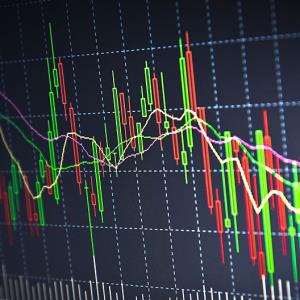

The Australian dollar has been unstable in recent times, going at $0.6706 per dollar which is the lowest rate since early September, forcing Australian banks to lower interest rates in an attempt to boost the weak economy. This is worrisome, especially since their economy has been expanded without a recession over the past 28 years, in part due to China’s purchases - making up one-third of Australian exports.
However, due to the discord between the American and Chinese markets, the Australian market is suffering, causing the Australian dollar to dip below $0.60 in August - an all time low since March 2009.
While the Australian treasurer encouraged America not to settle their disputes so easily and that they should opt for an “all-out trade war”, the American ambassador confirmed recently that the Trump administration is looking for a settlement on the US$400 billion trade gap with China, which puts Australia’s interest on the backburner. Despite Australia siding with America in the Huawei debacle and banning the 5G rollout in the country, it seems that China will be focusing their import trade with America and taking Australia out of the picture.
In what looks like punishment, China announced that they will commit to purchasing increased amounts of liquefied natural gas from America instead of Australia, with whom they have had a long standing trade relationship. By allocating the next 20 years of trade to the US, Australia will need to find new ways to patch up the market hole left by the economic trade giant.
Another reason the banks are cutting interest rates is to help bolster the labour force. With unemployment rates at an all-year high at 5.3%, Governor Lowe explained in a statement released with the new rates that, “the Board took the decision to lower interest rates further today to support employment and income growth and to provide greater confidence that inflation will be consistent with the medium-term target.”
Despite the currency taking a dip, the real estate market is seeing a spike since an 18 month decline. More and more Australians are feeling confident in the current economy - in a recent survey, 59% believe that now is the time to purchase real estate, which is up 4% from May. There is increased traffic in home-viewers and Millennials are more determined than ever to possess a house of their own.
Australians remain hopeful, even with the low employment rates and dipping market. The bright side to this is that Australia needs to grow by trading with other countries. Losing the crutch of China is exactly what the country needs in order to further expand. Instead of depending solely on one market, the Australian economy will thrive by trading with various markets internationally, giving the country a security it never had before, when trading solely with China.
Comments
Log in or sign up to join the conversation.