
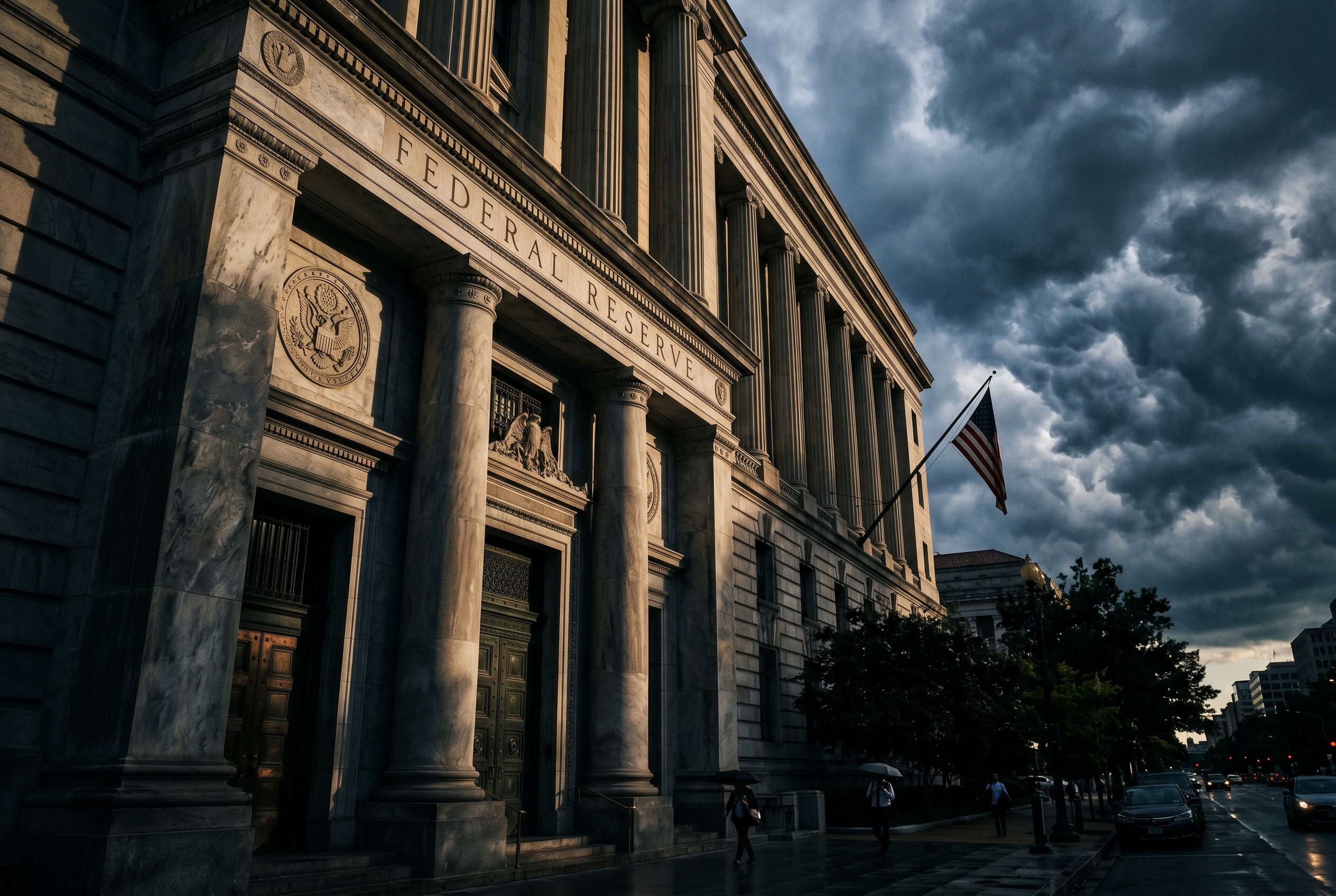
The number the Federal Reserve watches most closely just came in hotter than anyone wanted.
The Personal Consumption Expenditures (PCE) Price Index rose 3.8% year-over-year in April 2026. That is the highest reading since May 2023 and puts inflation well above the Fed's 2% target for the third straight year. Core PCE, which strips out food and energy, came in at 3.3% annually and 0.24% for the month.
The timing matters. The Fed's next meeting is June 16-17. Markets had been pricing in a long pause. That calculus is shifting.
What the Numbers Actually Say
April PCE was slightly below the 3.9% economists expected, which is why stocks did not immediately collapse on the release. But "less bad than feared" is not the same as good. The Fed is sitting on a federal funds rate of 3.50% to 3.75%, a level it has held since its April 29 meeting. At 3.8% inflation, real rates are barely positive. That is not a restrictive posture.
Elevated energy prices, partly driven by the Iran conflict, are a meaningful contributor. Remove that factor and the picture is still uncomfortable. Services inflation remains sticky. Shelter costs are not retreating at the pace the Fed projected.
The Rate Hike Question
CME FedWatch data shows nearly 100% probability the Fed holds at the June meeting. That was never in question. The question is what comes after.
Futures traders now assign a 40% probability to at least one quarter-point rate hike before the end of 2026. The probability of two hikes sits at 22%. Three months ago, almost no one was pricing in any hike at all. The shift is significant.
Minutes from the April FOMC meeting showed a more hawkish tilt than the public statement suggested. Several participants indicated further tightening "would likely be appropriate" if inflation fails to move convincingly toward the 2% target.
What This Means for Your Portfolio
Rate hike expectations are already moving long-term yields. The 10-year Treasury is near 4.7%. The 30-year has touched 5.2%, its highest level in 19 years. When the cost of money is repriced this aggressively, everything from growth stocks to real estate to corporate borrowing costs feels the pressure.
The sectors that benefit from a higher-for-longer rate environment tend to be financials, short-duration bonds, and energy. Growth names with no near-term earnings carry the most risk.
Bottom Line
The Fed is not hiking next month. But the April PCE report has materially increased the probability they will before the year ends. Investors who positioned for rate cuts in 2026 need to revisit that thesis. A 3.8% inflation print with 40% hike odds is not the environment that assumption was built on.


Comments
Log in or sign up to join the conversation.