
By The Numbers
3.50%-3.75%, current Fed funds rate range, unchanged in 2026
25.1% probability, futures market odds of a rate hike at the July 29 FOMC meeting
4.2%. CPI year-over-year as of May 2026, well above the Fed's 2% target
4.2%, unemployment rate in June 2026 (coincidence, not causation)
Early 2027, earliest the FOMC minutes suggest rate cuts could happen
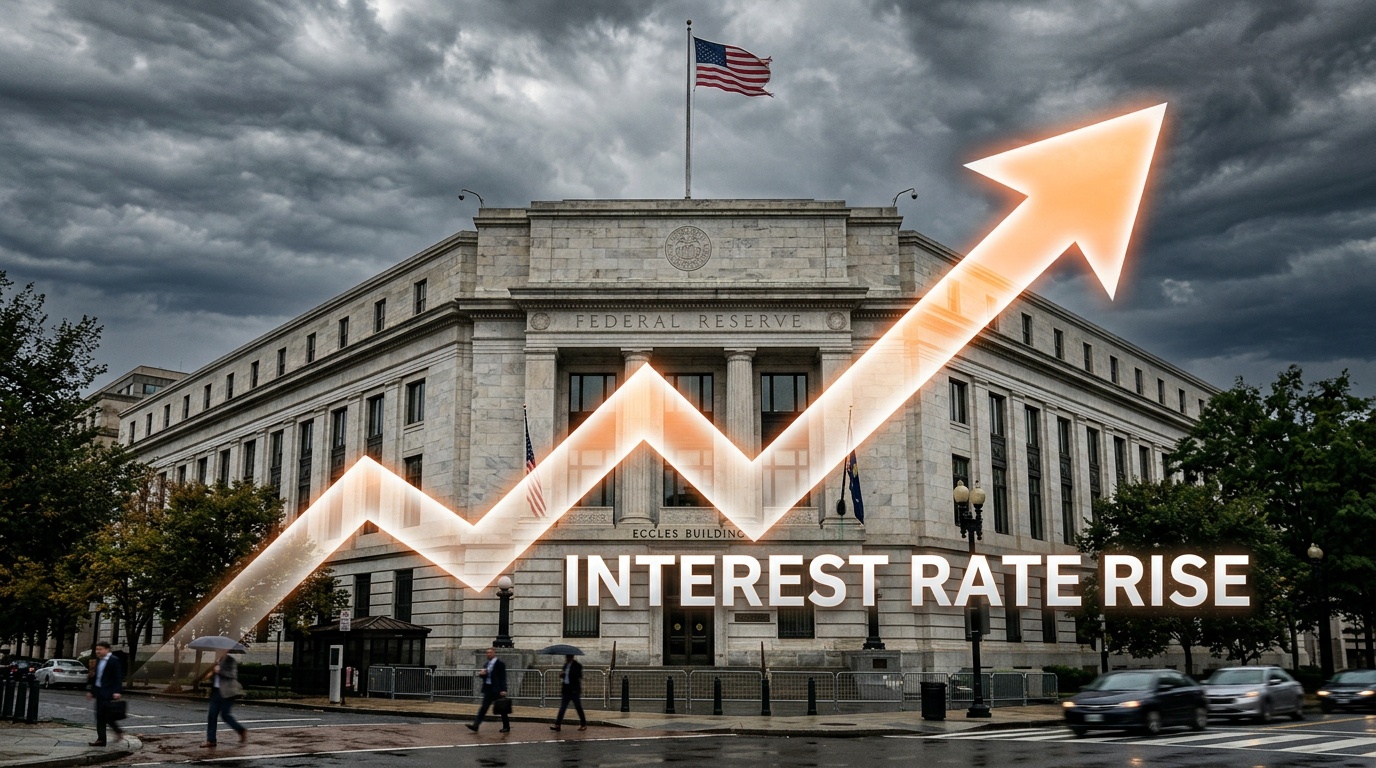
The Federal Reserve will not cut rates at its July 29 meeting. There is now a one-in-four chance it hikes instead. That is not a headline anyone expected to write going into the second half of 2026. But here we are, and your portfolio positioning needs to reflect it.
Inflation Won't Quit
The Fed has held rates at 3.50%-3.75% all year. The assumption was that inflation would cool enough to justify cuts by mid-2026. That assumption was wrong. CPI came in at 4.2% year-over-year in May, more than double the 2% target. June's number isn't out yet, but there's no evidence of meaningful deceleration.
The FOMC minutes from June didn't just rule out cuts. They said some members see a "case for hiking rates." That language doesn't appear in Fed minutes without meaning something. The futures market caught that signal. Hence the 25% hike probability showing up in July.
It's kinda like a doctor who told you the fever would break by Tuesday. It's Thursday. The fever is still 102. They haven't ruled out stronger medicine.
What This Does to Your Portfolio
Hold on. Let me stop here. "No rate cuts until 2027" changes the math on a lot of assets.
Long-duration bonds get hit hardest. If the market starts pricing in 2027 cuts instead of 2026 cuts, the 10-year Treasury yield moves higher, and bond prices fall. Growth stocks with earnings far in the future also get repriced when the discount rate stays elevated. Cash equivalents and short-term Treasuries remain genuinely attractive. A 5% money market rate with near-zero duration risk is not a bad deal.
"The Fed's job is to get inflation to 2%. Not to protect your equity portfolio. When those two things conflict, the Fed chooses inflation. Every time."
The One Date That Matters
The CPI print for June arrives July 15. That report, more than any other data point, will determine what the Fed does on July 29. If June CPI surprises to the downside, hike odds drop and the market rallies. If it comes in hot again, the market reprices for a hike and you'll see selling in rate-sensitive sectors.
You don't have to trust me. Trust the math. Inflation at 4.2% with a 3.75% policy rate means the Fed is not even keeping up with inflation in real terms. That situation doesn't last. Either inflation comes down or rates go up.
P.S. Circle July 15 on your calendar. That's the June CPI release. Set a reminder. The Fed's next move is hiding in that number.

Comments
Log in or sign up to join the conversation.