
Wall Street spent Wednesday acting like a pause means the inflation fight got soft. That is the wrong read.
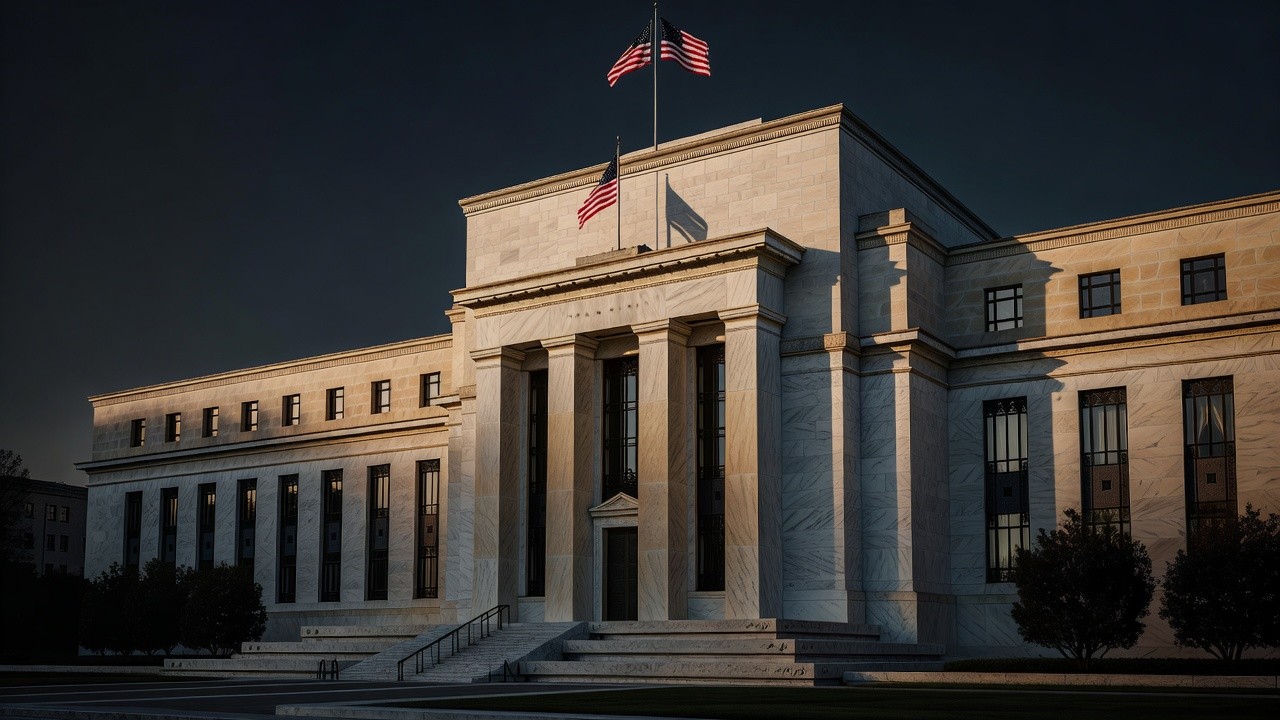
The Federal Reserve kept the federal funds target at 3.75% to 4% on a 10-2 vote, with two officials wanting another quarter-point hike right away, while the statement still called inflation elevated and Chair Kevin Warsh still said prices are too high. So why sit still?
My take is simple. This was a timing pause after September’s first hike in three years, not a white flag. The committee wants a clean look at the next batch of data before December, and your car loan, credit card, and mortgage do not care about that calendar. They care about long rates that are still expensive.
What the Fed actually said
The official language upgraded growth. Economic activity is expanding at a strong pace, domestic spending has been resilient, and productivity and capital investment look healthy. Job gains have kept pace with the workforce, and unemployment has changed little.
Then came the hard line. Inflation remains elevated, more information will help set the stance that gets prices back to the 2% goal in time, and the Committee will deliver price stability.
That last sentence is the point. Warsh has been clear that 2% means 2%, not a fuzzy band somewhere in the twos, and he also said financial conditions are tighter than they were without calling them tight. In kitchen English, the medicine is working some and the patient is still running a fever.
Lisa Cook and Beth Hammack dissented for a hike. Treat that as a fight over timing rather than a room that suddenly stopped caring about inflation. September’s move was unanimous. October’s hold split the table on speed.
Why hold now, with inflation still hot
September consumer prices rose 3.7% over the year, and core prices stripping food and energy rose 2.6%. Energy has moved higher again in recent weeks, and Warsh flagged the risk that sector spikes bleed into everything else if expectations slip.
So why not hike again immediately? Three practical reasons stack without needing a conspiracy chart.
First, they already raised in September, and back-to-back hikes are optional rather than automatic when growth is strong and the labor market is not melting. Second, Warsh called the stretch ahead information-rich, with fresh inflation and spending data landing between now and the December meeting, so skipping one meeting to read the data is how a data-dependent Fed behaves when it is not panicking. Third, most of the room does not see an economy that is clearly overheating into a runaway boom. Strong growth can support activity and still leave the inflation job unfinished, especially after the first-half GDP path was revised higher and the third quarter looks even firmer.
Politics around the midterms will get airtime on cable. Warsh said politics played no role and the election was not discussed. Take him at his word on process, then watch the numbers anyway, because central banks earn trust with results rather than press lines.
What you still pay
The overnight funds rate is the Fed’s steering wheel, but your household feels the long end of the market more.
The 10-year Treasury yield finished the decision window near 5%, and that is the reference rate that helps set mortgages, many business loans, and a lot of pricing for stocks against a “safe” bond alternative. Freddie Mac’s latest weekly average for a 30-year fixed mortgage was about 7.3%. A Fed hold does not magically cut that bill, because mortgage rates track the bond market’s inflation and growth story more than the last FOMC vote.
For investors, the hold removes one near-term shock and leaves the bigger argument open. Rate-sensitive corners still live with expensive money, cash-rich mega-caps can keep funding themselves, and credit quality plus interest expense on the next earnings stack matter more than a one-day relief bounce.
What would change my mind
I would rethink the pause-as-patience frame if the next inflation readings cool cleanly, energy stops climbing, and long yields ease without a growth scare. Then December can stay on hold without looking soft.
I would also rethink it the other way if prices re-accelerate across services and goods, not just gas, and the 10-year keeps grinding higher while consumers still spend. Then the two dissenters look early rather than wrong, and another hike is insurance the majority can no longer skip.
Bottom Line
The Fed held rates at 3.75% to 4% with inflation still above target because it wants more data before December, not because the price fight is over. Two officials wanted to move now. Main Street still pays through a near-5% 10-year and mortgages around 7%. Watch the next inflation reports and the long bond, not the victory-lap headlines about a pause.


Comments
Log in or sign up to join the conversation.