

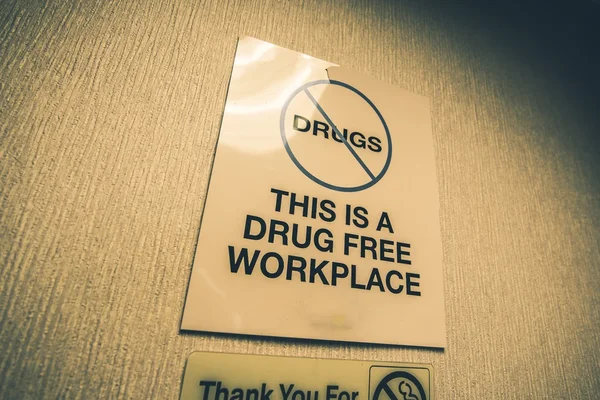
For employers managing drug-free workplace programs, the question is rarely whether to test — it's how to test efficiently, accurately, and in full compliance with applicable regulations. As on-site testing technology has matured, multi-panel urine drug tests have become the standard for organizations that need reliable results without the delays and costs associated with laboratory processing.
This guide explains how multi-panel drug testing works, what employers need to know about regulatory compliance, and how to select the right product for your organization's needs.
What Is a Multi-Panel Drug Test?
A multi-panel drug test screens a single urine specimen for multiple controlled substances simultaneously. Panel counts typically range from 5 to 16, with each panel targeting a specific drug class or metabolite. Common substances included in workplace panels are:
Marijuana (THC)
Cocaine (COC)
Opiates (OPI/OXY/BUP)
Amphetamines and methamphetamines (AMP/MET)
Phencyclidine (PCP)
Benzodiazepines (BZO)
Barbiturates (BAR)
Tricyclic antidepressants (TCA)
The panel configuration your organization selects should reflect your industry's regulatory requirements, your geographic risk profile, and the substances most likely to impair employee performance in your specific work environment.
The Regulatory Landscape: CLIA Waiver and FDA Clearance
Two regulatory designations matter most when evaluating on-site drug testing products for workplace use.
CLIA Waiver: Granted by the Centers for Medicare and Medicaid Services (CMS), a CLIA waiver certifies that a test is simple enough to be performed by non-laboratory personnel with a low risk of error. CLIA-waived tests can be administered on-site without a certified laboratory, making them ideal for employer-run programs.
FDA 510(k) Clearance: This designation confirms that the FDA has reviewed the device and determined it is substantially equivalent to a legally marketed predicate device in terms of safety and effectiveness. For employers, FDA clearance adds a critical layer of defensibility — particularly important when test results are used to make employment decisions.
Together, these two designations represent the gold standard for on-site workplace drug testing products.
Why Integrated Cup Designs Are the Preferred Format
Among the available multi-panel testing formats — dip cards, cassettes, and integrated cups — the integrated cup has become the preferred choice for high-volume employer programs. Here's why:
All-in-one design: Specimen collection, adulteration testing, and immunoassay screening occur in a single tamper-evident device, reducing handling steps and chain-of-custody complexity
Built-in validity checks: Most integrated cups include creatinine, pH, and oxidant adulterant strips to detect specimen tampering
Faster results: Results are readable in 5 minutes or less, enabling real-time decision-making
Reduced training burden: Simplified procedures mean non-clinical staff can administer tests reliably after minimal training
For organizations running pre-employment, random, post-accident, or reasonable suspicion testing programs, DrugScreens.com supplies a multi panel urine drug test cup that carries both CLIA waiver and FDA 510(k) clearance — offering the most defensible, operationally efficient solution available.
Selecting the Right Panel Configuration
Panel selection is one of the most consequential decisions in designing a workplace drug testing program. Consider the following factors:
Federal vs. State Requirements: DOT-regulated industries (transportation, aviation, pipeline, etc.) must follow SAMHSA's 5-panel standard. Non-regulated employers have more flexibility but should align their panels with state law and industry best practices.
Emerging Substance Trends: The opioid crisis has prompted many employers to expand their panels to include oxycodone, buprenorphine, and fentanyl. Similarly, the proliferation of synthetic cannabinoids has led some organizations to add K2/Spice panels.
Cost vs. Coverage: Higher panel counts increase per-test cost. Employers should balance comprehensive coverage against budget constraints, focusing additional panels on substances with documented prevalence in their workforce or industry.
Operationalizing Your Testing Program
Beyond product selection, a compliant workplace drug testing program requires clear written policies, trained collection personnel, a defined chain of custody process, and a Medical Review Officer (MRO) relationship for confirmatory testing of non-negative results. Employers should also establish protocols for handling refusals, dilute specimens, and employee challenges to results.
Bulk purchasing from a reliable supplier with direct manufacturer relationships ensures consistent product availability and cost predictability — critical for organizations running ongoing random testing programs at scale.
Conclusion
Multi-panel on-site drug testing represents the most practical, cost-effective approach for the majority of employer drug testing programs. By selecting FDA-cleared, CLIA-waived integrated cup devices with the right panel configuration, organizations can maintain compliance, protect workplace safety, and make faster, more confident employment decisions — without the delays and costs of laboratory-based testing.



Comments
Log in or sign up to join the conversation.