

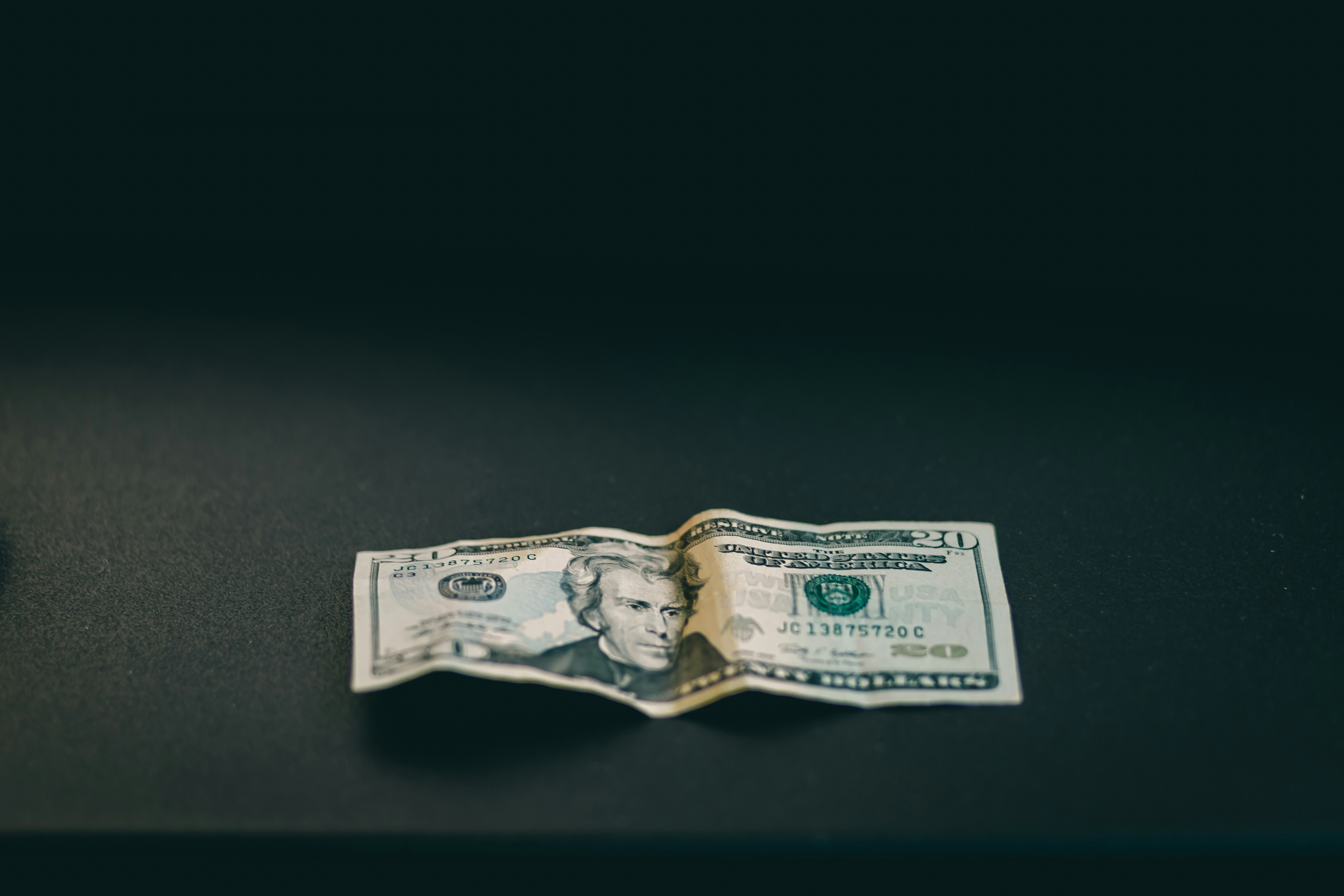
The US dollar has lost roughly 10% of its trade-weighted value since early 2025. National debt just blew past 39 trillion USD. Countries from Saudi Arabia to China are settling trades in non-dollar currencies. The question isn’t whether the greenback is weakening. It’s how fast, and what takes its place.
The State of Play
The dollar still holds about 57% of global FX reserves and features in 89% of all currency trades. But that 57% was 71% in 2000. The drift is steady and, if anything, accelerating.
What’s driving it? US debt is piling up at a pace that would embarrass most governments. The CBO projects deficits hitting 3.1 trillion USD by 2036 and debt reaching 120% of GDP. Interest payments alone now top 1 trillion USD a year. Add to that the weaponisation of SWIFT sanctions (which has spooked half the developing world), erratic trade policy, and questions about Fed independence, and you start to see why reserve managers are diversifying.
Then there’s the petrodollar. Saudi Arabia is now accepting yuan for oil. Russia, Iran, the UAE and others are doing the same. Around 80% of oil trade still settles in dollars, but that number used to be closer to 100%. The mBridge payments platform processed over 55 billion USD in non-dollar transactions by late 2025. When I first looked at petrodollar data a year ago, I thought most of the talk was overblown. The numbers have changed my mind.
The Contenders
Currency | FX Reserves | Strengths | Weaknesses | USD Threat? |
Euro (EUR) | ~20% | Deep markets, rule of law, stable policy | Slow growth, energy dependency | Yes, gradually |
Yuan (CNY) | ~2.5% | Trade flows, petroyuan, CBDC | Capital controls, political risk | Regionally |
Gold | ~9-20% | No counterparty risk | No yield, not practical for trade | Hedge only |
Yen (JPY) | ~5.5% | Deep markets, safe haven | Ageing population, huge debt | Marginal |
The euro is the most credible challenger. Inflation near the ECB’s 2% target, Germany’s fiscal expansion kicking in, record ETF inflows into European assets, and a current account that looks far healthier than America’s. It also carries none of the political baggage: nobody gets sanctioned for holding euros.
The yuan has momentum but faces real structural limits. Capital controls, lack of convertibility, and political risk make it a regional tool rather than a global reserve alternative. Gold is doing well (J.P. Morgan forecasts 4,000 USD per ounce by mid-2026), but it’s a hedge, not a replacement. And a BRICS currency? India’s own foreign minister has said the country was never in favour of de-dollarisation. That tells you enough.
Why I Favour the Euro
This is a personal view, so take it as such. I increasingly prefer euro-denominated assets for long-term positions. Not because the eurozone economy is exciting, but because the risk profile over a 5-10 year window looks better than the dollar’s.
The US has no realistic path to reducing its deficits. The eurozone is moving in the opposite direction. Portugal’s debt ratio is heading below 90% (down from 121% in 2021). Germany is spending on infrastructure. Unemployment across the bloc sits at a record-low 6.2%. And euro-denominated bonds are yielding 2.75% on average, the most attractive level since 2011.
We’re not saying dump every dollar asset you own. But if you’re overweight in USD (and most investors are), a tilt toward the euro makes sense right now. J.P. Morgan’s FX team turned bullish on EUR/USD in early 2025. Morningstar sees the dollar’s weakness as a cyclical turning point. We tend to agree.
The Other Side
The dollar is still the world’s shock absorber. In a proper crisis, everyone reaches for greenbacks first. The current Middle East war actually proves this: spiking oil prices create short-term dollar demand. And no alternative is truly ready to replace the dollar at scale. This isn’t a collapse story. It’s a slow shift toward a multipolar currency world where the dollar keeps the top spot but shares more of the stage.
FAQ
Will the dollar lose its reserve status?
Not soon. But its share of global reserves has been falling steadily for two decades and that trend is likely to continue. The dollar will remain dominant, just less so.
Is the euro a good investment alternative?
Right now, yes. Inflation is controlled, yields are attractive, and the eurozone’s fiscal trajectory is improving. But it carries its own risks, particularly around energy dependency and uneven growth across member states.
What happens if oil stops trading in dollars?
It would significantly cut global dollar demand and make it harder for the US to finance its deficits cheaply. A full shift is unlikely near-term, but the trend toward non-dollar oil settlement is already well underway.
Should I buy gold as a dollar hedge?
A modest 5-10% portfolio allocation to gold is a reasonable hedge. Central banks are buying at record levels and prices are heading toward 4,000 USD per ounce. But gold produces no income, so it works better as insurance than as a core holding.
Comments
Log in or sign up to join the conversation.