
Discover how quality CNC tools improve precision, productivity, and performance. Learn about Deskar inserts, thread mills, and modern machining solutions.
Everything You Need to Know About CNC Tool Performance for Modern Manufacturing
Introduction
In today's competitive manufacturing landscape, precision and productivity determine the success of every machining operation. Whether manufacturing automotive components, aerospace parts, medical devices, or industrial equipment, businesses rely on advanced CNC machining to deliver consistent, high-quality products. However, even the most advanced machines cannot achieve optimal performance without using the right tooling.
A high-quality CNC tool plays a crucial role in improving machining accuracy, extending tool life, minimizing downtime, and reducing production costs. Investing in premium tooling allows manufacturers to maintain tight tolerances while maximizing efficiency across every production cycle.
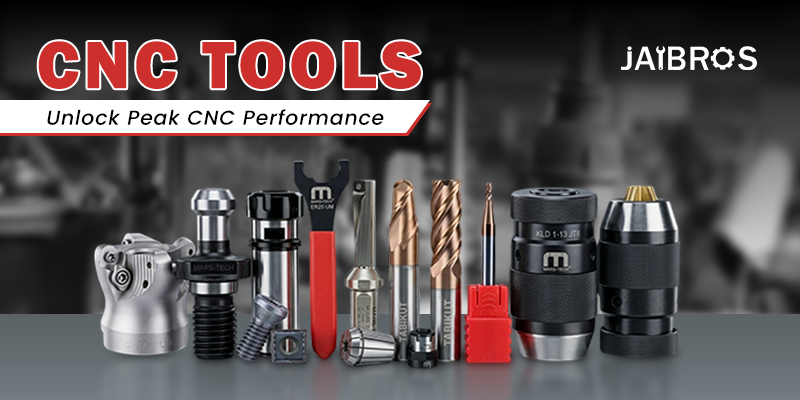
Today, businesses often compare suppliers by purchasing CNC tools online or searching for CNC tools near me to find reliable products that meet their machining requirements. This guide explores everything manufacturers need to know about CNC tool performance, quality, and selecting the right tooling solutions for long-term success.
Why CNC Tool Performance Matters
Tool performance directly affects every aspect of the machining process. Cutting speed, dimensional accuracy, surface finish, and production efficiency all depend on the quality of the tooling being used.
A premium CNC tool offers several important advantages:
Higher machining accuracy
Better surface finishes
Longer operational life
Reduced machine downtime
Improved production consistency
Lower maintenance costs
Poor-quality tooling, on the other hand, often causes premature wear, vibration, inaccurate cuts, excessive heat generation, and increased scrap rates. These issues not only reduce productivity but also increase overall manufacturing expenses.
For businesses seeking sustainable growth, investing in superior tooling is one of the smartest long-term decisions.
Key Factors That Determine Tool Quality
Several factors influence the overall performance of machining tools.
Material Quality
Premium cutting tools are manufactured using high-grade carbide, ceramics, or coated alloys that provide superior hardness and wear resistance.
Tool Geometry
Proper flute design, cutting angles, and edge preparation help reduce cutting forces while improving chip evacuation and machining accuracy.
Coating Technology
Modern coatings improve heat resistance, reduce friction, and significantly extend tool life.
Popular coatings include:
Titanium Nitride (TiN)
Titanium Aluminum Nitride (TiAlN)
Diamond-Like Carbon (DLC)
Manufacturing Precision
High manufacturing standards ensure every tool maintains dimensional accuracy and consistent cutting performance throughout its lifespan.
A well-designed CNC tool delivers reliable results even under demanding production conditions.
Types of CNC Machine Used in Manufacturing
Understanding the different types of CNC machine helps manufacturers choose appropriate tooling for specific machining applications.
CNC Milling Machines
These machines perform drilling, slotting, contouring, and surface machining using rotating cutting tools.
CNC Lathes
CNC lathes rotate the workpiece while stationary tools shape cylindrical components with exceptional precision.
CNC Routers
Routers are commonly used for machining plastics, wood, aluminum, and composite materials.
CNC Grinding Machines
Grinding machines provide precision finishing and excellent surface quality for hardened materials.
CNC Plasma Cutting Machines
These systems efficiently cut conductive metals using high-temperature plasma arcs.
CNC Laser Machines
Laser systems offer exceptional cutting precision for thin metals, plastics, and non-metallic materials.
Each machine type requires specialized tooling to maximize productivity and accuracy.
How to Choose the Best CNC Tools
Selecting the best CNC tools involves much more than comparing prices.
Manufacturers should evaluate several important factors before making purchasing decisions.
Material Compatibility
Different materials require different cutting strategies.
For example:
Aluminum requires sharp cutting edges.
Stainless steel demands heat-resistant tooling.
Titanium requires rigid tooling with advanced coatings.
Cutting Speed
Premium tools support higher cutting speeds while maintaining dimensional accuracy.
Rigidity
Rigid tools reduce vibration and chatter, producing cleaner cuts and extending tool life.
Tool Life
Long-lasting tools reduce replacement frequency and improve overall production efficiency.
Choosing the correct CNC tool for every machining application leads to better productivity and lower operating costs.
Why Deskar Inserts Are Popular
Among modern indexable tooling solutions, Deskar inserts have become increasingly popular for precision machining.
These replaceable cutting inserts provide several advantages:
Excellent wear resistance
Consistent cutting performance
Reduced tooling costs
Easy replacement
High-speed machining capability
Manufacturers use Deskar inserts for turning, milling, grooving, and profiling operations because they help reduce downtime while maintaining machining accuracy.
Selecting the correct insert geometry and coating further improves machining performance across different materials.
Thread Mill: A Smarter Threading Solution
Threading operations require both accuracy and reliability.
The thread mill has become an excellent alternative to conventional tapping because it provides greater flexibility and precision.
Major advantages include:
Better thread quality
Lower breakage risk
Improved chip evacuation
Ability to create multiple thread sizes
Easier correction of machining errors
Thread milling is especially beneficial for hardened materials and expensive workpieces where tool failure can become costly.
Importance of Accurate Measurement
Precision machining depends not only on cutting performance but also on accurate inspection.
A digital caliper vernier is one of the most widely used measuring instruments in manufacturing.
Its advantages include:
Fast digital readings
Excellent measurement accuracy
Easy metric and inch conversion
Reduced human reading errors
Faster quality inspections
Reliable measuring equipment ensures that finished components consistently meet engineering specifications and customer expectations.
Buying CNC Tools Online vs Local Suppliers
With digital procurement becoming increasingly popular, manufacturers now have multiple options for purchasing industrial tooling. While many companies prefer buying CNC tools online, others continue to search for CNC tools near me to benefit from immediate availability and technical assistance.
Benefits of Buying CNC Tools Online
Purchasing tooling online offers several advantages:
Access to a wider range of products
Easy comparison of specifications and pricing
Convenient ordering process
Customer reviews and ratings
Availability of the latest tooling technologies
Online purchasing is particularly useful for manufacturers looking for specialized tooling or comparing products from multiple brands before making an investment.
Benefits of Buying from Local Suppliers
Local suppliers remain valuable because they provide:
Faster delivery during urgent production needs
Technical consultation
Product demonstrations
Immediate replacement of damaged tools
Strong after-sales support
Many production facilities combine both purchasing methods to maintain inventory while ensuring uninterrupted manufacturing operations.
Common Mistakes When Selecting CNC Tooling
Even experienced manufacturers occasionally make tooling decisions that reduce machining efficiency. Avoiding these mistakes can significantly improve productivity and lower operating costs.
Choosing Price Over Quality
One of the most common mistakes is purchasing the cheapest available tooling without considering long-term performance.
A premium CNC tool may cost more initially but lasts considerably longer, resulting in fewer replacements and lower operating costs.
Using the Wrong Tool for the Material
Different materials require different cutting geometries, coatings, and machining strategies.
Using unsuitable tooling increases wear, reduces accuracy, and shortens tool life.
Ignoring Cutting Parameters
Incorrect spindle speeds and feed rates generate excessive heat and vibration, reducing machining quality.
Following manufacturer recommendations helps maximize tool performance.
Delaying Tool Replacement
Operating with worn cutting edges negatively affects machining accuracy and surface finish while increasing machine stress.
Replacing tools at the appropriate intervals ensures consistent production quality.
Neglecting Preventive Maintenance
Routine inspection and maintenance help identify worn or damaged tooling before it causes production issues.
Tips for Extending Tool Life
Maximizing tooling life improves production efficiency and reduces operating expenses.
Manufacturers can extend tool life by:
Selecting the correct tooling for each material
Using recommended cutting speeds and feeds
Applying proper coolant during machining
Monitoring tool wear regularly
Maintaining machine rigidity
Properly storing unused tooling
Following these practices helps manufacturers achieve greater consistency and higher productivity.
Future Trends in CNC Tooling
Manufacturing technology continues to evolve rapidly, bringing new innovations that improve machining performance.
Some of the most important trends include:
Smart Tool Monitoring
Modern sensors can detect tool wear in real time, allowing operators to replace tools before machining quality declines.
Artificial Intelligence
AI-powered machining software automatically optimizes cutting parameters to improve efficiency.
Advanced Coatings
New nano-coatings significantly increase wear resistance while reducing friction during high-speed machining.
Sustainable Manufacturing
Manufacturers increasingly focus on longer-lasting tools that reduce waste and improve energy efficiency.
Industry 4.0 Integration
Digital manufacturing systems now monitor machine performance, tooling condition, and production efficiency simultaneously.
These advancements will continue improving machining precision while reducing production costs.
Why Investing in Quality Tooling Pays Off
Quality tooling should never be viewed simply as an expense.
Instead, it should be considered an investment that delivers measurable returns through:
Higher machining accuracy
Reduced downtime
Lower maintenance costs
Improved customer satisfaction
Increased production efficiency
Longer machine life
Selecting a premium CNC tool allows manufacturers to remain competitive in industries where precision and productivity are essential.
Businesses that invest in superior tooling consistently achieve better production outcomes and stronger long-term profitability.
Conclusion
Modern manufacturing demands exceptional precision, maximum productivity, and consistent quality. Every machining operation depends on the performance of its tooling, making quality one of the most important investments a manufacturer can make. A premium CNC tool not only delivers greater accuracy and longer service life but also minimizes downtime, reduces waste, and lowers the total cost of production. As manufacturing technologies continue to evolve, businesses that prioritize high-quality tooling will be better positioned to meet customer expectations and maintain a competitive advantage.
For manufacturers looking for dependable industrial tooling solutions, Jaibros has earned a reputation as a trusted supplier of premium machining products. From high-performance cutting tools and Deskar inserts to thread mill solutions, precision measuring instruments like the digital caliper vernier, and a wide range of machining accessories, Jaibros is committed to helping businesses improve productivity, achieve greater precision, and maximize operational efficiency. Whether you are upgrading your tooling inventory or exploring advanced machining solutions, Jaibros offers reliable products designed to support the evolving needs of today's manufacturing industry.
Frequently Asked Questions (FAQs)
1. Why is tool quality important in CNC machining?
High-quality tooling improves machining accuracy, extends tool life, reduces downtime, minimizes scrap, and lowers overall manufacturing costs while delivering consistent production results.
2. What are the different types of CNC machine used in manufacturing?
Common types of CNC machine include CNC milling machines, CNC lathes, CNC routers, CNC grinding machines, CNC plasma cutting machines, and CNC laser machines. Each machine is designed for specific machining applications.
3. Why are Deskar inserts widely used?
Deskar inserts provide excellent wear resistance, easy replacement, improved machining consistency, and reduced tooling costs, making them a popular choice for turning and milling operations.
4. What are the advantages of using a thread mill?
A thread mill produces highly accurate threads, reduces tool breakage, improves chip evacuation, and allows multiple thread sizes to be created with greater flexibility than conventional taps.
5. Should manufacturers buy CNC tools online or from local suppliers?
Buying CNC tools online offers greater product variety and competitive pricing, while searching for CNC tools near me provides faster delivery, local technical support, and immediate product availability. Combining both purchasing methods often delivers the best results.
Comments
Log in or sign up to join the conversation.