

There was a time when a beach trip in India meant one thing for most people—Goa. Just Goa. No long research, no travel reels, no endless comparison videos. You booked tickets, packed light clothes, called a few friends, and that was pretty much the plan.
Now? The travel experience feels completely different.
And honestly, I did not expect the shift to happen this fast.
Goa is still one of the most talked-about destinations in the country, but the way people travel there, talk about it online, and even emotionally connect with it has changed a lot over the last few years. You can actually notice it in social media campaigns, travel PR stories, hotel branding, and even the tone of influencer content.
Kind of strange when you think about it. A place stays the same geographically, yet the experience around it keeps evolving.
Travel is not just travel anymore
A beach holiday today is not only about beaches.
That sounds obvious, maybe. But if you work around media, tourism campaigns, or digital publishing, you start noticing how travelers now want layered experiences. They want stories attached to locations.
A person visiting Goa in 2026 is probably thinking about the following:
café aesthetics,
local culture,
remote work spots,
eco-friendly stays,
nightlife,
hidden villages,
content creation,
wellness retreats,
and short-form video moments.
All at once.
Earlier, tourism boards mostly promoted sunsets and parties. Now brands push “slow travel,” local food trails, heritage walks, and peaceful stays away from crowded areas. Even hotel press releases sound softer and more emotional than before.
And then there’s social media.
That changed everything.
The camera changed the traveler
Ever noticed how people now experience places through their phone before they even arrive?
A lot of travelers already know the angles, café menus, hidden roads, and beach shacks before landing in Goa. Some even know the exact sunset timing for Instagram shots. I mean, that level of planning used to happen only for international trips.
Now it’s normal.
I recently came across a tourism campaign from a boutique resort that focused less on luxury and more on “digital detox mornings.” No loud branding. No polished corporate message. Just real-looking moments—someone reading near a balcony, local breakfast plates, rain sounds, scooters passing through small roads.
And it worked.
Because people are tired of overproduced travel marketing.
The audience today responds more to honesty than perfection. That’s why casual travel vlogs often perform better than expensive ad films. Viewers trust imperfections now. Slight camera shakes. Real reactions. Unexpected rain.
Funny how authenticity itself became a strategy.
North Goa still pulls the crowd
Of course, some things never fully change.
North Goa continues to dominate travel conversations, especially among younger travelers and first-time visitors. The energy there is hard to ignore. Cafés stay packed. Music events keep growing. New restaurants appear almost every season.
What’s interesting is how tourists now approach these places differently.
Earlier, people rushed through famous spots quickly. Today, many travelers spend more time exploring local experiences around the top tourist attractions in North Goa rather than simply ticking locations off a list.
That difference matters.
Places like Vagator, Anjuna, Morjim, and Chapora are no longer just “party zones.” They have become lifestyle destinations. Remote workers stay there for weeks. Creators shoot content there daily. Small local brands collaborate with cafés for events.
Even PR agencies have adapted.
A few years ago, a hospitality press release would mostly highlight room sizes and swimming pools. Now they mention sustainable interiors, local artist collaborations, vegan menus, and community experiences.
Because modern travelers notice those details.
Or at least they say they do.
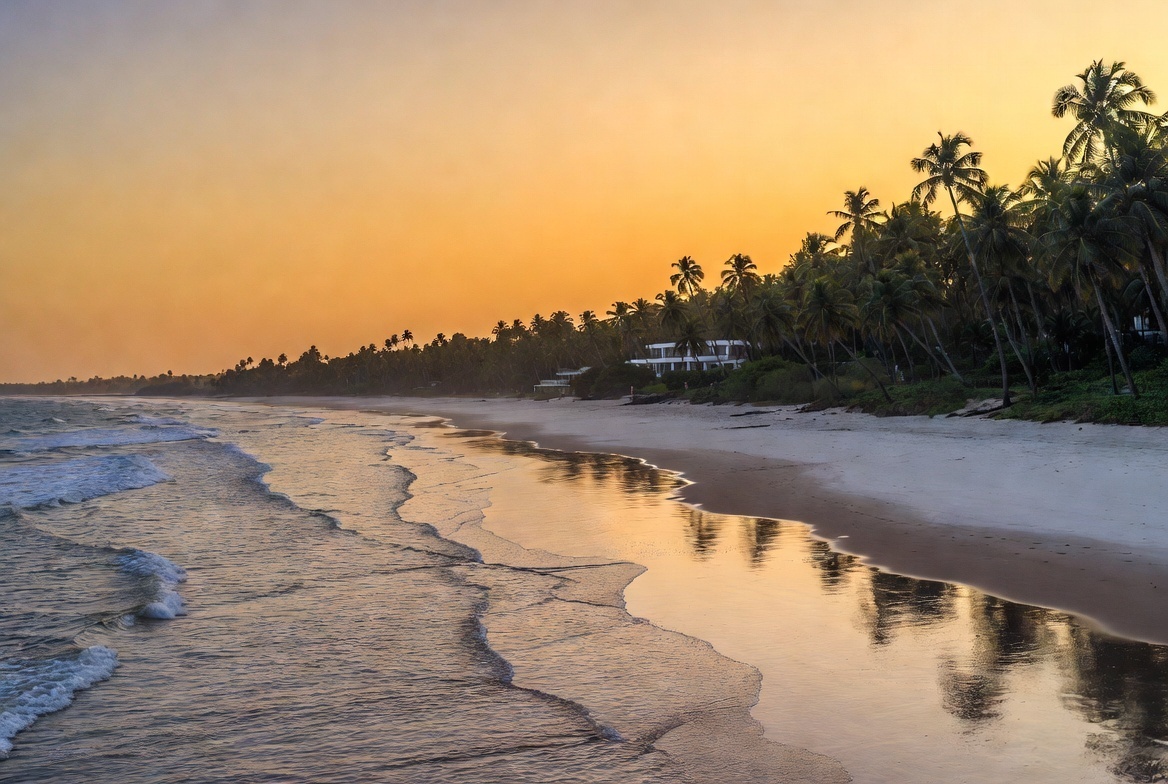
The rise of “quiet Goa”
But here’s the thing…
Not everyone visiting Goa wants noise anymore.
A surprisingly large number of travelers now actively search for quieter experiences. You see this trend especially among professionals, couples, solo travelers, and people working remotely.
They want less crowd and more atmosphere.
South Goa benefits from this, obviously, but even in the northern parts, hidden stays and calm villages are getting attention. Some travelers now prefer small Portuguese-style homes over luxury resorts.
Not fully sure why this shift feels so emotional lately, but maybe people are exhausted from fast city life.
Travel became an escape again.
And brands know it.
A tourism consultant I spoke to recently mentioned how “peace” has become one of the strongest selling points in travel marketing. Not luxury. Not adventure. Peace.
That says a lot about where people mentally are right now.
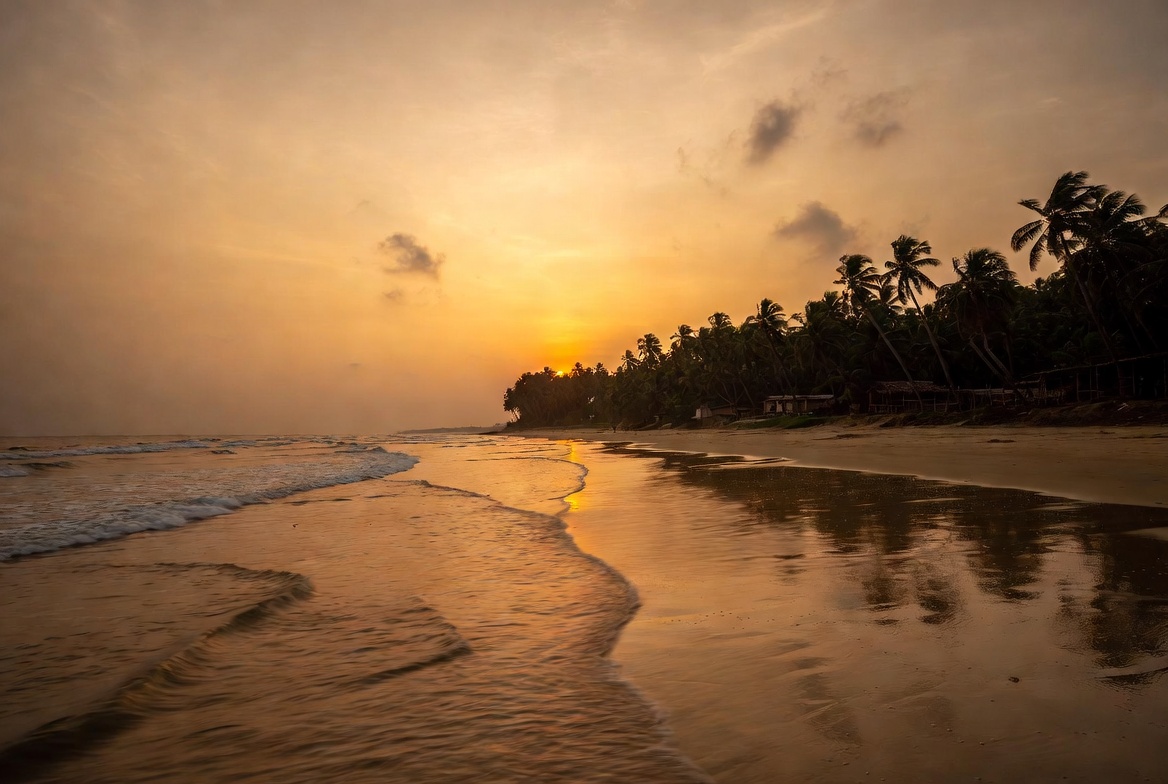
Heritage travel is suddenly cool again
One thing that honestly surprised many tourism professionals is the renewed interest in heritage locations.
For a while, beach tourism completely overshadowed Goa’s cultural side. But now, travelers actually spend time exploring churches, museums, local markets, and old streets.
Especially content creators.
The best tourist attractions in Old Goa are now appearing regularly in travel reels and documentary-style videos. And not in a boring educational way either. People are mixing history with storytelling, fashion photography, café culture, and cinematic travel edits.
It feels more alive now.
Old Goa used to be treated like a quick daytime stop between beaches. Today, travelers often dedicate full days to exploring heritage spaces properly. Some even choose heritage homestays specifically for the experience.
Anyway, this shift also changed how tourism brands position Goa internationally.
The messaging is broader now:
not just beaches,
not just nightlife,
but culture, architecture, food, spirituality, and lifestyle.
A much fuller identity.
Local businesses had to adapt fast
The changing travel experience has also affected local businesses in ways people outside the industry may not fully notice.
Restaurant owners now think visually while designing spaces. Hotel managers hire social media teams. Shack owners create branded experiences for reels and travel collaborations.
Even small cafés understand digital visibility now.
A place with decent food but strong online storytelling often performs better than a technically better place with weak presentation. Sounds unfair sometimes, but that’s how attention works today.
And travelers themselves participate in this marketing cycle for free.
One viral video can change a small location overnight.
I remember seeing a tiny hidden café become suddenly famous after a short creator video crossed a few million views. Within weeks, the café appeared in travel blogs, PR pitches, and influencer itineraries.
That speed is new.
Is tourism becoming too performative?
This is where the conversation gets a little complicated.
Because while travel has become more creative and experience-driven, it also feels more performative sometimes. People document everything now.
The coffee.
The scooter ride.
The airport looks.
The beach walk.
Even silence gets recorded.
Why does that happen?
Maybe modern travel is no longer only about memories. It is also about visibility. Sharing experiences became part of the experience itself.
And honestly, tourism boards encourage this behavior because user-generated content works incredibly well for destination marketing.
But occasionally, it creates pressure too.
Some travelers feel disappointed when places look different from edited social media videos. Others spend more time filming than actually relaxing.
Kind of ironic for a holiday destination.
The sustainability conversation is growing
There’s another shift happening quietly in the background—sustainability.
Travelers ask more questions now:
Is the property eco-friendly?
Does the café support local sourcing?
Are beaches being cleaned properly?
What happens to tourism waste?
Five years ago, these discussions were limited mostly to niche travel communities. Today, even mainstream hospitality brands mention sustainability in campaigns and media kits.
Some genuinely care. Some are probably following trends.
Still, awareness is growing, and that matters.
Goa especially faces challenges with overcrowding, waste management, and seasonal pressure. Local communities have raised concerns for years. Now the tourism industry is finally responding more seriously because travelers themselves are paying attention.
Slowly, at least.
Media changed the image of Goa
Traditional media once portrayed Goa in a very narrow way — parties, beaches, nightlife, repeat.
But digital storytelling expanded the image completely.
Now you see travel stories focused on
hidden villages,
monsoon travel,
local artists,
food heritage,
cycling routes,
nature stays
mental wellness escapes,
and solo female travel.
This broader representation changed audience expectations too.
People arrive with curiosity instead of just a party checklist.
And honestly, that feels healthier for tourism overall.
So where is Goa heading now?
Probably toward balance.
That seems to be the direction.
The future of Goa tourism may not depend on becoming bigger, louder, or more luxurious. It may depend on becoming more meaningful. More thoughtful. More personal.
Travelers today want emotion attached to destinations. They want stories they can feel connected to, not just hotel packages.
And Goa still has that emotional pull.
The beaches remain beautiful, obviously. The food culture continues evolving. The energy still exists. But now there’s more depth around the experience.
That’s the real change.
Not the coastline.
Not the weather.
Not even the tourist numbers.
The real transformation is in how people emotionally experience the place.
And maybe that’s why Goa still stays relevant after all these years.
Because somehow, despite all the content, branding, influencers, and commercial noise… it still manages to feel personal for different kinds of travelers.
That is not easy for any destination to maintain anymore.
Comments
Log in or sign up to join the conversation.