

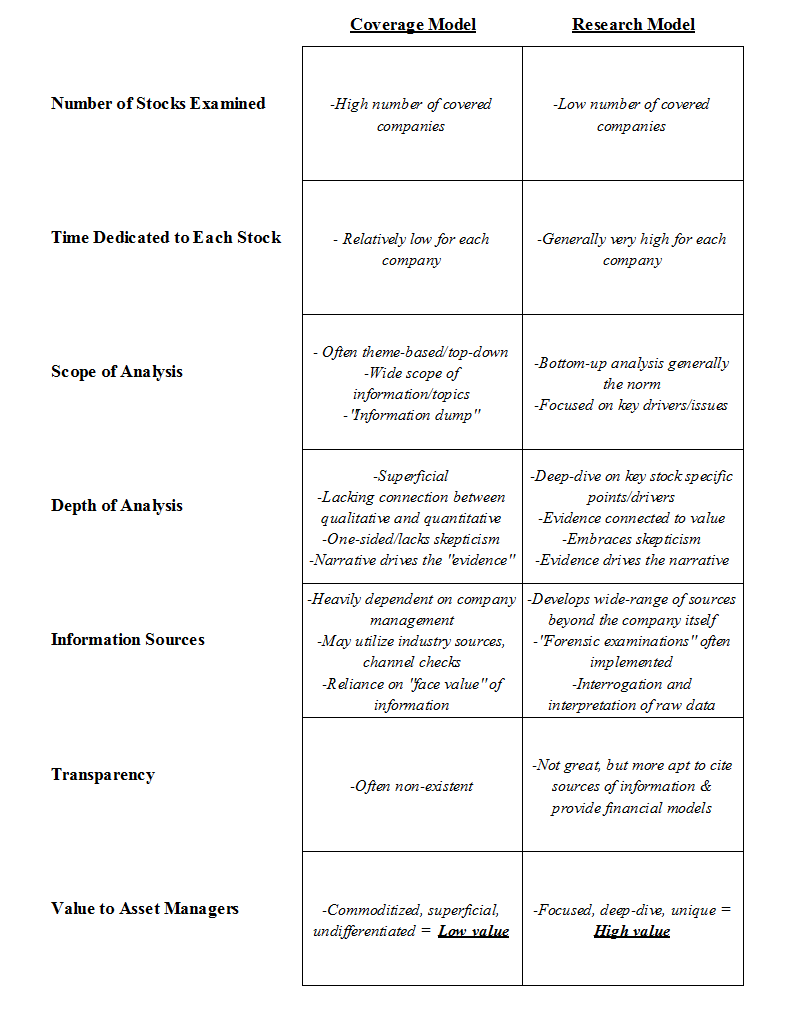
The job of the equity analyst, as it’s traditionally known, is looking increasingly fragile. Ten years ago the path to riches was clear – make a name for yourself in your sector, work your way up to be a senior analyst and then trade your franchise to the highest bidder on Wall Street. However this career path is changing rapidly. The research budgets for Investment banks are being cut, and the axe is falling disproportionately on (the more expensive) senior analysts. Fund managers are splitting research payments from execution, leading to rapid fragmentation of what was previously a cozy oligopoly with huge pricing power. Rising markets, and increased financialization have kept these oversized cost-centers going for now, but I fear what happens when we hit the next credit crunch.
So what does the future hold for a career in equity research? Well, I believe the job will still be there in 10 years time, but in a very different form. That doesn’t mean it will be any less rewarding – just that the rewards will flow disproportionately to those who see what’s coming and can adapt to a new world.
- The Importance of Diversity
The equity analysts of the past all looked the same – typically Ivy League educated with a CFA and a penchant for financial jargon. As a fund manager, you had a choice of 8-10 such analysts on any given stock, but they all approached the analysis in a very similar way. As the industry fragments, there will be much more choice for the fund manager. And the diversity of opinion should lead to better choices. There will potentially be hundreds of views to choose from – from the industry expert with close knowledge of the company’s products, to the accounting professor with a view on aggressive revenue recognition, or the thematic investor who sees a broad trend playing out. Each of these analysts will have a part to play in analyzing different aspects of a stock. And this is what makes the concept of crowdsourcing research so fascinating to me.
- Drop the Expensive Infrastructure
The analyst of the past was supported by a huge, expensive infrastructure. This involved expensive office space in Manhattan, costly IT systems and an army of support staff. In a modern working environment, these things just aren’t necessary. The value-added part of the analyst job can be done just as easily from New Mexico than from New York. Quite separate from the cost implications, many of the top investors in the world make a point of distancing themselves from the noise of financial hubs like New York (Warren Buffett in Omaha and Bruce Berkowitz in Miami)
- Embrace Transparency
Transparency has never been the strong suit of Wall Street. Brokers would rarely provide a track record of their past performance. While quick to point out their successes, the failures would be quietly forgotten about. The new breed of equity analysts will need to embrace transparency and accept that compensation will be linked to performance. This will result in more satisfied investors and better decisions, but also far higher rewards for the good analysts.
- Free-range Analysts
The weird thing about the old research model, was that analysts weren’t actively looking for alpha. They simply covered the same 10-15 stocks they were asked to cover when they first started the job. And it didn’t matter if there were lots of opportunities or none at all – their job was to cover all of those stocks year-in and year-out regardless. Isn’t it preferable to allow analysts to pursue stocks only where they see an opportunity for alpha. While some analysts might remain as sector specialists, others will have skills that encompass a much wider range of stocks. The wider the net, the more likely they can find a potential opportunity.
- Focus on what matters
An equity analyst at an investment bank spends a huge amount of time on things that are not analysis. Whether it’s marketing to clients, navigating internal politics or managing investment banking colleagues, these tasks leave less time to search for good ideas. I’ve seen senior analyst become so focused on marketing that they’re no longer doing any research – leaving their junior to construct the model and write the notes. They have a decent grasp of the big picture, but when you drill down into the detail they fall apart. To my mind, these analysts have their priorities completely mixed up. In the future analysts won’t need to deal with an overbearing bureaucracy – they can just focus on what matters: Good research and generating outperformance.
- Analyst or Investor?
The historical distinction between analysts and investors is a somewhat arbitrary division and I would expect it to become blurred in the future. The best investors have always done a lot of their own analysis anyway, and in turn the best analysts will be investing in the stocks they recommend. Analysts can, and should, be eating their own cooking. However there will always be a lucrative industry for analysts who want to leverage their research above and beyond what capital they can personally allocate to their ideas. This is the core reason why we have an equity research industry at all.
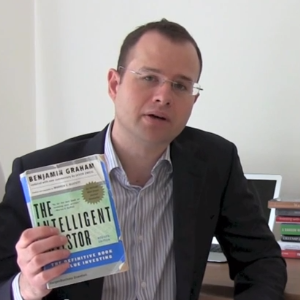
Crowdsourced platforms like Seeking Alpha and StockViews (my own Company) are at the forefront of this revolution, driving the adoption of a more “democratized” research model. While the market looks small now, the potential will grow as compensation increasingly enters the equation. As a fund manager, I have huge belief in this model – partly because the old way of doing things is so broken, but also because I see so much potential in the wisdom of crowds. I’ve met many analysts and investors who are self-taught. They’ve read “The Intelligent Investor” or “Margin of Safety” and they intuitively understood how investing should work. Equally I’ve met many “professionals” who just don’t have a clue. Of course there’s more to investing than just reading a couple of books, but much of what makes a good analyst can (and arguably should be) self-taught.
Comments
Log in or sign up to join the conversation.