
India's wedding industry has always been closely connected with food.
But the role of catering has changed.
Wedding hosts are no longer looking only for a large buffet that can feed a crowd. Increasingly, the dining experience is being treated as part of the overall event design, alongside the venue, décor, entertainment and hospitality.
This shift is particularly visible in cities such as Pune, where weddings range from traditional family ceremonies to large multi-function celebrations.
From Feeding Guests to Creating an Experience
Traditional wedding catering was largely about scale.
There needed to be enough food for everyone, the menu needed to satisfy different preferences, and the service had to keep moving.
Modern premium weddings add another layer.
Guests increasingly notice presentation, live preparation, menu variety, service quality and personalization.
That changes the economics and logistics of catering.
A caterer is no longer simply purchasing ingredients and preparing dishes. The operation may involve menu development, procurement, kitchen planning, transportation, temporary infrastructure, trained service staff, food presentation and coordination with multiple vendors.
In other words, wedding catering has become a hospitality operation.
Why Menu Size Isn't the Best Measure of Value
A common assumption is that a more expensive wedding menu should simply contain more dishes.
That isn't necessarily true.
A very large buffet can increase purchasing complexity, preparation requirements, wastage risk and service demands without proportionately improving the guest experience.
A carefully designed menu can often provide greater value by focusing on dishes that fit the audience and event.
For example, a wedding menu might combine regional specialties, familiar favorites, live food stations, beverages and desserts rather than attempting to represent every possible cuisine.
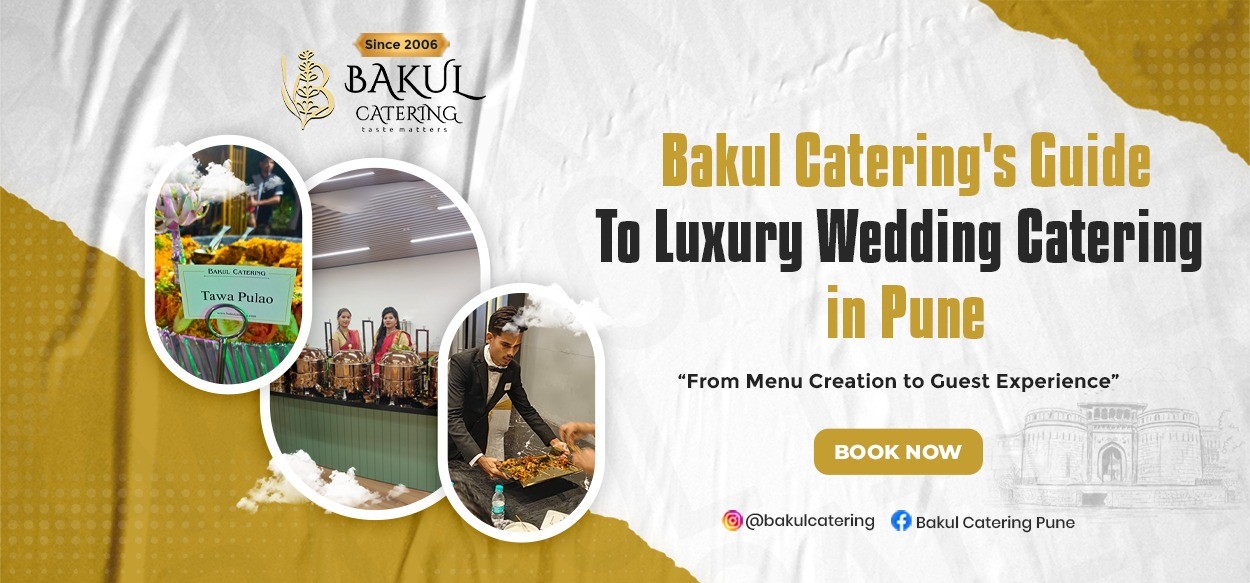
For readers interested in the practical side of premium wedding menu planning, this detailed guide to luxury wedding catering in Pune provides a useful example of how menu design, presentation and guest service can be considered together.
Multi-Function Weddings Increase Operational Complexity
A modern Indian wedding may involve several separate functions.
Haldi, Mehendi, Sangeet, the wedding ceremony and reception can all have different guest expectations and schedules.
That creates additional operational requirements.
A caterer may need to change menus, service formats, preparation schedules and staffing levels from one event to another.
The ability to plan these changes efficiently can be more important than simply having an impressive menu.
Location Changes the Catering Equation
Wedding catering also depends heavily on venue conditions.
An indoor banquet venue may provide kitchen infrastructure, storage and service areas.
An outdoor celebration can require additional arrangements for food transportation, temporary kitchens, temperature management, buffet protection and power requirements.
Pune's varied wedding venues therefore create different operational challenges.
Weather and season can influence the menu as well.
Refreshing beverages and lighter preparations may work better during warmer periods, while winter events may create greater demand for hot food and warm beverages.
Personalization Has Become Part of Premium Hospitality
Another important shift is personalization.
Couples may want family recipes, regional specialties or dishes associated with their personal preferences.
Dietary requirements also need to be considered during planning.
This makes menu development less of a standardized package and more of a consultation process.
The caterer has to understand the event before determining what should be served.
Service Is an Economic Variable Too
Food quality receives most of the attention, but staffing can significantly influence the final experience.
Insufficient staff can result in long queues, delayed replenishment and poor table management.
Excessive staffing, on the other hand, can increase costs without necessarily producing a better experience.
Good planning therefore requires matching staffing levels to guest numbers, venue layout, service format and event schedule.
This is one reason professional wedding catering involves considerably more planning than simply preparing food in large quantities.
What This Means for Couples Planning Weddings
For wedding hosts, the practical lesson is straightforward.
Don't compare catering proposals only by the number of dishes or the headline price.
Look at the entire service model.
Ask how the caterer handles:
Menu customization
Different wedding functions
Guest dietary requirements
Live counters
Staffing
Buffet replenishment
Venue coordination
Food transportation
Seasonal conditions
Hygiene and food handling
A cheaper proposal isn't necessarily cheaper once service problems, wastage or additional requirements appear later.
Likewise, the most expensive proposal isn't automatically the best.
The useful comparison is value delivered per guest and the reliability of the overall operation.
The Future of Wedding Catering
The direction of the wedding industry suggests that catering will continue moving toward greater personalization and experience-led service.
Guests increasingly expect food to be part of the celebration rather than a separate utility.
That creates opportunities for catering businesses that can combine culinary capability with hospitality, logistics and event coordination.
For couples, it means choosing a catering partner requires looking beyond the menu.
The real question is whether the catering operation can deliver the experience promised on paper.
For a practical example of how these elements can come together in a Pune wedding setting, Bakul Catering's luxury wedding catering guide explores the relationship between menu creation, presentation, service and guest experience.
Comments
Log in or sign up to join the conversation.