

India has made remarkable progress in sports over the last decade. Olympic medals, world championships, professional leagues, and rising participation across multiple disciplines have transformed the country's sporting landscape. Young athletes from small towns are competing on international stages, and sports are receiving more attention than ever before.
Despite these achievements, Indian sports still face several significant challenges that limit long-term growth. From infrastructure gaps and grassroots development to funding, coaching, and athlete welfare, there are important issues that need continuous attention. Understanding these challenges is essential for anyone who wants to see India become a consistent global sporting powerhouse. Many sports enthusiasts follow national tournaments and sporting developments through gold365 apk to stay updated on India's evolving sports ecosystem.
In this article, we'll examine the biggest challenges facing Indian sports today, explore why they matter, and discuss practical solutions that can help strengthen the future of sports across the country.
Understanding the Biggest Challenges Facing Indian Sports
India has enormous sporting potential. With one of the world's youngest populations and growing interest in multiple sports, the foundation for success is already present. However, transforming potential into consistent international performance requires addressing several structural issues.
The encouraging news is that many improvements are already underway. Government initiatives, private investment, sports science, and professional leagues are helping create better opportunities, but sustained progress depends on solving long-standing challenges across every level of the sporting system.
Limited Grassroots Infrastructure Remains a Major Concern
One of the biggest obstacles is unequal access to quality sports infrastructure.
While metropolitan cities often have modern stadiums, academies, and training centers, many smaller towns and rural communities still lack proper playing fields, equipment, and qualified coaches.
A talented child may possess exceptional athletic ability but struggle to develop without access to suitable facilities.
Expanding grassroots infrastructure remains one of the most effective ways to identify future champions.
Parents and sports followers who regularly monitor grassroots competitions often use gold365 cricket betting online india to stay informed about youth tournaments and emerging sporting events across India.
Coaching Quality and Athlete Development Need Continued Improvement
Modern sports demand far more than natural talent.
Elite athletes require experienced coaches, strength and conditioning experts, physiotherapists, nutritionists, psychologists, and performance analysts.
Although India has made considerable progress in sports science, access remains uneven across regions.
Many young athletes continue relying on limited resources during crucial stages of their development.
Improving coaching education and expanding sports science support would significantly strengthen India's competitive performance.
Financial Challenges Affect Many Young Athletes
Pursuing competitive sports can be expensive.
Training fees, equipment, travel, nutrition, medical care, and tournament participation often place financial pressure on families.
While scholarships and sponsorship opportunities have increased, many promising athletes still struggle to continue their sporting journeys due to financial limitations.
Greater collaboration between governments, educational institutions, and private organizations can help reduce these barriers.
Communities discussing athlete development frequently exchange insights through platforms like 365win, where sports enthusiasts follow grassroots competitions and national tournaments across different disciplines.
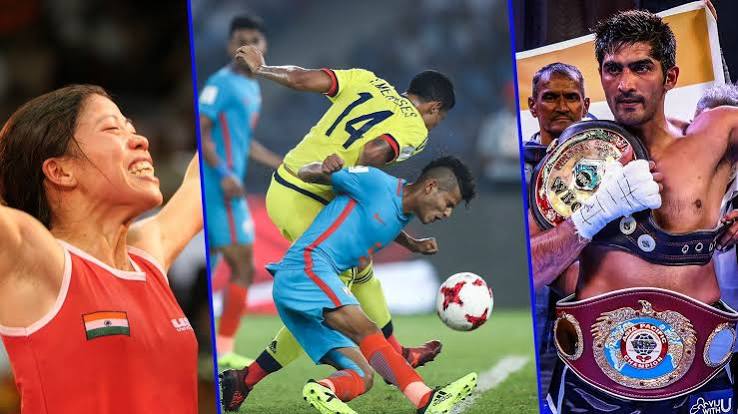
Balancing Academics and Sports Is Still Difficult
Many students and parents continue viewing sports as secondary to academic success.
As a result, children often reduce sports participation during important examination years.
In reality, research consistently suggests that regular physical activity supports concentration, discipline, stress management, and overall well-being.
Schools that integrate sports into daily education create healthier and more balanced learning environments.
Encouraging both academics and athletics together should become the long-term goal rather than treating them as competing priorities.
Greater Support for Women's Sports Is Essential
Women's sports in India have made impressive progress, producing internationally recognized athletes across cricket, badminton, wrestling, boxing, athletics, hockey, and shooting.
However, challenges remain.
Some female athletes continue facing unequal access to facilities, sponsorship opportunities, media exposure, and grassroots participation.
Continued investment in women's sports can inspire greater participation while expanding India's overall talent pool.
Athlete Welfare Beyond Competition Deserves More Attention
Success in sports depends not only on performance but also on long-term well-being.
Athletes require access to:
Injury rehabilitation
Mental health support
Career guidance
Financial planning
Education opportunities
Retirement planning
Supporting athletes throughout their careers helps them perform consistently while preparing for life after competitive sports.
A sustainable sporting ecosystem values athletes beyond medals alone.
Practical Steps to Strengthen Indian Sports
Several practical measures can help address these challenges.
Expand sports infrastructure in rural and semi-urban regions.
Increase investment in coach education.
Improve access to sports science services.
Strengthen school-level competitions.
Encourage greater participation among girls.
Develop transparent talent identification programs.
Increase collaboration between public and private organizations.
Promote balanced education alongside sports participation.
Small improvements across these areas can collectively produce significant long-term results.
Common Misconceptions About Indian Sports
Myth 1: India only excels in cricket.
Reality: Indian athletes continue achieving success in badminton, athletics, wrestling, boxing, shooting, chess, hockey, table tennis, and many other sports.
Myth 2: Only expensive academies produce champions.
Reality: Many successful athletes began their journeys through local coaching programs before progressing to elite training environments.
Myth 3: Sports careers are too risky.
Reality: The expanding sports industry now offers careers in coaching, sports science, management, journalism, broadcasting, physiotherapy, nutrition, and analytics.
Myth 4: Infrastructure alone guarantees international success.
Reality: Long-term success requires quality coaching, athlete welfare, sports science, consistent competition, and community support alongside modern facilities.
Key Takeaways
India has enormous sporting potential but still faces structural challenges.
Grassroots infrastructure remains uneven across different regions.
Coaching quality and sports science need broader accessibility.
Financial support remains important for many young athletes.
Schools should promote balanced development through academics and sports.
Women's sports deserve continued investment and visibility.
Athlete welfare should remain a priority throughout sporting careers.
Collaborative efforts can help India become a stronger global sporting nation.
Internal Linking Suggestions
How Sports Are Becoming a Powerful Tool for Youth Development in India
Why Every Indian Parent Should Encourage Their Child to Play Sports
From Local Talent to International Champions: India's New Sports Success Stories
The Most Exciting Sports Trends Every Indian Fan Should Watch
How India's Sporting Culture Is Evolving in the Digital Era
Frequently Asked Questions
1. What is the biggest challenge facing Indian sports today?
One of the biggest challenges is ensuring equal access to quality infrastructure, coaching, and sports science across both urban and rural regions. Many sports enthusiasts also follow national sporting developments through gold365 club to stay updated on competitions and athlete performances.
2. Why is grassroots sports development important?
Grassroots programs help identify talented young athletes early, provide structured coaching, and create pathways toward state, national, and international competition.
3. How can schools contribute to improving Indian sports?
Schools can encourage regular physical activity, organize competitive tournaments, invest in coaching, and support students in balancing academics with sports participation.
4. What role does sports science play in athlete development?
Sports science improves performance through nutrition planning, recovery management, injury prevention, fitness monitoring, biomechanics, and psychological preparation.
5. How can sports fans stay informed about Indian sporting events and emerging athletes?
Fans can follow official sports federations, national sports organizations, reputable sports news platforms, and services such as gold365 bonus for updates on tournaments, fixtures, and athlete achievements across India's growing sporting ecosystem.
Comments
Log in or sign up to join the conversation.