

Tampa Workplace Yoga and Its Role in Supporting Employee Wellness
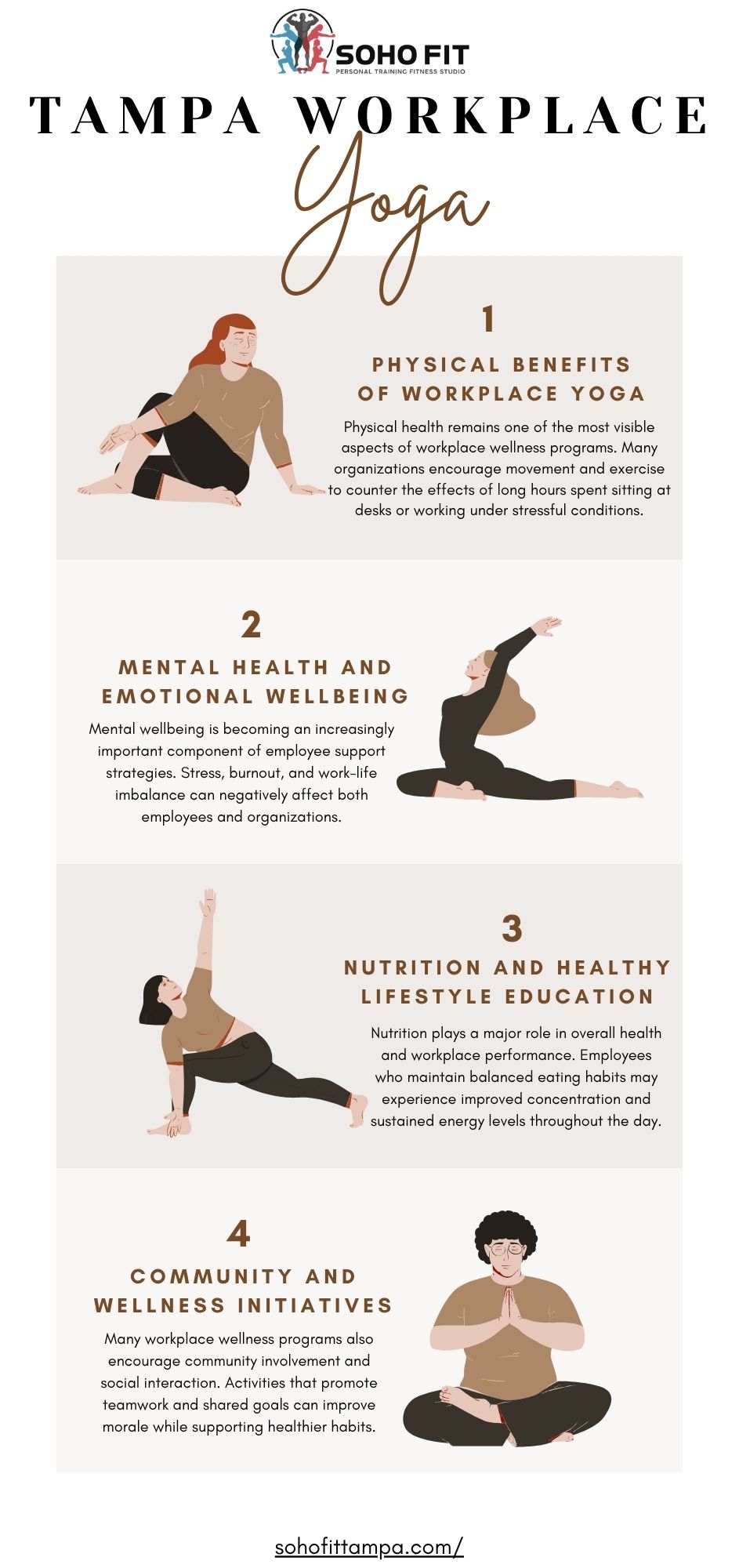
Modern workplaces are evolving to recognize that employee well-being influences productivity, collaboration, and long-term job satisfaction. Tampa workplace yoga has become one of the practical wellness approaches organizations are exploring to help employees manage physical discomfort, reduce stress, and encourage healthier daily routines. Whether performed in an office, conference room, or virtual setting, yoga can fit into a variety of workplace environments.
Understanding Workplace Yoga
Workplace yoga refers to guided movement, stretching, breathing exercises, and mindfulness practices designed specifically for employees during or around the workday. Unlike traditional yoga classes that may involve advanced poses, workplace sessions are generally beginner-friendly and adapted to accommodate different fitness levels.
Sessions can range from 10 to 45 minutes and often focus on improving posture, reducing muscle tension, and promoting mental clarity. Many routines can even be performed while sitting in a chair, making them accessible to employees with varying mobility levels.
Organizations have increasingly recognized that small wellness initiatives can contribute to a healthier work environment without significantly disrupting daily operations.
Why Office Workers Experience Physical Discomfort
Many employees spend prolonged hours sitting at desks, using computers, attending meetings, or commuting. These habits can gradually contribute to physical strain and reduced mobility.
Common concerns include:
Neck stiffness
Shoulder tension
Lower back discomfort
Tight hips
Wrist fatigue
Eye strain from prolonged screen use
Reduced flexibility
Poor posture
Without regular movement, these issues may gradually affect comfort, concentration, and workplace performance.
How Workplace Yoga Helps Employees
A thoughtfully designed yoga routine provides gentle movement throughout the workday. Rather than replacing exercise outside the office, it complements an active lifestyle.
Potential benefits include:
Improved flexibility
Better posture awareness
Reduced muscular tension
Increased circulation
Greater body awareness
Enhanced breathing patterns
Improved balance
Better movement quality
Employees often appreciate that yoga does not require previous experience or high levels of fitness.
Supporting Mental Well-Being
Work demands, deadlines, meetings, and constant digital communication can contribute to mental fatigue. Mindfulness practices incorporated into yoga encourage employees to slow down, regulate breathing, and briefly disconnect from workplace pressures.
While yoga is not a substitute for professional mental health care, regular sessions may support:
Relaxation
Improved focus
Emotional regulation
Stress management
Greater resilience during busy periods
Even a short breathing exercise during the workday may help employees return to tasks with improved concentration.
Creating a Positive Workplace Culture
Wellness initiatives often bring employees together outside of their regular responsibilities. Participating in group yoga sessions creates opportunities for interaction among coworkers who may not regularly collaborate.
Benefits for workplace culture may include:
Increased social connection
Better communication
Shared wellness goals
Stronger team engagement
Greater appreciation for employee well-being
Organizations that prioritize wellness frequently encourage healthy habits without making participation mandatory, allowing employees to choose activities that fit their interests.
Integrating Healthy Habits Beyond Movement

Physical activity is only one aspect of workplace wellness. Healthy eating, hydration, sleep, and stress management all contribute to overall well-being. Many organizations combine movement programs with educational initiatives to support healthier lifestyles.
For example, Tampa nutrition counselling can complement workplace wellness by helping employees better understand balanced eating habits, meal planning, hydration strategies, and sustainable nutrition practices. When movement and nutrition education are addressed together, employees may find it easier to build healthier daily routines both inside and outside the workplace.
Simple Yoga Movements for Office Settings
Many effective yoga exercises require minimal space and no specialized equipment.
Examples include:
Neck Stretch
Slow side-to-side neck stretches may help relieve tension caused by extended computer use.
Shoulder Rolls
Gentle shoulder circles can improve mobility and reduce stiffness.
Seated Spinal Twist
This movement encourages gentle spinal mobility while remaining seated.
Wrist Mobility Exercises
Simple wrist stretches may help employees who spend long hours typing.
Standing Forward Fold
A modified forward bend can gently stretch the hamstrings and lower back.
Chest Opener
Opening the chest helps counteract rounded shoulders commonly associated with desk work.
Controlled Breathing
Deep diaphragmatic breathing promotes relaxation while improving oxygen flow.
These exercises are typically easy to learn and can be incorporated into short wellness breaks throughout the day.
Encouraging Participation
Introducing workplace wellness initiatives is often more successful when participation remains voluntary and inclusive.
Organizations may consider:
Offering beginner-friendly sessions
Scheduling classes during lunch breaks
Providing virtual participation options
Keeping sessions short
Encouraging comfortable clothing
Creating a supportive environment
Employees are generally more likely to participate when activities are accessible and free from performance expectations.
Adapting Yoga for Different Work Environments
Every workplace has unique operational needs. Yoga sessions can often be adapted for various industries and office layouts.
Examples include:
Corporate offices
Healthcare facilities
Educational institutions
Government offices
Small businesses
Remote teams
Hybrid workplaces
Nonprofit organizations
Virtual sessions have become increasingly common, allowing employees working from home to participate alongside colleagues in the office.
Safety Considerations
Although workplace yoga is generally gentle, safety remains important.
Participants should:
Move within their comfort level.
Avoid painful positions.
Inform instructors about injuries or medical conditions.
Use stable chairs if performing seated exercises.
Wear comfortable clothing whenever possible.
Stay hydrated before and after sessions.
Organizations may also benefit from working with qualified instructors who understand workplace ergonomics and can modify movements appropriately.
Measuring Wellness Program Success
Companies often evaluate wellness initiatives using both employee feedback and measurable workplace indicators.
Possible evaluation methods include:
Employee satisfaction surveys
Participation rates
Wellness engagement
Feedback sessions
Program consistency
Workplace morale assessments
Success should not be measured solely by attendance but also by whether employees find the program enjoyable, accessible, and supportive of their overall well-being.
The Future of Workplace Wellness
As workplace expectations continue to evolve, employee wellness is likely to remain an important organizational priority. Flexible schedules, remote work, ergonomic improvements, mindfulness programs, and movement-based initiatives are becoming increasingly integrated into modern work environments.
Yoga represents one practical option among many wellness strategies that organizations can consider. Its adaptability makes it suitable for diverse workplaces and employees with varying fitness backgrounds.
Rather than focusing on intense exercise, workplace yoga emphasizes sustainable movement, relaxation, and body awareness. These qualities make it particularly well suited to office environments where prolonged sitting and repetitive tasks are common.
Workplace wellness extends beyond physical fitness alone. Programs that encourage movement, stress management, healthy habits, and employee engagement can contribute to a more supportive work environment. By incorporating simple stretching, mindful breathing, and accessible yoga practices, organizations can provide employees with opportunities to move more throughout the day while promoting overall well-being.
Soho Fit Tampa
Comments
Log in or sign up to join the conversation.