

Industry Key Highlights
The global energy sector is undergoing a transformative shift as governments, industries, and consumers seek cleaner, more sustainable alternatives to conventional fossil fuels. Among the emerging solutions supporting this transition, Synthetic Natural Gas (SNG) has gained significant momentum as a versatile and environmentally responsible energy source. Produced through processes such as thermal gasification, anaerobic digestion, and power-to-gas technologies, SNG offers a viable pathway toward reducing greenhouse gas emissions while leveraging existing natural gas infrastructure.
According to TechSci Research report, “Synthetic Natural Gas Market Price– Global Industry Size, Share, Trends, Competition Forecast & Opportunities, 2021-2031F”, The Global Synthetic Natural Gas Market is projected to grow from USD 22.79 Billion in 2025 to USD 85.03 Billion by 2031 at a 24.54% CAGR.
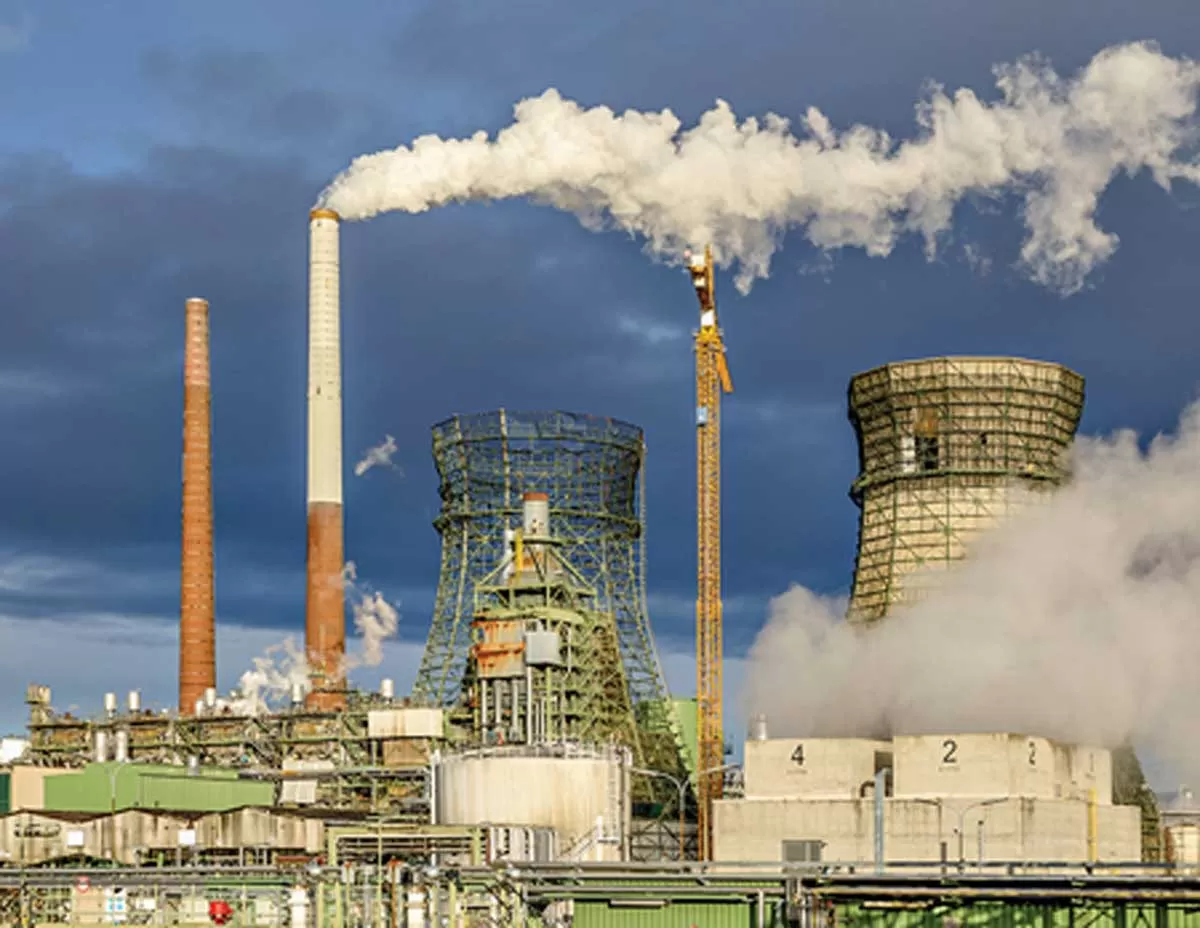
Synthetic Natural Gas is chemically similar to conventional natural gas, making it compatible with existing pipeline networks, storage facilities, industrial equipment, and residential heating systems. This compatibility significantly reduces the costs associated with transitioning to cleaner energy sources while enabling countries to achieve ambitious climate targets.
As nations continue to invest in renewable energy generation, waste-to-energy projects, and energy security programs, SNG is emerging as a critical bridge fuel capable of linking renewable electricity production with gas distribution systems. The technology not only supports energy storage but also enables efficient utilization of biomass, municipal waste, agricultural residues, and surplus renewable electricity.
The growing role of SNG in industrial decarbonization, transportation, power generation, and grid balancing is expected to transform the global energy landscape over the next decade.
Request For Sample Copy of Report For More Detailed Market insight: https://www.techsciresearch.com/sample-report.aspx?cid=29573#requestform
Key Market Drivers
Growing Global Decarbonization Efforts
One of the strongest drivers supporting the expansion of the SNG market is the global commitment toward decarbonization. Governments worldwide are implementing stricter emission regulations and climate policies aimed at reducing greenhouse gas emissions.
Industries such as power generation, manufacturing, transportation, and heating are under increasing pressure to adopt cleaner fuel alternatives. Synthetic natural gas provides a practical solution by offering lower emissions while maintaining compatibility with existing energy infrastructure.
As countries pursue net-zero targets and carbon neutrality goals, demand for SNG is expected to accelerate significantly.
Rising Renewable Energy Deployment
The rapid growth of renewable energy installations is creating substantial opportunities for SNG production.
Solar and wind energy systems often generate excess electricity during periods of low demand. Without effective storage solutions, this surplus energy is frequently curtailed or wasted.
Power-to-gas technologies address this challenge by converting excess renewable electricity into hydrogen and subsequently into synthetic methane. This enables long-term energy storage and supports greater utilization of renewable energy resources.
The increasing adoption of renewable power generation globally is therefore serving as a major catalyst for SNG market growth.
Increasing Energy Security Concerns
Energy security has become a top priority for many countries due to geopolitical uncertainties, supply chain disruptions, and fluctuating fossil fuel prices.
Synthetic natural gas enables nations to utilize locally available resources such as biomass, agricultural residues, municipal waste, and renewable electricity to produce domestic energy supplies.
By reducing dependence on imported natural gas and liquefied natural gas (LNG), countries can strengthen energy resilience while improving economic stability.
This growing emphasis on energy independence is expected to support long-term market expansion.
Expansion of Waste-to-Energy Initiatives
The global focus on waste management and resource recovery is driving investments in waste-to-energy technologies.
Municipal solid waste, agricultural residues, industrial waste, and organic materials can be converted into synthetic natural gas through various technological processes.
This approach simultaneously addresses two critical challenges:
Waste disposal management
Sustainable energy production
Governments and municipalities increasingly view waste-to-gas projects as valuable tools for achieving circular economy objectives while reducing landfill dependency.
Growing Industrial Demand for Cleaner Fuels
Industrial sectors require reliable, high-energy-density fuels for manufacturing processes, heating operations, and power generation.
Many industries are transitioning away from coal and other carbon-intensive fuels in response to environmental regulations and sustainability commitments.
Synthetic natural gas offers a cleaner-burning alternative capable of supporting industrial decarbonization without significant equipment modifications.
This growing industrial demand is expected to contribute substantially to market growth throughout the forecast period.
Emerging Trends in the Synthetic Natural Gas Market
Integration of Power-to-Gas Technologies
One of the most transformative trends shaping the SNG market is the increasing adoption of power-to-gas (P2G) systems.
Power-to-gas technology converts surplus renewable electricity into hydrogen through electrolysis. The hydrogen is then combined with carbon dioxide through methanation processes to produce synthetic methane.
This trend is particularly significant because it creates a direct link between renewable electricity generation and gas infrastructure.
As renewable energy penetration increases globally, power-to-gas solutions are expected to become a cornerstone of integrated energy systems.
Growing Grid Injection Infrastructure
Utilities and energy providers are investing heavily in infrastructure that enables synthetic natural gas injection into existing gas grids.
Pipeline operators are upgrading networks to accommodate higher concentrations of renewable gas while maintaining safety and performance standards.
New metering systems, monitoring technologies, and gas quality management platforms are being deployed to facilitate efficient integration.
The expansion of grid injection infrastructure is expected to accelerate market adoption and improve commercial viability.
Digitalization and Smart Gas Networks
The emergence of digital technologies is transforming gas infrastructure management.
Advanced sensors, real-time monitoring systems, predictive maintenance tools, and artificial intelligence platforms are helping operators optimize gas distribution networks.
Digitalization enhances system reliability, improves operational efficiency, and ensures regulatory compliance while supporting the integration of renewable gases such as SNG.
Carbon Capture and Utilization Integration
Carbon capture technologies are increasingly being integrated into synthetic natural gas production processes.
Captured carbon dioxide from industrial facilities can be combined with renewable hydrogen to produce synthetic methane, creating a circular carbon economy.
This approach not only reduces industrial emissions but also enhances the sustainability profile of SNG production.
As carbon capture technologies mature, their integration with SNG facilities is expected to become increasingly common.
Development of Hybrid Energy Systems
Hybrid energy systems combining renewable power generation, battery storage, hydrogen production, and synthetic methane generation are gaining attention worldwide.
These integrated systems maximize resource utilization, improve grid stability, and create flexible energy solutions capable of responding to fluctuating demand patterns.
Synthetic natural gas is expected to play a vital role within these next-generation energy ecosystems.
Market Challenges
High Capital Investment Requirements
The development of SNG production facilities often requires substantial upfront investment.
Gasification plants, methanation facilities, carbon capture systems, and power-to-gas infrastructure involve significant capital expenditures.
Securing financing for large-scale projects remains a challenge in certain markets.
Technology Complexity
Synthetic natural gas production involves sophisticated technological processes requiring specialized expertise and operational management.
Ensuring efficient feedstock conversion, gas purification, and methane synthesis can present technical challenges, particularly for emerging market participants.
Feedstock Availability Variability
The availability and quality of feedstocks such as biomass, agricultural waste, and municipal waste can vary significantly by region and season.
Supply chain disruptions and feedstock inconsistencies may affect production efficiency and project economics.
Regulatory Uncertainty
Although governments generally support renewable energy development, regulatory frameworks governing synthetic natural gas production, grid injection, and carbon accounting continue to evolve.
Policy uncertainty can impact investment decisions and project timelines.
Regional Analysis
Asia-Pacific
Asia-Pacific is projected to be the fastest-growing regional market during the forecast period.
Several factors contribute to this rapid growth:
Expanding industrialization
Increasing energy demand
Abundant biomass resources
Growing waste generation
Government support for clean energy
Energy security initiatives
China and India continue to lead regional investments in coal-to-gas and biomass gasification projects, while countries such as South Korea and Japan are advancing power-to-gas technologies.
North America
North America remains a significant market due to strong renewable energy investments, supportive policies, and advanced technological capabilities.
The region's focus on decarbonization and energy innovation continues to drive adoption.
Europe
Europe is at the forefront of renewable gas development, supported by ambitious climate targets and substantial investments in hydrogen and power-to-gas infrastructure.
The region is expected to remain a global leader in SNG innovation.
Latin America
Growing renewable energy capacity and abundant biomass resources are creating attractive opportunities for SNG deployment across Latin America.
Middle East & Africa
Emerging energy diversification strategies and sustainability initiatives are expected to support market growth throughout the region.
Competitive Analysis
The global Synthetic Natural Gas market is characterized by increasing competition, technological innovation, and strategic partnerships among major industry participants.
Leading companies are focusing on:
Expanding production capabilities
Enhancing gasification technologies
Developing advanced methanation solutions
Integrating carbon capture systems
Investing in power-to-gas projects
Strengthening renewable energy partnerships
Major Market Participants
Air Liquide S.A.
Linde plc
Air Products and Chemicals, Inc.
Sasol Limited
Shell plc
Siemens Energy AG
thyssenkrupp Uhde GmbH
Topsoe A/S
Johnson Matthey Plc
Synthesis Energy Systems, Inc.
These companies are leveraging research and development investments, strategic collaborations, and technological advancements to strengthen their market positions and capture emerging growth opportunities.
Future Outlook
The future of the Global Synthetic Natural Gas Market appears exceptionally promising as nations accelerate efforts to transition toward cleaner and more sustainable energy systems.
Several factors are expected to drive future growth:
Expansion of renewable energy generation
Increased adoption of power-to-gas technologies
Rising investments in carbon capture and utilization
Growing demand for energy storage solutions
Expansion of renewable gas infrastructure
Greater industrial decarbonization efforts
Supportive government policies and incentives
Increasing emphasis on circular economy principles
Synthetic natural gas is poised to become a key component of integrated energy systems, enabling the convergence of electricity, gas, waste management, and carbon utilization sectors.
As technological innovation continues to improve efficiency and reduce production costs, SNG is expected to play an increasingly important role in achieving global climate objectives while ensuring long-term energy security.
10 Benefits of the Research Report
1. Comprehensive Market Assessment
Provides detailed insights into market dynamics, structure, and growth opportunities.
2. Accurate Growth Forecasts
Delivers reliable projections and future market estimates.
3. Competitive Landscape Analysis
Offers extensive evaluation of major market participants and strategies.
4. Technology Trend Evaluation
Highlights emerging technologies shaping industry evolution.
5. Regional Market Intelligence
Analyzes opportunities across key geographic markets.
6. Segment-Level Insights
Provides detailed analysis across technologies, feedstocks, and applications.
7. Strategic Decision Support
Helps organizations formulate informed business strategies.
8. Investment Opportunity Identification
Highlights high-growth segments and emerging opportunities.
9. Risk and Challenge Assessment
Evaluates potential market barriers and operational challenges.
10. Future Industry Outlook
Offers forward-looking insights for long-term planning and growth initiatives.
Conclusion
The Global Synthetic Natural Gas Market is rapidly emerging as a cornerstone of the modern energy transition. Driven by decarbonization goals, renewable energy expansion, energy security concerns, and technological innovation, the market is experiencing remarkable growth and transformation. The ability of SNG to utilize diverse feedstocks, integrate with existing infrastructure, and support large-scale renewable energy storage positions it as a highly attractive solution for governments, industries, and energy providers worldwide.
With significant advancements in power-to-gas systems, thermal gasification technologies, carbon capture integration, and smart gas infrastructure, the SNG industry is poised for substantial expansion through 2031. As nations continue to pursue sustainable energy strategies and carbon reduction commitments, Synthetic Natural Gas will play an increasingly vital role in shaping a cleaner, more resilient, and energy-secure future.
Comments
Log in or sign up to join the conversation.