

For decades, the concept of "luxury" was synonymous with excess. It was defined by how much earth was moved to find a single diamond or how many miles a piece of gold traveled through an opaque supply chain before reaching a velvet-lined display case. However, as we move through 2026, the definition of luxury has undergone a radical, much-needed transformation. Today, true luxury is no longer about how much a piece costs, but about how much it cares.
In the world of Gold Ring Jewellery Design, we are seeing a magnificent fusion of high-end aesthetics and deep environmental responsibility. The modern consumer—informed, tech-savvy, and ethically driven—is demanding that their most intimate symbols of love and commitment reflect their personal values. This shift is being led by the sustainable jewelry manufacturer, a new breed of industry leader that prioritizes the health of the planet alongside the perfection of the craft.
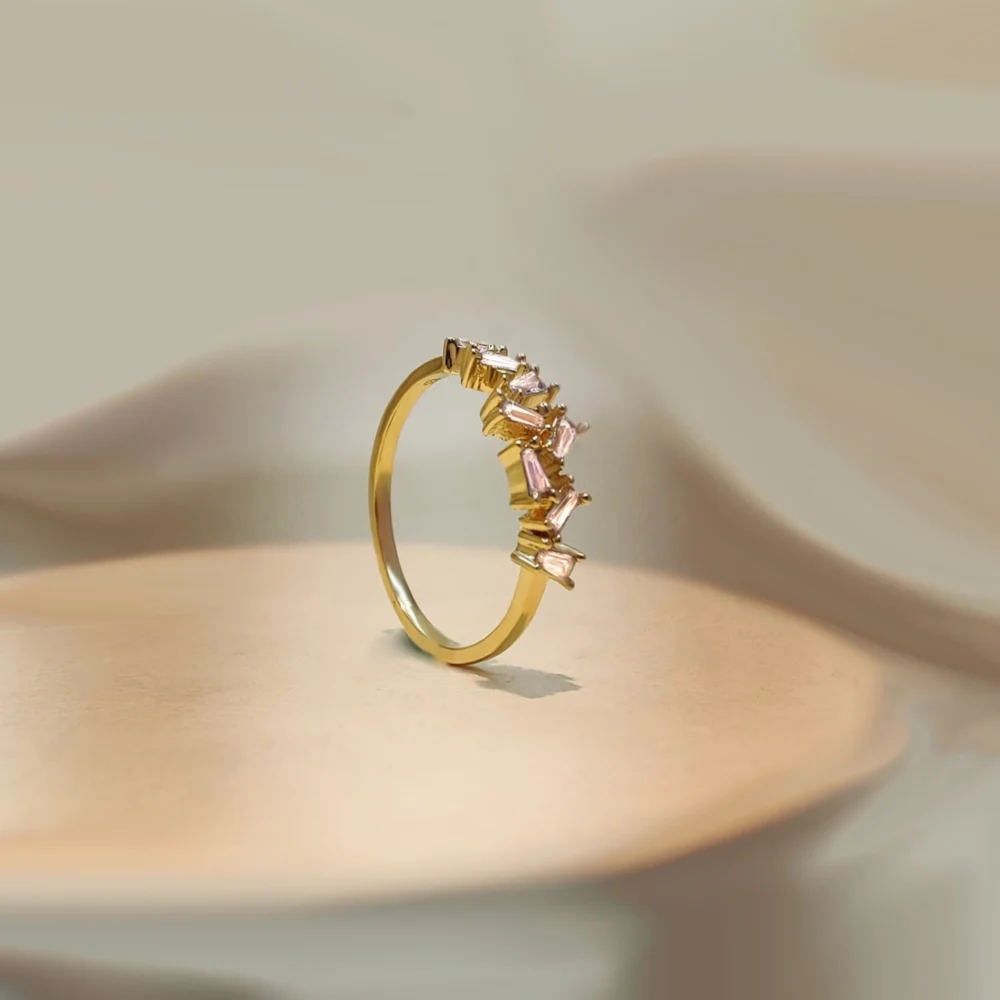
The New Gold Standard: Circularity Over Extraction
The most significant trend shaping 2026 is the industry-wide pivot toward a circular economy. Historically, gold mining has been one of the most environmentally taxing industrial activities. In response, any reputable ethical jewelry manufacturer today is looking toward "urban mining" as their primary source of raw material.
Recycled gold is the undisputed hero of 2026. By refining gold from existing jewelry, industrial scraps, and discarded electronics, manufacturers can produce 18k and 24k gold that is chemically identical to newly mined ore but with a carbon footprint that is up to 99% lower.
This shift toward recycled materials has directly influenced Gold Ring Jewellery Design. We are seeing a resurgence of "heavy" designs—thick, bold bands and signet rings—that celebrate the substantial feel of solid gold without the "guilt" of new extraction. Because the metal is reclaimed, designers feel empowered to create more architectural, voluminous pieces that make a statement about sustainability as much as style.
The Rise of "Sterling Silver Custom Jewelry" as a Conscious Choice
While gold remains the ultimate symbol of status, Sterling Silver Custom Jewelry has carved out a massive niche in the sustainable luxury market. In 2026, silver is no longer viewed as a "second-best" option. Instead, it is seen as a versatile, highly recyclable medium for personal expression.
Younger buyers, particularly Gen Z and Millennials, are gravitating toward custom silver rings as a way to engage with high-end design at a more accessible price point—both financially and environmentally. Silver's lower melting point and high malleability make it the perfect candidate for 3D-printed designs and intricate, one-of-a-kind commissions.
The trend today is "Gold-Vermeil Customization." Consumers are ordering bespoke sterling silver rings that are then plated in a thick layer of recycled gold. This allows for a "heavy gold look" that is built on a foundation of circularity. It’s a pragmatic and stylish approach to luxury that fits the mobile, conscious lifestyle of the mid-2020s.
Transparent Technology: Blockchain in the Workshop
How do you know that "sustainable" isn't just a marketing buzzword? In 2026, the answer lies in technology. The leading sustainable jewelry manufacturer of today is likely utilizing blockchain to provide an unalterable "digital passport" for every ring produced.
When a customer commissions a piece of Gold Ring Jewellery Design, they are increasingly receiving a QR code with their purchase. This code allows them to trace the journey of their ring back to its source. They can see:
The date the gold was refined.
The certification of the workshop's fair-labor practices.
The specific artisan who hand-finished the piece.
This level of radical transparency is the new "grading report." It provides a sense of security and connection that a traditional paper certificate simply cannot match. It turns a piece of jewelry into a verifiable story of integrity.
Aesthetic Trends: Bio-Mimicry and Organic Forms
The "eco-conscious" movement isn't just about the materials; it's also about the visual language of the rings themselves. In 2026, we are moving away from the cold, industrial precision of the early 2000s and returning to nature.
1. The "Molten" Aesthetic
Rings that look like liquid gold caught in a moment of transformation are incredibly popular. These organic, fluid shapes signify a departure from mass production. They look "touched by hand," celebrating the raw beauty of the metal.
2. Raw and Rough-Cut Stones
For rings that feature gemstones, the trend has shifted toward "salt and pepper" diamonds, raw crystals, and opaque sapphires. These stones, once considered "imperfect," are now celebrated for their uniqueness. They require less intensive processing and celebrate the natural state of the earth’s treasures.
3. Low-Impact Settings
Bezel and flush settings are dominating Gold Ring Jewellery Design. These settings wrap the metal around the stone, offering a sleek, modern look that is also incredibly durable. By protecting the stone from chips and snags, these designs ensure the ring lasts for a lifetime—reducing the need for replacement and further resource consumption.
The Human Element: Ethical Manufacturing as a Social Good
Sustainability is often discussed in terms of carbon and chemicals, but for an ethical jewelry manufacturer, the "human" aspect is just as vital. In 2026, social sustainability—ensuring that everyone in the supply chain is treated with dignity—is a primary driver of market demand.
We are seeing a move toward "Direct-to-Artisan" models. Brands are partnering with small-scale workshops and honoring traditional craftsmanship techniques that were almost lost to automation. This ensures that the premium paid for luxury jewelry actually supports the livelihoods of skilled craftspeople and their communities.
When you purchase Sterling Silver Custom Jewelry from a brand that prioritizes ethical labor, you are investing in a system that values human skill over machine speed. This "slow jewelry" movement is the perfect antidote to the "fast fashion" crisis that plagued the early 21st century.
The Future: Zero-Waste 2030
As we look toward the end of the decade, the goals of the jewelry industry are becoming even more ambitious. Many manufacturers are aiming for "Zero-Waste" status by 2030. This involves:
Closed-loop water systems in the plating and cleaning phases.
100% renewable energy to power the high-heat casting furnaces.
Biodegradable packaging made from mushroom-based materials or recycled ocean plastics.
The jewelry we wear in 2026 is a reflection of this transition. It is smarter, cleaner, and more thoughtful. It proves that we can cherish our traditions—like the exchange of a gold ring—without compromising our future.
Conclusion: A Legacy of Integrity
The gold ring of 2026 is a masterpiece of modern engineering and ancient values. It represents a world where we no longer have to choose between beauty and ethics. By supporting a sustainable jewelry manufacturer and choosing Gold Ring Jewellery Design that prioritizes recycled materials and transparent labor, we are redefining what it means to be successful.
Whether it’s a bespoke piece of Sterling Silver Custom Jewelry or a substantial recycled gold band, the pieces we choose to wear tell the world who we are. In this new era of sustainable luxury, the most beautiful thing about your jewelry is the fact that it has nothing to hide.
Comments
Log in or sign up to join the conversation.