

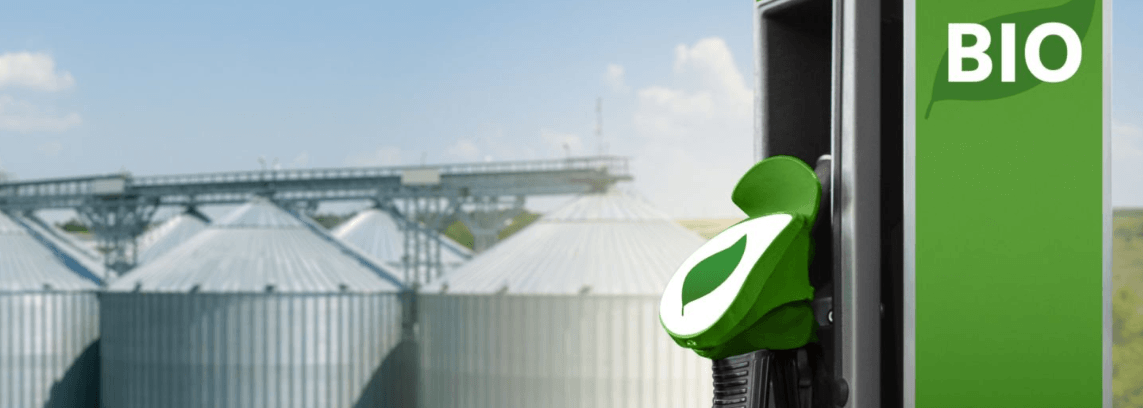
India's biofuel sector is expanding rapidly as the country focuses on cleaner energy and reduced dependence on imported fossil fuels. Among the renewable fuels gaining significant attention, Bio Ethanol Fuel in India has become a key contributor to sustainable transportation and industrial growth. As ethanol demand continues to rise, one question is becoming increasingly important: Which feedstock is best for producing bioethanol—Sugarcane, Maize, or Rice?
Each feedstock has its own advantages, production process, availability, and cost implications. The right choice depends on factors such as regional availability, production capacity, seasonal supply, government policies, and plant technology.
In this article, we compare sugarcane, maize, and rice for ethanol production and help investors, industries, and plant developers understand which feedstock offers the best opportunity for Bio Ethanol Fuel in India.
Understanding Feedstock in Bio Ethanol Production
Feedstock is the raw material used to produce ethanol. It directly affects production efficiency, operating costs, ethanol yield, and overall profitability.
The three major feedstocks used in India are:
Sugarcane (Juice and Molasses)
Maize (Corn)
Rice (Broken Rice and Surplus Rice)
Modern Bio Ethanol Plant Manufacturers also design plants capable of processing multiple feedstocks, allowing producers to switch raw materials based on seasonal availability and market prices.
Sugarcane-Based Ethanol Production
Sugarcane has traditionally been the backbone of ethanol production in India. Ethanol is produced from sugarcane juice, B-heavy molasses, C-heavy molasses, and sugar syrup.
Advantages of Sugarcane
Established supply chain
Well-developed sugar industry
High ethanol recovery from sugarcane juice
Strong infrastructure in major sugar-producing states
Reliable technology with proven performance
Challenges
Seasonal availability
Dependence on rainfall
Fluctuating sugar production
Competition between sugar and ethanol production
Sugarcane continues to play an important role in Bio Ethanol Fuel in India, particularly in states such as Uttar Pradesh, Maharashtra, and Karnataka.
Maize-Based Ethanol Production
Maize has become one of the fastest-growing feedstocks for ethanol manufacturing. Many new distilleries are designed specifically for grain-based ethanol production because maize offers consistent quality and year-round availability.
Advantages of Maize
Higher starch content
Stable ethanol yield
Easy storage compared to sugarcane
Suitable for continuous plant operations
Less dependence on seasonal crushing
Challenges
Price fluctuations due to demand from the food and poultry industries
Storage infrastructure requirements
Transportation costs in some regions
With increasing investments in grain-based distilleries, maize is becoming a preferred feedstock for expanding Bio Ethanol Fuel in India.
Rice-Based Ethanol Production
Rice, particularly broken rice and surplus rice, is another important feedstock for ethanol production. It allows the use of grains that are not suitable for direct consumption while supporting renewable fuel production.
Advantages of Rice
Utilizes broken and surplus rice
Good ethanol recovery
Supports efficient use of agricultural resources
Widely available in several states
Challenges
Availability depends on government policies
Competition with food security priorities
Feedstock prices may vary during procurement seasons
Rice-based ethanol production is helping diversify the raw material base for Bio Ethanol Fuel in India.
Comparison of Sugarcane, Maize, and Rice
Factor | Sugarcane | Maize | Rice |
|---|---|---|---|
Availability | Seasonal | Nearly year-round | Seasonal |
Storage | Limited | Easy | Easy |
Ethanol Yield | High | High | Good |
Supply Stability | Medium | High | Medium |
Processing Efficiency | High | High | Good |
Suitable for Continuous Production | Moderate | Excellent | Good |
Investment Opportunity | Strong | Very Strong | Strong |
Each feedstock has its own strengths. The best choice depends on the plant location, local availability, logistics, and long-term business strategy.
Which Feedstock Offers the Highest Profitability?
Profitability depends on more than ethanol yield alone.
Important factors include:
Raw material cost
Transportation expenses
Plant efficiency
Feedstock availability
Energy consumption
Government support
Market demand
For many new projects, maize-based ethanol plants are gaining popularity because they provide stable production throughout the year. However, sugarcane remains highly profitable in regions with established sugar industries, while rice offers an effective option where surplus grains are available.
Why Multi-Feedstock Plants Are the Future
Instead of depending on a single raw material, many investors now prefer multi-feedstock ethanol plants.
These plants can process:
Sugarcane Juice
Molasses
Maize
Broken Rice
Wheat
Agricultural Residues
Benefits include:
Better plant utilization
Lower business risk
Flexibility during feedstock shortages
Improved profitability
Stable ethanol production throughout the year
Many Bio Ethanol Plant Manufacturers now provide customized multi-feedstock designs to improve operational efficiency.
Role of Bio Ethanol Plant Manufacturers
Choosing the right technology partner is essential for successful ethanol production.
A trusted Bio Ethanol Plant Manufacturer offers:
Plant engineering
Process design
Feedstock analysis
Equipment manufacturing
Automation systems
Installation
Commissioning
Performance optimization
Technical support
Experienced Ethanol Plant EPC Companies also provide turnkey solutions that reduce project execution time and improve plant performance.
Factors to Consider Before Selecting a Feedstock
Before investing in an ethanol plant, businesses should evaluate:
Local Availability
The raw material should be easily available near the project site.
Transportation Costs
Lower logistics costs improve overall profitability.
Plant Design
The plant should match the selected feedstock or support multiple feedstocks.
Long-Term Supply
Reliable raw material availability ensures uninterrupted production.
Expansion Plans
Choose technology that allows future capacity expansion and feedstock flexibility.
Future of Bio Ethanol Fuel in India
The future of Bio Ethanol Fuel in India is expected to be driven by diversified feedstocks rather than reliance on a single source.
Key industry trends include:
Expansion of grain-based ethanol plants
Greater use of agricultural residues
Multi-feedstock processing facilities
Energy-efficient production technologies
Digital automation in ethanol plants
Growth of integrated bio-refineries
Higher investment in renewable fuel infrastructure
As technology continues to improve, producers will be able to maximize ethanol output while reducing production costs.
Conclusion
There is no single answer to whether sugarcane, maize, or rice is the best feedstock for ethanol production. Each offers unique advantages depending on regional availability, infrastructure, and business goals.
Sugarcane remains the foundation of India's ethanol industry, maize is emerging as a preferred option for year-round production, and rice provides an efficient way to utilize surplus grains. For long-term flexibility and profitability, multi-feedstock plants are becoming the preferred choice.
As demand for Bio Ethanol Fuel in India continues to grow, investing in advanced technology and partnering with an experienced Bio Ethanol Plant Manufacturer, Ethanol Plant EPC Company, and Biofuel Plant Manufacturer can help businesses build efficient, future-ready ethanol production facilities.
FAQs
1. Which feedstock is best for Bio Ethanol Fuel in India?
It depends on location, availability, plant design, and production goals. Sugarcane, maize, and rice all have strong potential.
2. Why is maize becoming popular for ethanol production?
Maize offers year-round availability, high starch content, and consistent ethanol production.
3. Can rice be used for ethanol manufacturing?
Yes. Broken rice and surplus rice are commonly used for fuel ethanol production.
4. Is sugarcane still important for ethanol production?
Yes. Sugarcane remains one of the primary feedstocks for ethanol production in India.
5. What is a multi-feedstock ethanol plant?
It is a plant designed to process different raw materials such as molasses, maize, rice, and agricultural residues.
Comments
Log in or sign up to join the conversation.