

Introduction
According to TechSci Research report, “Subsea Well Access System Market – Global Industry Size, Share, Trends, Competition Forecast & Opportunities, 2031F”, The Global Subsea Well Access System Market is projected to grow from USD 3.95 Billion in 2025 to USD 5.52 Billion by 2031 at a 5.74% CAGR.
Subsea well access systems are essential components of offshore drilling and production infrastructure. They allow operators to access subsea wells for intervention and maintenance activities without relying entirely on conventional surface-based operations. This capability is particularly valuable in deepwater and ultra-deepwater environments, where surface intervention can be technically challenging, time-consuming, and expensive.
The increasing importance of offshore reserves, the maturation of existing fields, rising investments in subsea infrastructure, and advancements in automation are collectively shaping market growth. As operators seek to extend the productive life of offshore assets while controlling operational costs, reliable and efficient subsea well access solutions are becoming increasingly important.
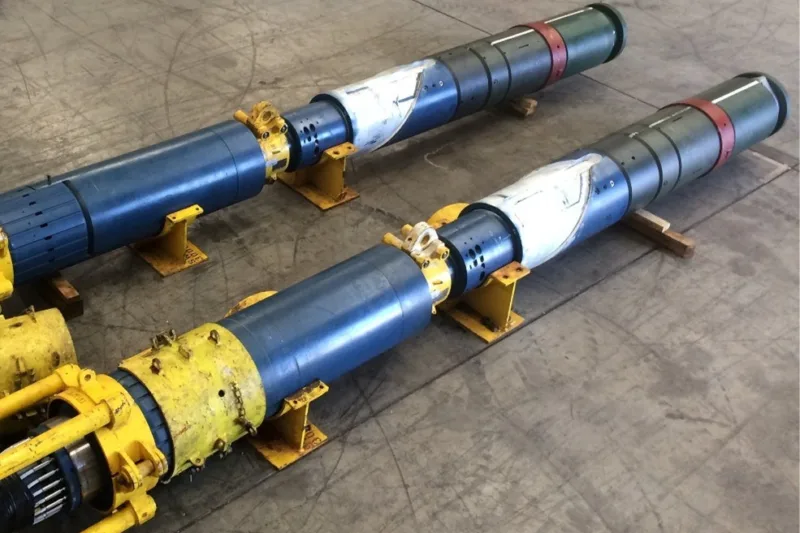
Industry Key Highlights
The global Subsea Well Access System Market is expected to increase from USD 3.95 billion in 2025 to USD 5.52 billion by 2031.
The market is projected to expand at a 5.74% CAGR during the forecast period.
The Shallow Water segment held the largest market share in 2024, supported by mature offshore assets and cost-effective intervention requirements.
Asia Pacific is the fastest-growing regional market, driven by offshore exploration and production activities in Australia, China, India, and Malaysia.
Increasing deepwater and ultra-deepwater exploration is creating demand for reliable well intervention and access technologies.
Automation, remote monitoring, real-time analytics, and digital twin technology are improving subsea operational efficiency.
Stringent health, safety, and environmental regulations are encouraging the adoption of advanced well access systems.
The market is segmented by technology, product, location, and region.
Request For Sample Copy of Report For More Detailed Market insight
Main Drivers
Increasing Offshore Exploration and Production
The growing demand for energy is encouraging oil and gas companies to explore offshore reserves, particularly as several mature onshore fields experience declining production. Offshore projects in deepwater and ultra-deepwater locations are becoming increasingly important to meet long-term energy requirements.
Subsea well access systems support these projects by enabling operators to conduct well intervention, inspection, maintenance, and monitoring activities in challenging marine environments. Their ability to reduce dependence on surface retrieval and conventional rig-based operations can improve project flexibility and reduce downtime.
As offshore exploration expands across the Gulf of Mexico, the North Sea, West Africa, South America, and Asia Pacific, the requirement for dependable subsea access equipment is expected to increase.
Rising Need to Extend the Life of Mature Offshore Fields
Many offshore fields are reaching mature stages, resulting in declining reservoir pressure, reduced production rates, and increasing maintenance requirements. Operators are therefore investing in well stimulation, repair, remediation, and intervention activities to improve output and extend the operating life of existing assets.
Subsea well access systems provide a practical means of reaching subsea wells and conducting essential maintenance without requiring extensive infrastructure modifications. By improving access to aging wells, these systems help operators maximize asset utilization and delay costly abandonment or replacement activities.
Growing Focus on Operational Safety and Well Integrity
Subsea operations involve high pressures, extreme temperatures, corrosive seawater, and complex equipment configurations. These conditions create significant risks if well intervention activities are not properly managed. Consequently, operators are prioritizing systems that support well integrity, pressure control, and safe intervention procedures.
Regulatory authorities are also strengthening health, safety, and environmental requirements for offshore oil and gas activities. Advanced subsea well access systems help reduce the risk of blowouts, leaks, spills, and other hazardous incidents, making them an important part of modern offshore safety strategies.
Technological Advancements and Digitalization
The integration of automation, remote operation, real-time data analytics, and digital twin technology is transforming subsea well access operations. These technologies allow operators to monitor equipment performance, identify potential failures, predict maintenance requirements, and improve decision-making.
Digital tools can also reduce non-productive time by providing operators with more accurate information about subsea conditions and equipment status. As the oil and gas industry moves toward connected and data-driven operations, technology-enabled subsea access systems are likely to gain wider acceptance.
Offshore Cost Optimization
Offshore drilling and intervention projects require substantial capital investment and involve complex logistics. Operators are therefore searching for technologies that can reduce intervention duration, minimize equipment mobilization, and improve overall project economics.
Subsea well access systems that support rig-less or reduced-rig intervention can help lower operating expenses and shorten maintenance cycles. Their ability to improve productivity while reducing surface disruption is increasing their relevance in cost-sensitive offshore projects.
Emerging Trends
Expansion of Deepwater and Ultra-Deepwater Operations
The development of deepwater and ultra-deepwater reserves is one of the most important trends shaping the subsea well access industry. These environments require specialized equipment capable of operating under extreme pressure and temperature conditions.
As technology improves and offshore operators gain greater confidence in complex subsea projects, demand is increasing for robust well access systems designed for difficult operating environments.
Adoption of Automation and Remote Monitoring
Automation is helping reduce the need for manual intervention in hazardous offshore locations. Remote-operated systems, advanced control interfaces, and real-time monitoring tools allow operators to manage well access activities more efficiently and safely.
Remote monitoring also supports predictive maintenance by identifying equipment abnormalities before they lead to operational failure. This can improve reliability, reduce downtime, and support better asset management.
Integration of Digital Twins and Real-Time Analytics
Digital twin technology is emerging as a valuable tool for simulating subsea equipment performance and monitoring operational conditions. By combining real-time data with digital models, operators can assess equipment health, evaluate intervention scenarios, and improve maintenance planning.
The use of real-time analytics is expected to increase as offshore companies seek greater visibility into subsea operations and aim to reduce unplanned interruptions.
Development of Modular and Flexible Equipment
Modular subsea well access systems are gaining attention because they can be adapted to different well configurations and operational requirements. Flexible equipment designs simplify deployment, improve compatibility, and help operators manage a wider range of intervention activities.
This trend is particularly relevant in shallow water operations, where operators often seek cost-effective solutions for mature and geographically diverse offshore assets.
Stronger Emphasis on Environmental Protection
Environmental responsibility is becoming an important consideration in offshore oil and gas operations. Subsea well access systems that support controlled intervention and reduce the likelihood of leaks or spills can help operators meet environmental standards.
The technology also contributes to lower surface disruption and improved operational control, aligning with the industry's broader efforts to reduce environmental risks and improve sustainability.
Real-World Use Cases
Offshore Oil and Gas Production
Subsea well access systems are widely used to support offshore production activities. They enable operators to access subsea wells for inspection, maintenance, pressure management, and production optimization. These capabilities are particularly important in fields where direct surface intervention is impractical.
Mature Field Redevelopment
In mature shallow water and deepwater fields, subsea well access systems support redevelopment programs designed to improve declining production. Operators can use these systems for well repair, stimulation, remediation, and equipment replacement, helping extend field life and improve recovery rates.
Deepwater Well Intervention
Deepwater and ultra-deepwater projects require specialized access solutions capable of operating under challenging marine conditions. Subsea well access systems support intervention activities while reducing dependence on costly surface-based infrastructure.
Well Integrity and Preventive Maintenance
Operators use subsea access technologies to inspect well components, identify integrity issues, and perform preventive maintenance. These activities help reduce the risk of equipment failure, uncontrolled releases, and costly production interruptions.
Decommissioning and Asset Management
Subsea well access systems can also support decommissioning, abandonment, and late-life asset management. They provide controlled access to aging wells and help operators perform required activities while meeting safety and environmental obligations.
Emerging Offshore Developments
New offshore projects in Asia Pacific, South America, Southeast Asia, and other resource-rich regions are creating additional applications for subsea well access systems. As governments and energy companies expand offshore infrastructure, demand for adaptable and reliable access solutions is expected to grow.
Competitive Analysis
TechnipFMC Plc
Baker Hughes Company
Aker Solutions ASA
Schlumberger Limited
NOV Inc.
Forum Energy Technologies, Inc.
Saipem S.p.A.
Subsea 7 S.A.
Expro Group Holdings N.V.
Weatherford International Plc
Customers can also request 10% free customization in this report.
Segmentation
By Technology
The market is segmented into:
Rig-Based
Rig-Less
Rig-based systems are associated with intervention activities that require drilling or intervention rigs. Rig-less systems, in contrast, are designed to reduce dependence on traditional rigs and can offer advantages in terms of cost, flexibility, and deployment time.
By Product
The market is divided into:
Annular BOP
Ram BOP
Annular blowout preventers provide pressure control around different tubular sizes, while ram blowout preventers use sealing elements to control well pressure and isolate the wellbore. Both product types play important roles in supporting safe subsea well intervention.
By Location
The market is segmented into:
Shallow Water
Deepwater
Ultra-Deepwater
The Shallow Water segment held the largest market share in 2024. Shallow water fields, generally located at depths of up to approximately 200 meters, account for a substantial share of offshore infrastructure in regions such as the Gulf of Mexico, Southeast Asia, and West Africa.
Demand in this segment is supported by aging infrastructure, redevelopment activities, well maintenance, and the need to improve production from mature fields. Shallow water projects also tend to involve lower capital requirements than deepwater developments, attracting independent operators and national oil companies.
The availability of modular equipment, lower operational complexity, and increasing use of remote monitoring are further supporting adoption. Decommissioning and redevelopment activities are also creating demand for systems capable of accessing and managing aging subsea wells safely.
By Region
The regional markets include:
North America
Europe
Asia Pacific
South America
Middle East & Africa
Asia Pacific is the fastest-growing region in the global Subsea Well Access System Market. Countries such as Australia, China, India, and Malaysia are expanding offshore exploration and production activities to meet growing energy requirements.
The region benefits from significant shallow water and deepwater reserves, increasing investments in offshore infrastructure, supportive government initiatives, and growing adoption of automated and remotely operated technologies. The development of new offshore projects and modernization of existing assets is expected to create additional opportunities for subsea well access system providers.
Frequently Asked Questions
1. What is the projected size of the global Subsea Well Access System Market by 2031?
The global Subsea Well Access System Market is projected to reach USD 5.52 billion by 2031, increasing from USD 3.95 billion in 2025.
2. What is the expected CAGR of the Subsea Well Access System Market?
The market is expected to grow at a CAGR of 5.74% during the forecast period.
3. Which location segment held the largest market share in 2024?
The Shallow Water segment held the largest market share in 2024, supported by mature offshore infrastructure, redevelopment activities, and the need for cost-efficient well intervention.
4. Which region is expected to grow the fastest?
Asia Pacific is projected to be the fastest-growing region, driven by expanding offshore exploration and production activities in Australia, China, India, Malaysia, and other regional markets.
Comments
Log in or sign up to join the conversation.