

In 2023, CBC News covered a story about Canadian homeowners struggling with indoor air quality and hidden allergens in soft furnishings like carpets and sofas. One Toronto resident shared how her child’s allergies kept getting worse, even after regular cleaning. It wasn’t until a professional deep cleaning was done that the symptoms improved.
What surprised her most? She had been cleaning her sofa regularly.
But like many people, she was only cleaning the surface. This is where most homeowners go wrong.
Why DIY Sofa Cleaning Feels Right but Goes Wrong
Let’s be honest. When you spill something on your sofa, your first instinct is to fix it quickly.
Grab a cleaner. Scrub it. Dry it.
It feels productive. It feels like you solved the problem.
But upholstery is not built like hard surfaces. It is layered. Fabric on top, padding inside, and sometimes wooden or metal frames beneath.
When you clean it the wrong way, you don’t remove the problem. You push it deeper.
According to the IICRC (Institute of Inspection Cleaning and Restoration Certification), improper cleaning methods are one of the top reasons furniture gets damaged or develops recurring stains.
The “Looks Clean” Trap
One of the biggest mistakes people make is trusting what they see.
If the stain fades, we assume it is gone.
But here is what actually happens inside the sofa:
Moisture carries dirt deeper into the fabric
Soap leaves sticky residue
Dust and bacteria cling to that residue
Over time, the stain returns
This is called resoiling.
Professionals see this every day. That is why people often say, “The stain came back after a few days.” It never really left.
Real Example From Toronto Cleaning Industry
A technician from a Toronto cleaning company shared a real case in a customer review.
A homeowner tried to clean a white fabric couch using a supermarket foam cleaner. It worked at first. But after drying, yellow patches appeared. Why?
The foam cleaner left residue. When exposed to air and light, it oxidized and caused discoloration.
When professionals were called, they had to do a full deep extraction and neutralization process to fix it.
What could have been a simple stain removal became a costly job.
The Science Behind Deep Cleaning
Let’s break it down simply. Professional cleaning is not just about tools. It is about the process.
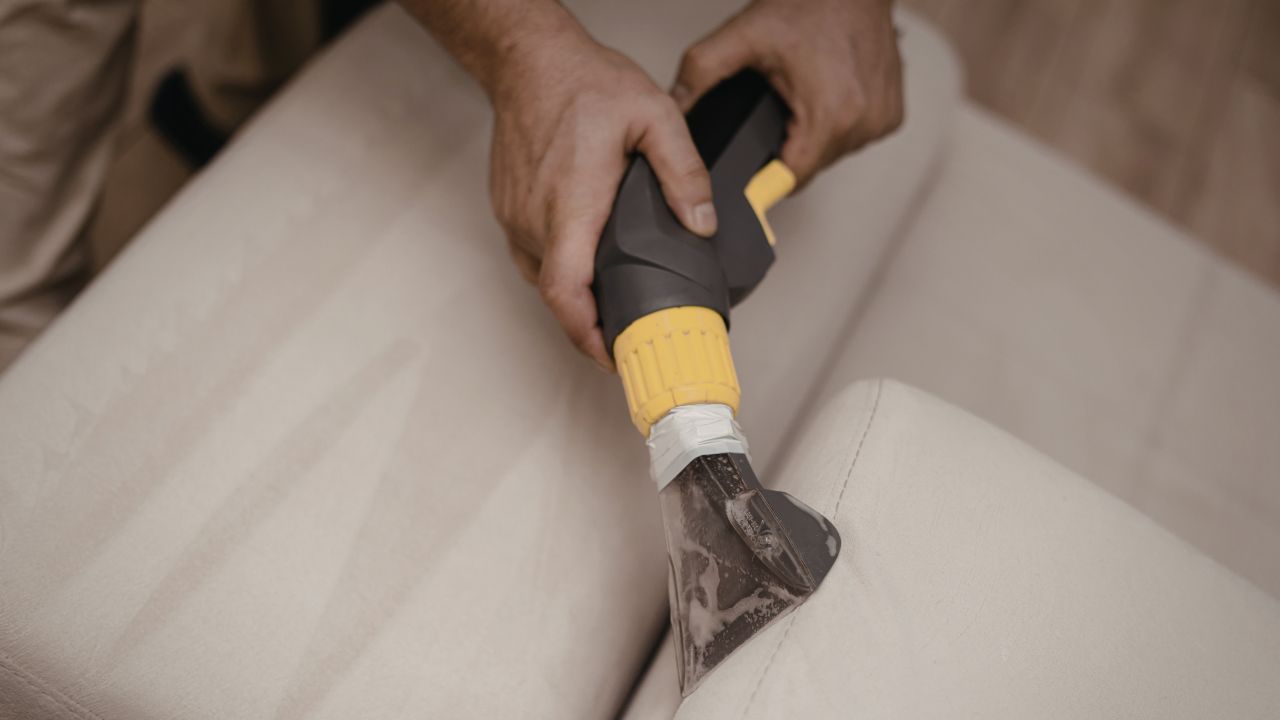
Most experts use hot water extraction, also known as steam cleaning.
Here is what happens:
Hot water is injected into the fabric
Dirt and oils are loosened
Powerful suction removes water along with contaminants
According to the Carpet and Rug Institute, this method is one of the most effective ways to remove deep-seated dirt and allergens.
DIY methods usually skip the most important part. Extraction.
Without extraction, dirt stays inside.
Health Risks You Don’t See
Your sofa is used every day. Think about what collects over time:
Skin cells
Pet hair
Sweat
Food crumbs
Dust mites
A study published by The American Academy of Allergy, Asthma & Immunology (AAAAI) shows that dust mites thrive in soft furnishings and can trigger allergies and asthma.
Vacuuming helps, but it does not remove everything.
DIY cleaning often adds moisture, which can make the problem worse by creating a better environment for bacteria and mold.
Professional cleaning removes both dirt and moisture.
Why Odors Keep Coming Back
Have you ever cleaned a sofa and the smell disappeared… then returned after a few days? This is very common. Odors are usually trapped deep inside the padding.
DIY cleaning only treats the surface.
For example, pet urine can soak through multiple layers. If not fully extracted, the smell comes back stronger, especially in humid conditions.
This is something many Toronto homeowners deal with, especially during summer months.
Professional services use specialized treatments to break down odor-causing bacteria, not just mask it.
The Real Cost of DIY Cleaning
At first, DIY looks cheaper. But let’s break it down.
Cleaning Products
You buy sprays, foams, and brushes.
Over time, these add up.
Machine Rentals
Renting a machine seems affordable. But these machines often lack strong suction power.
They leave moisture behind.
Time and Effort
Cleaning a sofa properly takes time.
And if it does not work, you repeat the process.
Damage Risk
The biggest cost is damage. Fabric can shrink, fade, or weaken.
According to furniture care guidelines from major manufacturers, using the wrong cleaning method can void warranties.
That is a risk many people don’t think about.
What a Professional Sofa Washing Service Does Right
A trained technician does not just start cleaning. They follow a structured process.
Step 1: Fabric Testing
Different fabrics react differently.
Some need low moisture. Others need specific solutions.
Step 2: Pre-Treatment
Special solutions break down oils and dirt before deep cleaning.
Step 3: Deep Extraction
This is the key step in this process. It removes all dirt, allergens and bacteria.
Step 4: Controlled Drying
Proper drying prevents mold and odor. This is why results last longer.
If you are in Toronto, choosing a trusted sofa washing service can make a noticeable difference in both cleanliness and comfort.
Industry Insight: Why Experience Matters
Tools are important. But experience matters more.
A trained technician knows:
How much water to use
Which chemicals are safe
How to treat different stains
This knowledge comes from real work, not guesswork.
Professionals often rely on years of hands-on experience combined with hours of research to stay updated with new cleaning methods and fabric types.
That is something DIY methods cannot replace.
When You Should Stop DIY and Call Experts
Here are clear signs you should not handle it yourself:
The stain has been there for weeks
The odor keeps coming back
The fabric looks discolored
You spilled something oily or acidic
There is pet urine or water damage
In these cases, DIY cleaning often makes things worse.
Simple Maintenance Tips That Actually Work
You do not need to avoid cleaning your sofa completely.
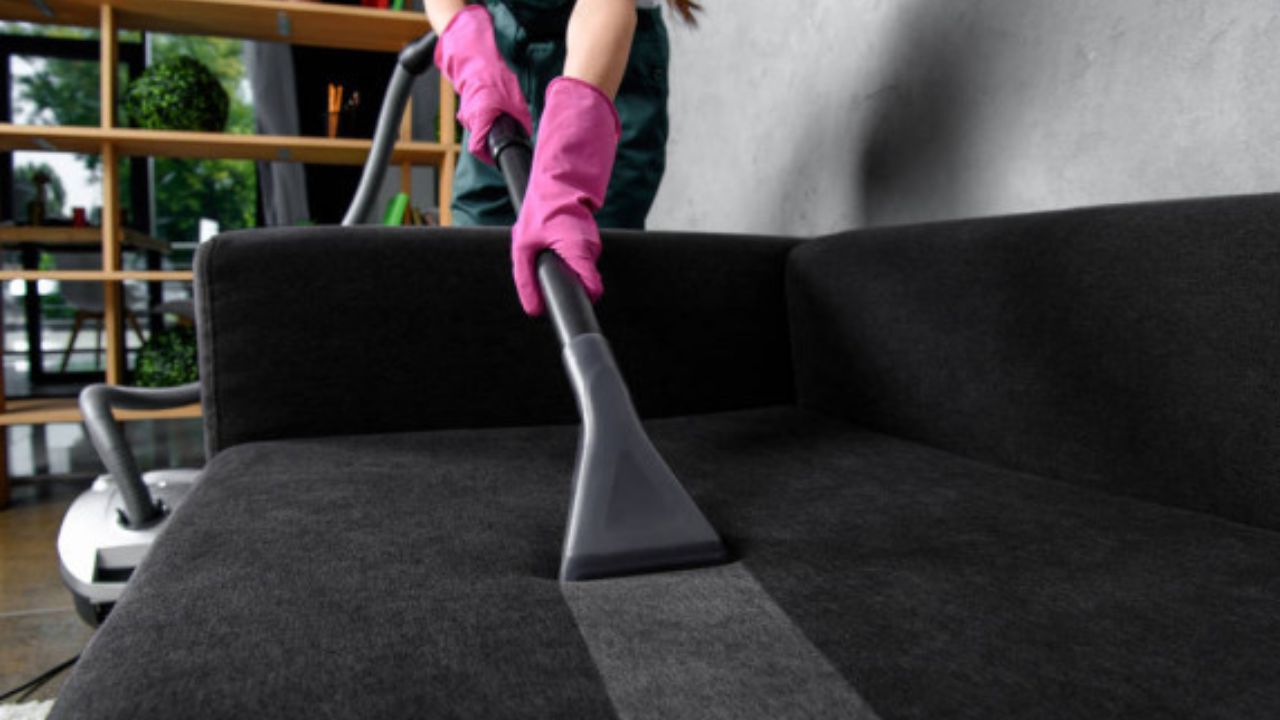
But you should do it the right way.
Here are safe practices:
Vacuum once a week
Blot spills instead of scrubbing
Use minimal moisture
Avoid harsh chemicals
Think of DIY as maintenance, not deep cleaning.
Why Professional Sofa Cleaning Is the Smarter Choice
DIY sofa cleaning is not always wrong. But it is often incomplete.
It gives short-term results but can lead to long-term problems.
What looks clean on the surface may still hold dirt, bacteria, and moisture inside.
That is why many homeowners end up calling professionals after trying DIY first.
If you want your sofa to last longer, stay fresh, and remain safe for your family, the smarter choice is to invest in proper cleaning.
Sometimes, saving money means not cutting corners. And your sofa deserves better than guesswork.
Comments
Log in or sign up to join the conversation.