

Do you know that the air inside your home can be two to five times more polluted than outdoor air? The Environmental Protection Agency confirmed this fact, and it should make every homeowner stop and think. Most people focus on outdoor pollution. Yet, the real threat sits quietly inside your living room, bedroom, and kitchen.
Spring cleaning is not just about making your home look neat. It is a real opportunity to reset the air quality inside your space. At Duct Squads, we have seen hundreds of homes where dust, mold spores, pet dander, and VOCs (volatile organic compounds) had built up silently for months. The good news is that a few focused spring cleaning hacks to improve indoor air quality can make a dramatic difference — fast.
So, are you ready to breathe easier this season? Let's get into it.
Why Indoor Air Quality Matters More in Spring
Spring brings fresh blooms outside, but it also pushes pollen, humidity, and mold spores inside your home. It is important to know that seasonal allergies get worse when indoor air is already compromised. According to the American Lung Association, poor indoor air quality is linked to respiratory illness, fatigue, and long-term health risks.
It is also worth noting that spring is when HVAC systems wake up from months of low use. Dust and debris settle deep inside ducts over winter. The moment you turn on your system, all of that circulates straight into your breathing space.
Spring Cleaning Hacks to Improve Indoor Air Quality at Home
Start With Your Air Ducts — The Hidden Source
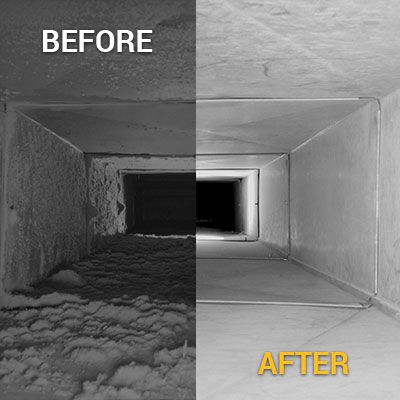
The air duct system is the lungs of your home. It pulls air in, conditions it, and pushes it back out. When the ducts are clogged with dust, pet hair, and mold residue, every room suffers.
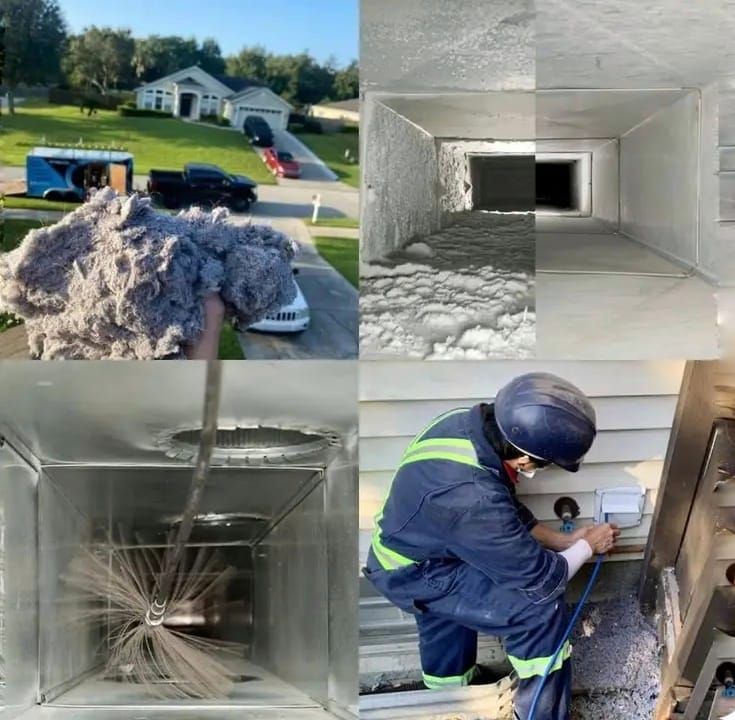
Duct Squads, our technicians regularly find years' worth of debris inside residential duct systems. It is not uncommon to find dust layers thick enough to block proper airflow. A professional duct cleaning inspection and cleaning removes these contaminants at the source.
It is a good practice to schedule a duct inspection at the start of every spring. The National Air Duct Cleaners Association (NADCA) recommends professional cleaning every three to five years — or sooner if you have pets, allergies, or recent construction.
Replace or Deep-Clean Your HVAC Filters
The air filter in your HVAC system is the first line of defense against indoor air pollutants. It is important to replace it at least every 90 days. For homes with pets or allergy sufferers, a monthly replacement is far better.
Do you know what MERV ratings mean? It stands for Minimum Efficiency Reporting Value. A filter with a MERV rating between 8 and 13 captures dust, pollen, mold spores, and even some bacteria. A cheap fiberglass filter at MERV 1–4 lets most of those particles pass straight through.
So, next time you walk into a hardware store, do not grab the cheapest filter on the shelf. A higher-quality filter is a small investment that pays off enormously in air quality.
Declutter to Reduce Dust Traps
Clutter is a silent enemy of clean indoor air. Stacked books, piled clothes, decorative items on shelves — all of these collect dust and provide surfaces where allergens accumulate over time.
It is helpful to think of spring cleaning as a subtraction exercise. The fewer objects you have on open surfaces, the fewer places dust can settle. Go room by room. Clear off shelves. Store items in closed boxes or drawers. The result is not just a tidier space — it is a measurably cleaner air environment.
A study published in the journal Environmental Health Perspectives found that dust accumulation in homes is one of the primary carriers of indoor chemical pollutants. The solution is simple — reduce the surfaces, reduce the dust load.
Deep-Clean Carpets and Upholstery
Carpets and upholstered furniture act like giant filters. They trap pollen, pet dander, dust mites, and mold spores. The problem is that ordinary vacuuming does not extract the deep-seated particles.
It is recommended to use a vacuum with a HEPA filter. HEPA stands for High-Efficiency Particulate Air, and it captures particles as small as 0.3 microns. Dust mites and many mold spores fall right in that range.
For upholstered furniture, a steam clean at the start of spring removes allergens that regular cleaning misses. According to the Asthma and Allergy Foundation of America, dust mites are a leading trigger for asthma attacks — and they live happily in your couch cushions.
Control Moisture to Stop Mold at the Root
Mold is one of the most damaging indoor air pollutants. It releases spores that trigger respiratory reactions, headaches, and skin irritation. The key fact to understand is that mold needs moisture to survive. Control the moisture, and you control the mold.
Spring is prime mold season. Humidity rises. Windows trap condensation. Bathrooms and basements become breeding grounds. A few smart steps can stop mold before it starts.
It is a good idea to keep indoor humidity between 30 and 50 percent. Use a dehumidifier in damp areas. Fix any leaks promptly — even a small drip under a sink can fuel significant mold growth within 24 to 48 hours.
Open Windows Strategically — Not Always the Answer
Fresh air feels great in spring. However, it is important to know that opening windows at the wrong time can actually worsen indoor air quality. Pollen counts peak in the morning, typically between 5 a.m. and 10 a.m.
The better strategy is to ventilate your home in the late afternoon or after a rain, when pollen counts drop. It is also smart to use exhaust fans in kitchens and bathrooms to push stale, humid air outside rather than letting it circulate indoors.
Use Houseplants as Natural Air Filters
NASA's Clean Air Study identified several houseplants that absorb indoor air pollutants, including formaldehyde, benzene, and xylene. Snake plants, peace lilies, and spider plants are among the top performers.
It is worth noting that plants alone cannot replace proper ventilation or duct cleaning. However, they are a valuable addition to a broader indoor air quality strategy. Place two or three medium-sized plants per 100 square feet for a noticeable impact.
How Spring Cleaning Hacks to Improve Indoor Air Quality Save You Money
It is easy to see clean air as a comfort issue. But the financial side matters too. Poor indoor air quality forces HVAC systems to work harder. A clogged duct system can increase energy bills by up to 25 percent, according to the U.S. Department of Energy. A dirty filter alone reduces airflow, which raises your monthly utility costs and shortens the life of your system.
At Duct Squads, our clients regularly report lower energy bills after a professional duct cleaning. The investment in one inspection can save hundreds of dollars over the course of a year.
People Also Ask
How often should I clean my air ducts for better indoor air quality?
It is recommended to clean air ducts every three to five years. Homes with pets, allergy sufferers, or recent renovations may benefit from more frequent cleanings. Duct Squads offers professional inspections to assess your specific situation.
What are the fastest spring cleaning hacks to improve indoor air quality?
The fastest results come from replacing your HVAC filter, vacuuming with a HEPA vacuum, and opening windows strategically to avoid high-pollen hours. For deeper results, a professional duct cleaning by Duct Squads addresses air quality at the source.
Can houseplants really improve indoor air quality?
Yes, but to a limited degree. NASA research confirms that certain plants absorb indoor pollutants. However, plants work best as a complement to proper ventilation, duct maintenance, and humidity control — not as a standalone fix.
What is the ideal indoor humidity level for clean air?
The EPA and most health authorities recommend keeping indoor humidity between 30 and 50 percent. Levels above 60 percent encourage mold growth and dust mite activity, both of which degrade indoor air quality.
Is professional duct cleaning worth it?
Absolutely. The U.S. Department of Energy confirms that dirty duct systems reduce HVAC efficiency by up to 25 percent. Professional cleaning removes built-up debris, improves airflow, and reduces the circulation of allergens and pollutants in your home.
Final Thoughts
Spring cleaning is a season-defining opportunity. It is not just about clean countertops and organized closets. The air your family breathes every single day is shaped by what happens inside your walls, ducts, and floors during these critical months.
The spring cleaning hacks to improve indoor air quality covered in this article are practical, proven, and within reach for any homeowner. Start with your air ducts. Replace your filters. Reduce clutter. Manage moisture. The results are real — and so is the relief.
At Duct Squads, we have made it our mission to help homeowners take control of their indoor environment. A single inspection can reveal what years of surface cleaning have missed. Do not wait for allergy season to peak before you act.
Comments
Log in or sign up to join the conversation.