

The global sports industry is undergoing a major digital transformation as fans increasingly turn to smartphones and connected platforms for live scores, streaming, fitness tracking, sports news, fantasy sports, and other interactive experiences. Sports applications have evolved from simple score-checking tools into comprehensive digital ecosystems that connect users with live events, personalized content, performance data, and entertainment.
According to TechSci Research report, The Global Sports App Market was valued at USD 5.82 billion in 2025 and is projected to reach USD 10.39 billion by 2031, expanding at a CAGR of 10.14% during 2026–2031. The market covers mobile applications that enable sports-related engagement, including live streaming, score updates, performance monitoring, fitness services, fantasy sports, and betting-related functionalities.
Increasing smartphone penetration, widespread high-speed connectivity, and the rollout of 5G networks are making real-time sports content more accessible. At the same time, consumers are moving toward on-demand digital entertainment, creating strong demand for mobile-first sports experiences.
Sports applications are also becoming more intelligent. Artificial intelligence, wearable integrations, personalized recommendations, real-time analytics, and interactive video features are helping platforms improve engagement and encourage users to spend more time within their ecosystems.
However, the industry also faces challenges related to data privacy, content licensing, regulatory compliance, and differences in sports betting laws across markets. Despite these issues, continued digitalization and changing consumer behavior are expected to sustain strong market growth.
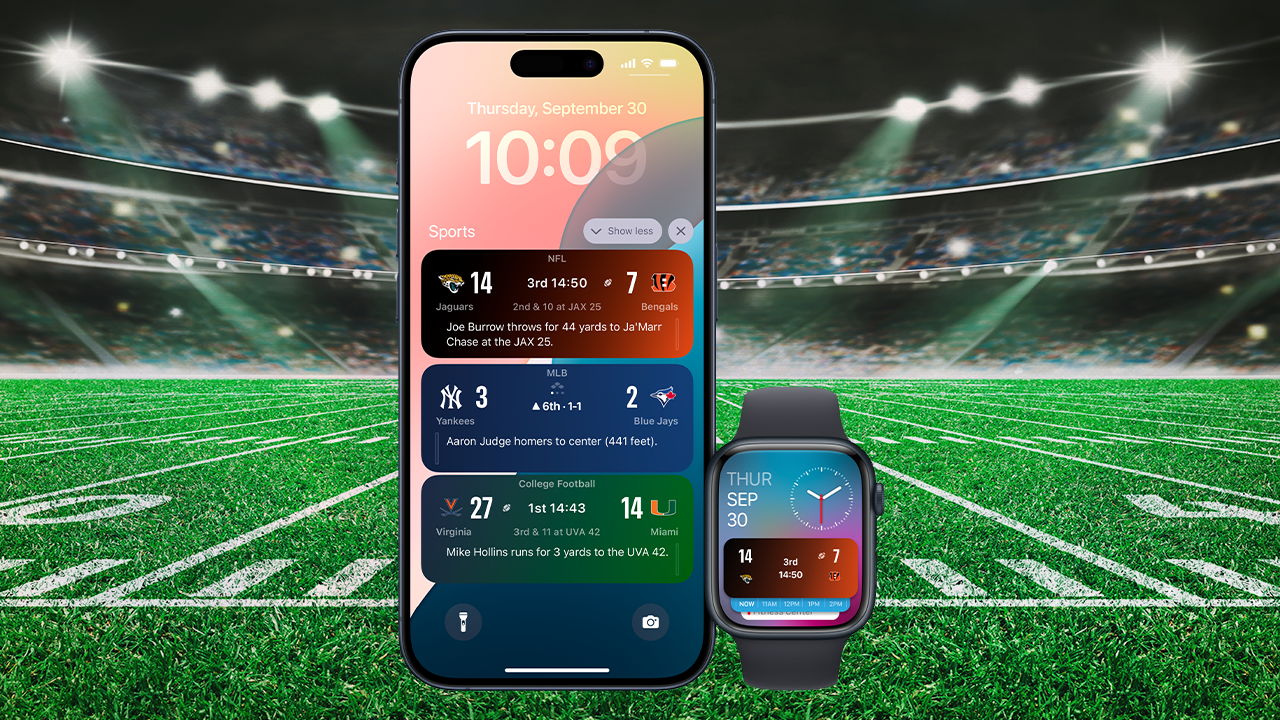
Industry Key Highlights
The global Sports App Market was valued at USD 5.82 billion in 2025.
The market is expected to reach USD 10.39 billion by 2031.
The industry is projected to grow at a 10.14% CAGR from 2026 to 2031.
Google Play Store represents the fastest-growing marketplace segment.
North America remains the largest regional market.
Rising smartphone adoption and high-speed internet connectivity are supporting mobile sports consumption.
Fantasy sports and online sports betting are increasing engagement with sports applications.
Live streaming and short-form sports content are becoming important drivers of app usage.
AI-powered coaching and personalized performance insights are emerging as major technology trends.
Integration with advanced wearable devices is expanding the functionality of sports applications.
Request For Sample Copy of Report For More Detailed Market insight
Main Drivers
Rising Smartphone and 5G Adoption
The increasing availability of smartphones and faster mobile networks is one of the strongest foundations for sports app growth. Consumers can now access scores, statistics, video content, match updates, and personalized sports information from virtually anywhere.
The expansion of 5G is particularly important because sports applications increasingly depend on fast data delivery and low-latency experiences. High-speed connectivity improves live streaming, real-time notifications, interactive features, and access to high-quality video content.
As mobile devices become the primary gateway to digital entertainment for many consumers, sports organizations and technology companies are prioritizing mobile applications as important channels for reaching fans.
Growth of Fantasy Sports and Online Betting
Fantasy sports and online sports betting are contributing significantly to sports app engagement. These services transform passive spectators into active participants by allowing users to follow statistics, create fantasy teams, monitor player performance, and interact with sporting events in real time.
Sports applications increasingly combine live scores, statistics, predictions, fantasy features, and betting-related functionality within a single platform. This creates a more comprehensive user experience while increasing the frequency with which consumers return to applications.
The strong connection between sports viewing and interactive participation is expected to remain a major growth catalyst, particularly in markets where digital betting and fantasy sports have developed rapidly.
Emerging Trends
AI-Powered Coaching and Training
Artificial intelligence is becoming an important differentiator in sports and fitness applications. Developers are using AI to analyze workout histories, athletic performance, training patterns, and user goals to provide personalized recommendations.
AI-powered coaching can suggest workout routines, identify performance trends, provide recovery guidance, and offer motivational feedback. This enables applications to move beyond simple activity tracking toward intelligent digital coaching.
Consumer interest in this technology is already significant. 46% of surveyed respondents in Strava's 2025 trend research said they would use AI as a smart coach for sports, demonstrating growing acceptance of AI-assisted training.
Integration With Wearable Devices
Sports applications are increasingly connected with smartwatches, fitness trackers, heart-rate monitors, and other wearable technologies. These integrations allow applications to collect more detailed information about exercise, recovery, strain, sleep, and performance.
As users participate in a wider range of physical activities, applications must support diverse forms of exercise rather than focusing exclusively on running or basic fitness tracking.
Strength-based activities represented 28.52% of all workouts logged through WHOOP in 2025, illustrating the growing need for sports platforms to accommodate different training categories and performance metrics.
Short-Form and Interactive Sports Content
Short-form video is increasingly important for sports engagement. Highlights, behind-the-scenes footage, athlete content, interviews, and quick match updates enable fans to remain connected even when they do not have time to watch an entire event.
Sports platforms are therefore experimenting with interactive highlights, personalized video feeds, social features, and content designed specifically for mobile viewing.
Greater Platform Personalization
Sports applications are increasingly allowing users to select favorite teams, leagues, players, and competitions. This helps users receive only the information most relevant to them.
Personalized dashboards and notification systems can improve the overall user experience while increasing the likelihood of repeat visits.
Real-World Use Cases
Live Match Tracking
Sports applications provide real-time scores, player statistics, match timelines, standings, and event notifications. These services allow fans to follow games even when they cannot watch them live.
Sports Streaming
Mobile applications have become important distribution channels for live sports. Users can access matches, tournaments, highlights, replays, and additional video content through dedicated platforms.
Fitness and Performance Tracking
Fitness-focused sports apps allow users to record workouts, monitor progress, analyze performance, and establish training goals. Integration with wearables further enhances the amount and quality of available data.
Fantasy Sports
Fantasy applications encourage users to build virtual teams using real-world athletes and compete based on actual player performance. This creates an additional layer of engagement around sporting events.
Sports Betting
In markets where it is legally permitted, sports applications can provide betting-related services alongside match information and live statistics. The integration of these functionalities can increase user engagement but also creates additional regulatory and compliance requirements.
Digital Fan Engagement
Sports organizations use applications to communicate directly with fans through personalized news, notifications, exclusive content, merchandise opportunities, and event information. This provides teams and leagues with additional channels for building long-term relationships with their audiences.
Competitive Analysis
NBC Universal
Warner Media
PENN Entertainment
ESPN
JioCinema
Sky UK
SuperSport
LiveScore
beIN SPORTS
DAZN
Fubo TV
Segmentation
The Global Sports App Market is segmented based on Marketplace and Region.
By Marketplace
Google Play Store
Apple iOS Store
The Google Play Store is the fastest-growing marketplace segment. Its growth is supported by the extensive global presence of Android smartphones, particularly in price-sensitive and emerging markets.
The broad availability of Android devices allows sports applications to reach a large and diverse user base. The platform also supports a wide variety of applications covering live sports, fitness, streaming, statistics, and fantasy sports.
The Apple iOS Store remains an important marketplace, particularly among users with higher-value devices and strong engagement with premium digital services.
By Region
The global market is divided into:
North America
Europe
Asia Pacific
South America
Middle East & Africa
North America held the largest market position in 2025. Strong smartphone penetration, high-speed internet availability, established professional sports leagues, and growing digital sports consumption support the region's leadership.
FAQ
1. What is the global Sports App Market size?
The global Sports App Market was valued at USD 5.82 billion in 2025 and is projected to reach USD 10.39 billion by 2031, growing at a 10.14% CAGR during 2026–2031.
2. What is driving the growth of the Sports App Market?
Major growth factors include rising smartphone penetration, 5G connectivity, increasing demand for live sports streaming, fantasy sports, online betting, personalized digital content, wearable integration, and AI-powered sports and fitness features.
3. Which marketplace is growing fastest in the Sports App Market?
The Google Play Store is the fastest-growing marketplace segment, supported by the widespread global adoption of Android smartphones and the strong availability of affordable devices across emerging markets.
4. Which region dominates the global Sports App Market?
North America is the largest regional market, supported by high smartphone and internet penetration, strong professional sports ecosystems, increasing digital sports consumption, and the expansion of regulated online sports betting in several U.S. jurisdictions.
Contact US:
Techsci Research LLC
420 Lexington Avenue, Suite 300,
New York, United States- 10170
Tel: +13322586602
Email: [email protected]
Comments
Log in or sign up to join the conversation.