
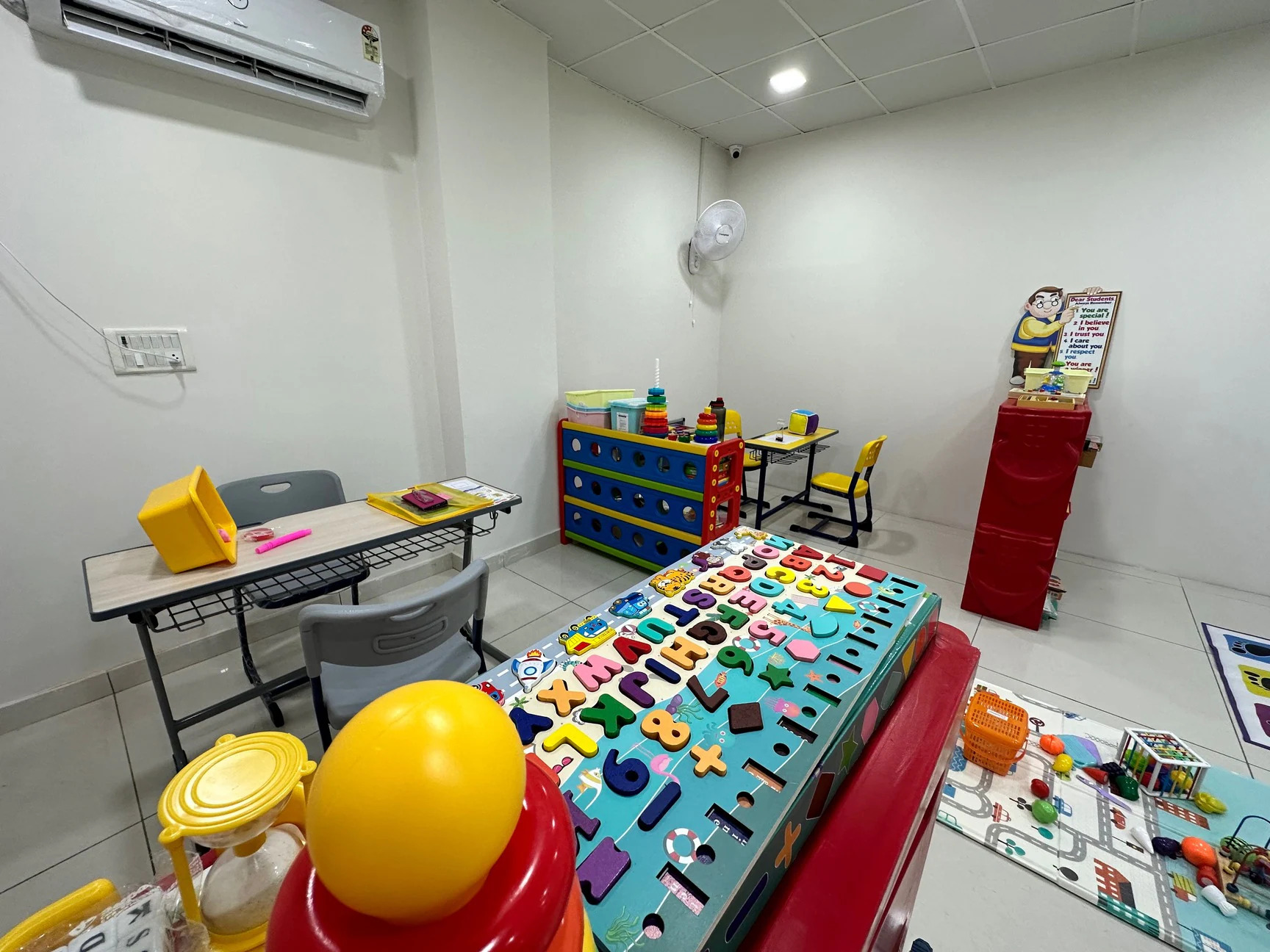
Families often feel it when a child needs a different learning rhythm, even before anyone says it out loud. It can show up as unfinished tasks, difficulty following directions, emotional overload, or even a pause or hesitation during group activity. Those moments feel confusing, mostly because a child can be sharp, yet still struggle with routine expectations, like attendance, transitions, and timing. Special school in Dwarka can offer a more thoughtful setting where learning is shaped around real needs rather than fixed classroom speed. For many households, that kind of structure brings relief. In this article, we discuss how guided learning supports families, reduces daily confusion, and creates a more practical path for children who need individualised care.
A supportive setting can change daily learning at home
When a child receives the right kind of educational support, the effect often reaches far beyond the classroom. Mornings become smoother, homework causes fewer battles, and communication around routines starts feeling less strained. Many parents do not want perfection. They simply want steady progress that feels possible. A school environment built around individual pace can make that happen. It gives children room to absorb directions, repeat tasks, and develop confidence without being rushed. Over time, learning feels less like a daily struggle and more like a process with shape, direction, and hope.
Emotional understanding matters as much as academics
Children do not experience learning as an isolated task. Feelings shape concentration, participation, memory, and willingness to try again after mistakes. A child who appears inattentive may actually be anxious, overwhelmed, or unsure how to respond. That is why emotional insight matters so much in guided education. In many cases, support from a child psychologist in Dwarka can help families understand the behaviour behind the behaviour. This changes the conversation completely. Instead of asking why a child is not coping, parents begin asking what the child is finding difficult. That small shift creates more patience, better planning, and a gentler learning environment where progress becomes realistic rather than forced.
Individual planning helps children move with less fear
Some children need extra time to process verbal instructions. Others need visual support, repetition, or short activity cycles before they can stay engaged. A one-size classroom rarely fits these differences well. Individual planning matters because it turns vague concerns into practical support. When goals are broken into manageable steps, children often respond with better focus and lower resistance. Families also benefit because they can see what is being worked on and why it matters. Many people search for the best special school in Dwarkabecause they want exactly this balance of care and clarity. They are not only looking for safety. They are looking for meaningful development that can be tracked.
Progress grows faster when parents are part of the process
The strongest results usually come when families are included instead of kept at a distance. A child may practice one skill during sessions, but real understanding deepens through repetition at home, in the car, during meals, or while getting ready for bed. That is why guidance for caregivers is so valuable. It gives them tools they can actually use in ordinary moments. A teacher may notice sensory overload during transitions. A parent may notice the same pattern during dressing time. When both sides share observations, support becomes more precise. This teamwork reduces confusion and helps children experience similar responses across environments, which often leads to stronger trust and more stable routines.
The right environment makes confidence feel possible again
A calm learning atmosphere can quietly transform how a child sees themselves. In a more supportive setting, that defensiveness slowly softens. Children start attempting activities, responding to prompts, and staying present for longer periods. The change may look small at first, though it matters deeply. Confidence is often built through repeated success with manageable expectations. It creates a space where effort is noticed, progress is respected, and children are allowed to grow without the constant feeling that they are falling behind everyone else.
Conclusion
Guided learning becomes more effective for families when support is practical, personalised, and emotionally aware. Children often do better when instruction matches their pace, strengths, and challenges instead of forcing them into a pattern that does not fit. Families benefit too, because clearer routines, better understanding, and shared strategies reduce confusion at home and make progress feel more reachable over time.
For parents looking for a place where developmental care feels coordinated rather than scattered, Babblz India seems to offer that wider support system with thoughtful planning, family involvement, and child-focused guidance. The way it brings education, therapy, and observation together can make the journey feel less overwhelming and far more grounded for families trying to help a child move forward.
Frequently Asked Questions
Question: How can parents tell that a different learning setup may help?
Answer: Signs may include frequent meltdowns during study time, poor response to instructions, avoidance of group activity, or strong difficulty with routine transitions. Some children also seem capable in one moment and deeply stuck in another. A proper evaluation helps families understand whether these patterns point toward a need for structured educational support.
Question: What should families expect during the beginning stage?
Answer: The early phase usually involves observation, discussion with caregivers, and identification of developmental strengths and gaps. This stage matters because it shapes the support plan. Parents may receive suggestions for daily routines, communication style, and behaviour responses. A thoughtful beginning often prevents unrealistic expectations and helps everyone work with more clarity.
Question: Can this kind of support help beyond academics?
Answer: Yes, it often supports much more than lessons. A lot of children improve in communication, emotional management, being involved, self-help routines and that inner confidence they show during regular everyday interaction. Those improvements can spill into home life, relationships with friends, and even future readiness.
Comments
Log in or sign up to join the conversation.